
Table of Contents
ToggleUnderstanding Employment Contract Translation
Translating an employment contract is a critical task that requires precision and attention to detail. Whether for immigration purposes or international employment, ensuring that the translation is accurate is essential. This guide will walk you through the necessary steps to translate an employment contract correctly, focusing on format, seals, and important notes.
Why Accurate Translation Matters
Employment contracts often contain legal jargon, specific terms, and conditions that must be accurately conveyed in the target language. An inaccurate translation can lead to misunderstandings, legal disputes, or even the invalidation of the contract. Therefore, understanding how to translate a employment contract correctly is paramount.
Key Elements of Employment Contract Translation
1. Format and Layout
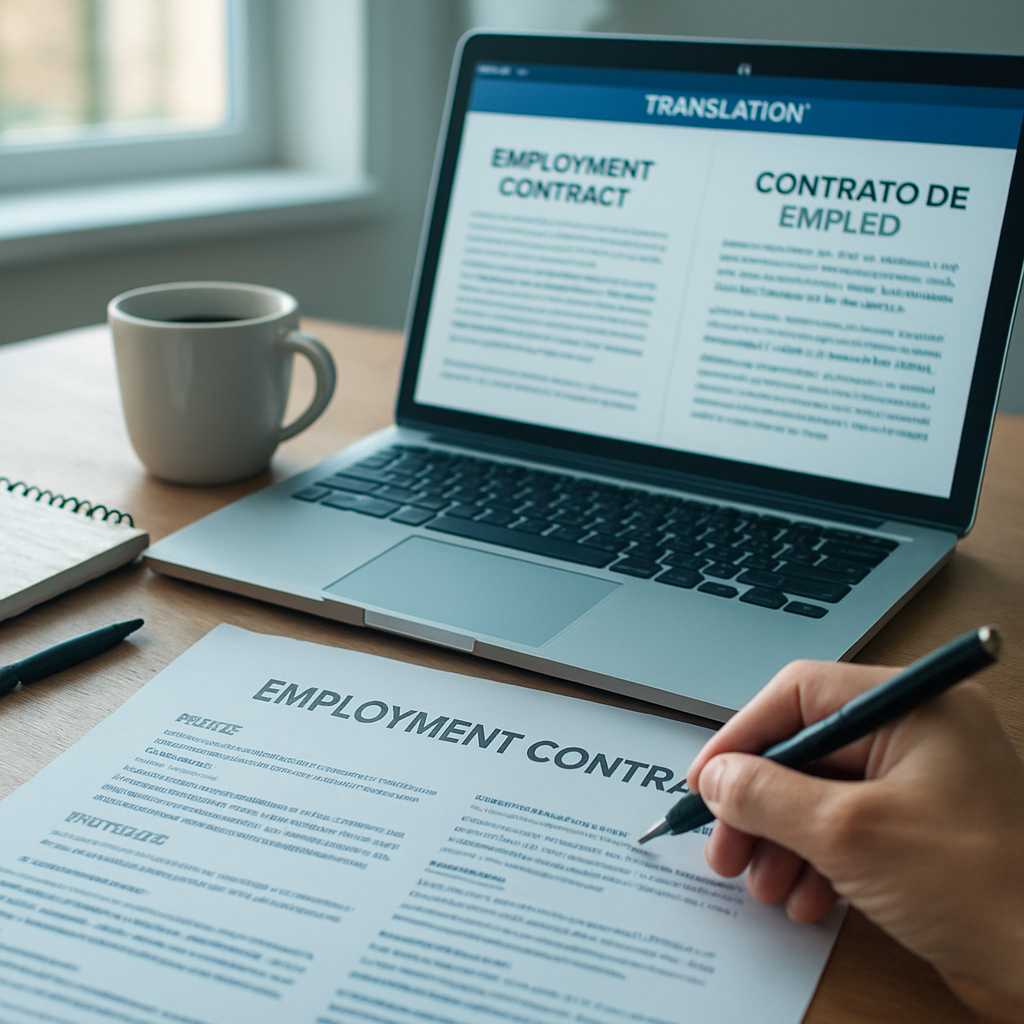
The format of the translated document should mirror the original as closely as possible. This includes:
- Headings and Subheadings: Maintain the same hierarchy and style as the original.
- Paragraph Structure: Keep the same number of paragraphs and their order.
- Font and Size: Use a similar font and size to ensure readability.
2. Seals and Stamps
Many employment contracts include official seals or stamps. When translating, it is crucial to:
- Translate the Text: Ensure that any text on seals is accurately translated.
- Include Images: If possible, include images of the seals in the translation to maintain authenticity.
3. Avoiding Omissions
Omitting any part of the contract can lead to significant issues. To avoid this:
- Thorough Review: Always review the original document carefully before translating.
- Check for Completeness: Ensure that every section of the contract is translated.
Steps to Translate an Employment Contract Correctly
Step 1: Gather Necessary Documents
Before starting the translation, gather all necessary documents, including the original employment contract and any related materials.
Step 2: Choose a Qualified Translator
It is essential to select a translator who is not only fluent in both languages but also familiar with legal terminology. Consider using certified translation services for accuracy.
Step 3: Translate the Document
Begin the translation, ensuring to follow the format and layout guidelines mentioned earlier. Pay special attention to legal terms and phrases.
Step 4: Review and Edit
After the initial translation, review the document for any errors or omissions. It may be beneficial to have another qualified translator review the work.
Step 5: Certification
For legal purposes, the translated document may need to be certified. This involves providing a signed statement from the translator attesting to the accuracy of the translation.
FAQs About Employment Contract Translation
1. What is an employment contract translation example?
An employment contract translation example includes a translated document that maintains the original’s format, terminology, and legal implications.
2. How do I translate stamps and seals?
To translate stamps and seals, ensure that you accurately translate any text and include images of the seals in the translated document.
3. What are the complete translation standards?
Complete translation standards require that the translation be accurate, complete, and formatted similarly to the original document.
4. What layout tips should I follow?
Maintain the original document’s structure, use consistent fonts, and ensure that headings and subheadings are clearly defined.
5. How can I avoid omissions in translation?
To avoid omissions, review the original document thoroughly and ensure that every section is translated without exception.
Conclusion
Translating an employment contract correctly is vital for ensuring legal compliance and clarity. By following the guidelines outlined in this article, you can achieve an accurate and professional translation. For more information on certified translation services, visit our certified translation example page.
