
If you’re submitting documents for immigration, legal, or official use, one question comes up repeatedly: who can translate a marriage certificate?
The answer is more specific than most people expect—and getting it wrong can lead to delays, rejections, or even application denial. Whether you’re applying for immigration, visas, or legal recognition, understanding who is qualified to translate your marriage certificate is essential.
This guide explains exactly who can translate your document, what requirements must be met, and how to ensure your translation is accepted the first time.
What Does a Marriage Certificate Translation Involve?
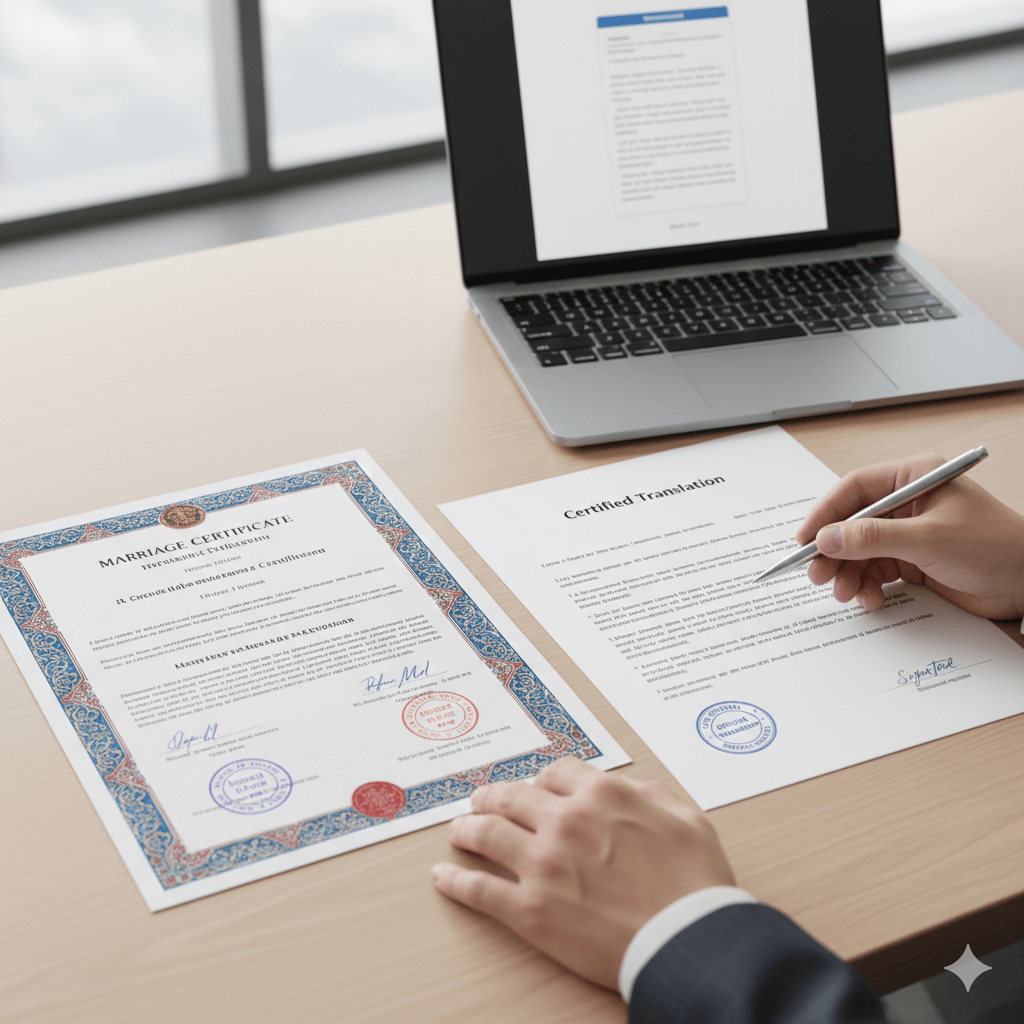
A marriage certificate translation is not just converting words from one language to another. It is a complete, accurate, and officially formatted translation that reflects:
- Names exactly as written
- Dates and locations
- Stamps, seals, and signatures
- Marginal notes or annotations
- Formatting structure of the original document
In most cases, the translation must also include a Certificate of Accuracy signed by the translator.
Who Can Translate a Marriage Certificate?
1. A Professional Translator (Recommended)
The safest and most widely accepted option is a professional translator or translation agency.
A qualified translator must:
- Be fluent in both the source and target languages
- Provide a complete and accurate translation
- Include a signed Certificate of Accuracy
- Not be involved in the application personally
This is the most reliable choice for immigration and legal submissions.
2. Any Competent Bilingual Individual (With Conditions)
In some cases, authorities allow any fluent individual to translate the document—as long as they meet strict conditions:
- They must be fully fluent in both languages
- They must certify the translation is accurate
- They must sign a statement of competence
However, this option carries risk. Even minor formatting or terminology mistakes can result in rejection.
3. A Certified Translation Provider
For official processes such as immigration, it is strongly advised to use a certified translation service.
These providers ensure:
- Compliance with official requirements
- Proper formatting and terminology
- Inclusion of certification statements
- Acceptance by authorities
This is especially important for applications involving immigration authorities.
Who Cannot Translate a Marriage Certificate?
Understanding who cannot translate your document is just as important.
You Cannot Translate Your Own Document
Even if you are fluent in both languages, you cannot translate your own marriage certificate for official use.
Authorities require an independent translator to ensure objectivity and accuracy.
Family Members Are Usually Not Accepted
Translations completed by:
- Spouses
- Parents
- Siblings
- Close relatives
are often rejected, especially in immigration applications, due to conflict of interest.
USCIS Requirements for Marriage Certificate Translation
If you are submitting documents to immigration authorities, the requirements are strict.
A valid translation must include:
- A complete English translation of the document
- A signed certification statement
- Translator’s name, signature, and date
The certification typically states:
“I certify that I am competent to translate and that the translation is complete and accurate.”
Failure to include this statement can lead to delays or rejection.

What Makes a Translation “Certified”?
A certified translation includes:
- Word-for-word accuracy (no summaries)
- Replication of layout and structure
- Translation of all visible content (including stamps and seals)
- A signed Certificate of Accuracy
It does not necessarily require notarisation unless specifically requested.
Common Mistakes That Cause Rejection
Many applications are delayed due to avoidable errors.
1. Missing Certification Statement
Without a signed declaration, the translation is invalid.
2. Incomplete Translation
Leaving out stamps, notes, or handwritten elements can lead to rejection.
3. Incorrect Names or Dates
Even small discrepancies can cause serious issues.
4. Using Unqualified Translators
Translations done by friends or relatives are often refused.
Example Scenario
Case: A couple submits a marriage certificate translated by a bilingual friend.
Outcome:
- Translation lacks proper certification
- Formatting does not match original
- Application is delayed
Solution:
A professionally certified translation resolves the issue and is accepted immediately.
Why Professional Translation Is the Best Choice
Using a professional service ensures:
- Accuracy and completeness
- Compliance with official requirements
- Fast turnaround times
- Reduced risk of rejection
For time-sensitive applications, this can make a significant difference.
How to Get Your Marriage Certificate Translated
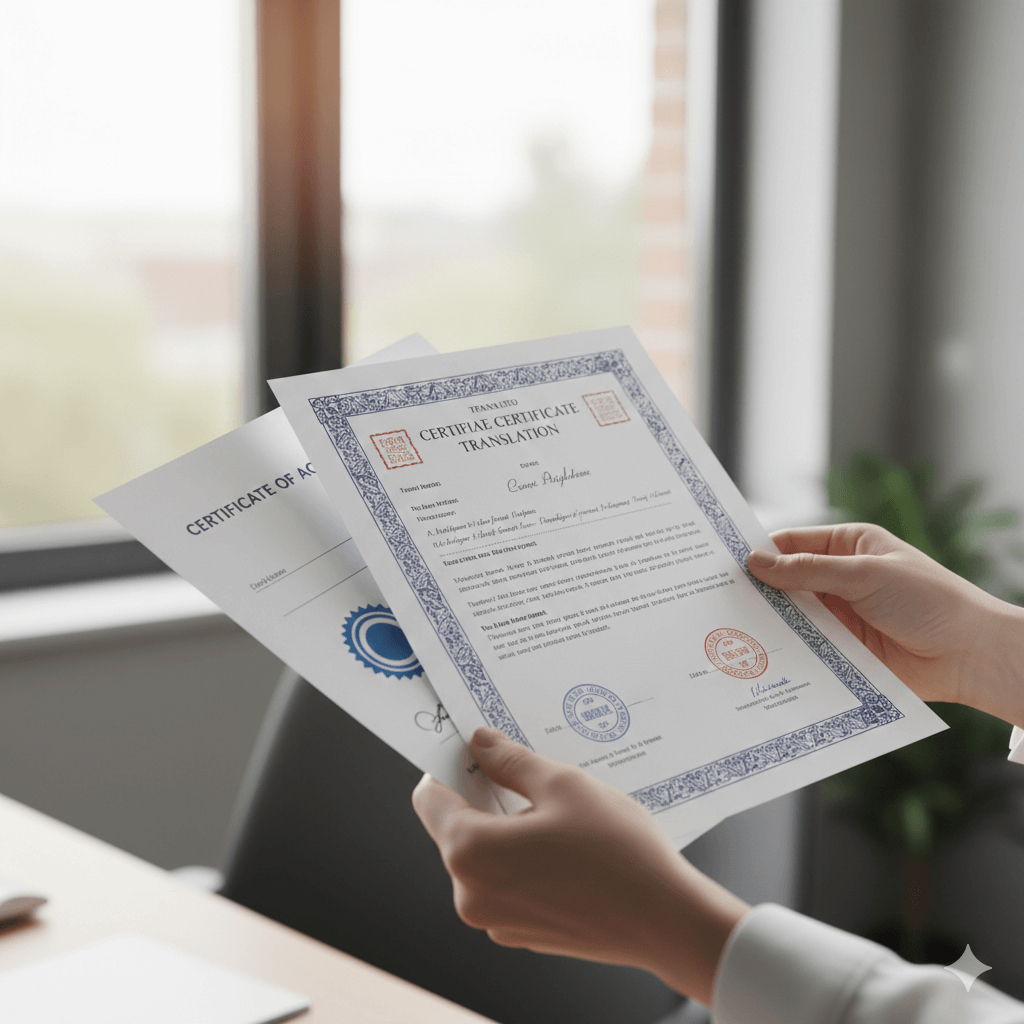
The process is simple:
- Upload a clear scan or photo of your certificate
- Receive a quote and turnaround time
- Translation is completed by a qualified expert
- Receive a certified translation ready for submission
Most services can deliver within 24–48 hours.
Ready to Translate Your Marriage Certificate?
If you want your translation accepted without delays, it’s best to work with experienced professionals who understand official requirements.
Upload your document today and receive a certified translation that’s accurate, compliant, and ready for submission.
FAQ
Who is legally allowed to translate a marriage certificate?
Any competent bilingual individual can translate it, but for official purposes, a professional translator with certification is strongly recommended.
Can I translate my own marriage certificate?
No, self-translations are not accepted for official use, especially in immigration applications.
Does a marriage certificate translation need to be notarised?
Not always. Most authorities require certification, not notarisation, unless specifically requested.
What is a Certificate of Accuracy?
It is a signed statement from the translator confirming the translation is complete and accurate.
How long does it take to translate a marriage certificate?
Most certified translations are completed within 24–48 hours, depending on complexity.
Will my translation be accepted by immigration authorities?
If it includes a complete translation and proper certification, it will typically be accepted.
