
Table of Contents
ToggleUnderstanding the Importance of Certified Translation of Divorce Decree for U.S. Immigration
When navigating the complexities of U.S. immigration, one critical document that may require translation is the divorce decree. A certified translation of divorce decree for US immigration is essential for individuals seeking to establish their marital status or resolve any legal matters related to their immigration process. This article delves into the requirements, processes, and best practices for obtaining a certified translation of your divorce decree.
What is a Divorce Decree?
A divorce decree is a legal document issued by a court that finalizes the dissolution of a marriage. It outlines the terms of the divorce, including custody arrangements, division of assets, and any alimony obligations. For individuals applying for immigration benefits, presenting a translated divorce decree can be crucial in demonstrating their marital history.
Why is Certified Translation Necessary?
USCIS mandates that all documents submitted in support of immigration applications must be in English. Therefore, if your divorce decree is in another language, a certified translation is necessary. A certified translation ensures that the translation is accurate and complete, meeting the standards set by USCIS.
Divorce Decree Translation Requirements
- Accuracy: The translation must be a verbatim representation of the original document.
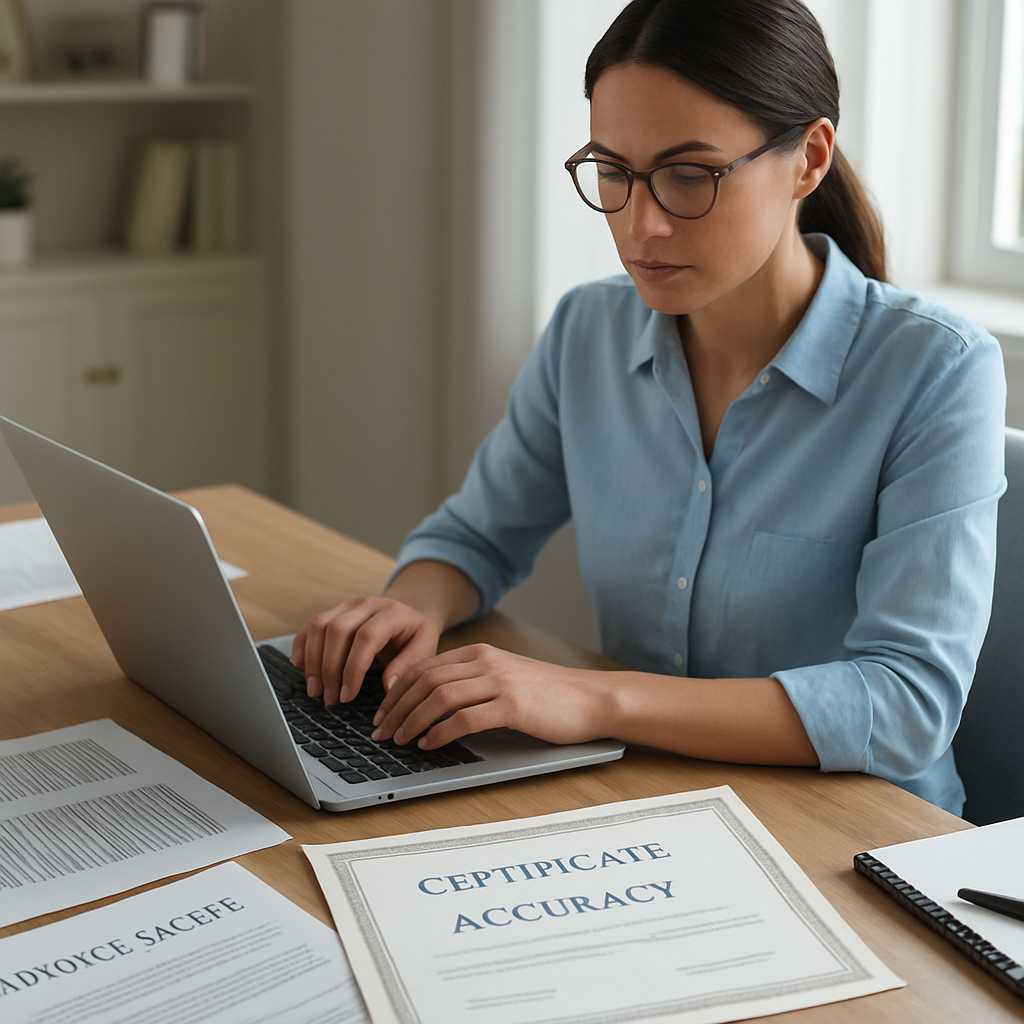
- Certification: The translator must provide a certificate of accuracy, affirming that the translation is complete and accurate.
- Formatting: The translated document should closely resemble the original in terms of layout and formatting.
Obtaining a Certified Translation
To obtain a certified translation of your divorce decree, follow these steps:
- Choose a Reputable Translation Service: Select a service that specializes in certified translations for immigration purposes. Look for reviews and testimonials to ensure credibility.
- Submit Your Document: Provide a clear copy of your divorce decree to the translation service.
- Request Certification: Ensure that the translation service includes a certificate of accuracy with your translated document.
- Review and Confirm: Once you receive the translation, review it for accuracy before submission to USCIS.
USCIS Submission Tips
When submitting your certified translation of divorce decree for US immigration, keep the following tips in mind:
- Include both the original document and the translated version in your application package.
- Ensure that the certificate of accuracy is signed and dated by the translator.
- Check for any specific formatting requirements outlined by USCIS.
Fast Turnaround for Certified Translations
For those on tight deadlines, many translation services offer expedited options. Be sure to inquire about turnaround times when selecting a provider. A fast turnaround can be crucial, especially if you are nearing a filing deadline.
Formatting Checklist for Certified Translations
To ensure your certified translation meets USCIS standards, consider the following formatting checklist:
- Document should be typed, not handwritten.
- Maintain original document structure (headers, sections, etc.).
- Include page numbers if applicable.
- Use clear, legible fonts.
Frequently Asked Questions
1. Do I need a certified translation of my divorce decree for USCIS?
Yes, if your divorce decree is in a language other than English, you will need a certified translation for USCIS submissions.
2. What is a certificate of accuracy?
A certificate of accuracy is a statement provided by the translator affirming that the translation is complete and accurate.
3. How long does it take to get a certified translation?
Turnaround times vary by service, but many offer expedited options for urgent requests.
4. Can I translate my divorce decree myself?
No, USCIS requires that translations be performed by a qualified translator and accompanied by a certificate of accuracy.
5. What happens if my translation is not accepted by USCIS?
If your translation is not accepted, it may lead to delays in your application process. Always ensure accuracy and compliance with USCIS requirements.
