
Table of Contents
ToggleUnderstanding the I-129F Petition
The I-129F, or Fiancé(e) Visa Petition, is a crucial step for U.S. citizens wishing to bring their foreign fiancé(e) to the United States. This petition allows the foreign national to apply for a K-1 visa, enabling them to enter the U.S. for marriage. However, submitting the I-129F involves more than just filling out forms; it requires careful attention to supporting documents, especially when those documents are in a foreign language.
Which Documents Need Translation for I-129F?
When preparing your I-129F petition, it is essential to ensure that all supporting documents are translated into English if they are originally in another language. Here’s a comprehensive list of documents that typically require translation:
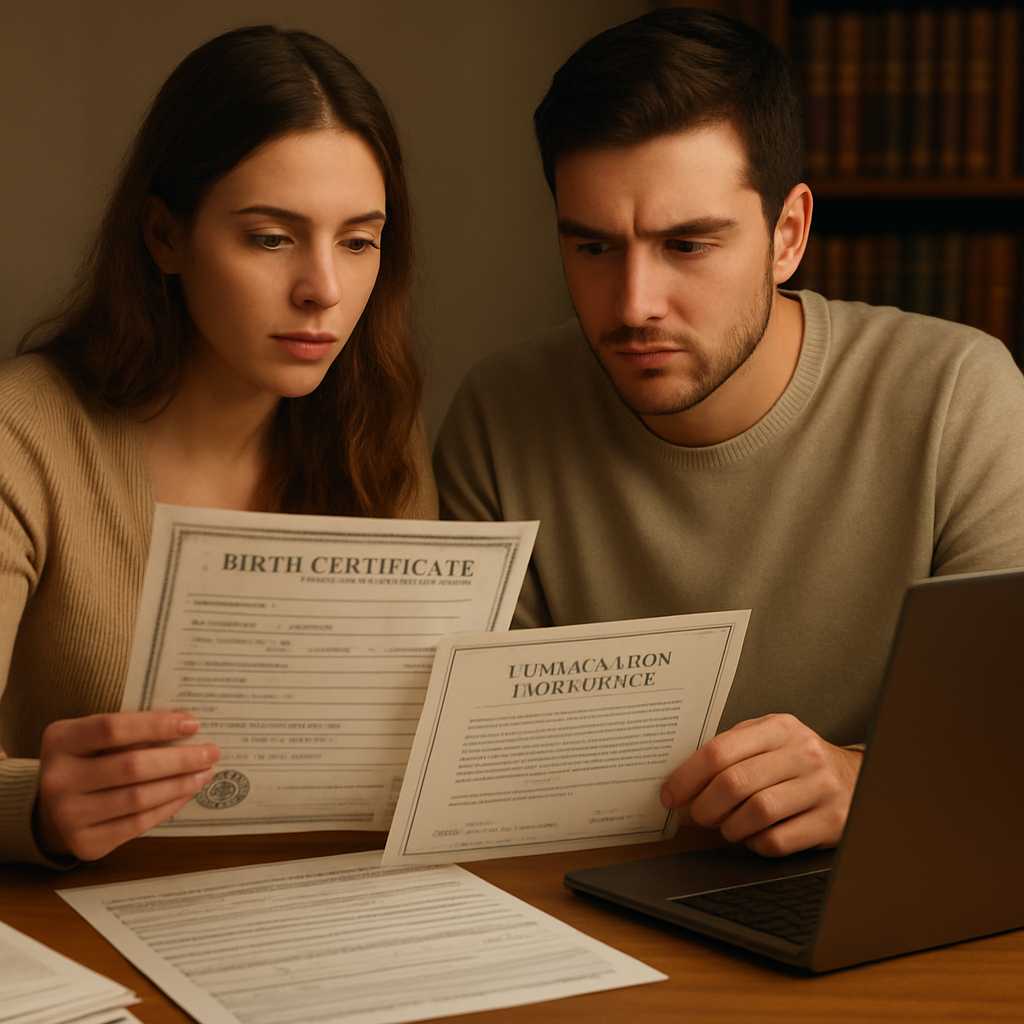
- Birth Certificates: Both the U.S. citizen and the foreign fiancé(e) must provide their birth certificates. If the original is not in English, a certified translation is necessary. Learn more about birth certificate translation.
- Marriage Certificates: If either party has been previously married, the marriage certificate must be translated. This includes divorce decrees or annulments. Find out more about marriage certificate translation.
- Police Clearance Certificates: These documents, which verify the applicant’s criminal history, must be translated if issued in a foreign language.
- Passport Copies: While not always required, if you include copies of passports, ensure any non-English sections are translated.
- Evidence of Relationship: Documents such as photographs, chat logs, and travel itineraries may need translation if they contain non-English text.
Certified Translation Requirements
USCIS mandates that all translations submitted with the I-129F petition must be certified. This means the translator must provide a signed statement attesting to the accuracy of the translation and their qualifications. Here are some key points about certified translations:
- The translation must be complete and accurate.
- The translator must be fluent in both the source and target languages.
- The certification statement should include the translator’s name, signature, and date of translation.
Submission Tips for I-129F
To ensure a smooth submission process, consider the following tips:
- Double-check that all documents are translated and certified before submission.
- Keep copies of all documents for your records.
- Use a reputable translation service to avoid common pitfalls that can lead to requests for evidence (RFEs).
- Familiarize yourself with the essential translation checklist for Form I-129F to ensure compliance.
FAQs
1. Do I need to translate my fiancé(e)’s birth certificate for the I-129F?
Yes, if the birth certificate is not in English, it must be translated and certified.
2. What happens if I submit untranslated documents?
USCIS may issue a request for evidence (RFE), delaying your petition.
3. Can I translate the documents myself?
No, USCIS requires that translations be done by a qualified translator and certified.
4. How do I find a certified translator?
You can find certified translation services through reputable agencies or professional associations.
5. Is there a specific format for the certification statement?
Yes, the certification statement must include the translator’s qualifications, signature, and date.
Conclusion
Submitting a complete and accurate I-129F petition is vital for a successful fiancé(e) visa application. Ensuring that all necessary documents are translated and certified will help avoid delays and complications. For professional translation services, contact us today to ensure your documents meet USCIS requirements.
