
Table of Contents
ToggleUnderstanding the I-730 Refugee/Asylee Relative Petition
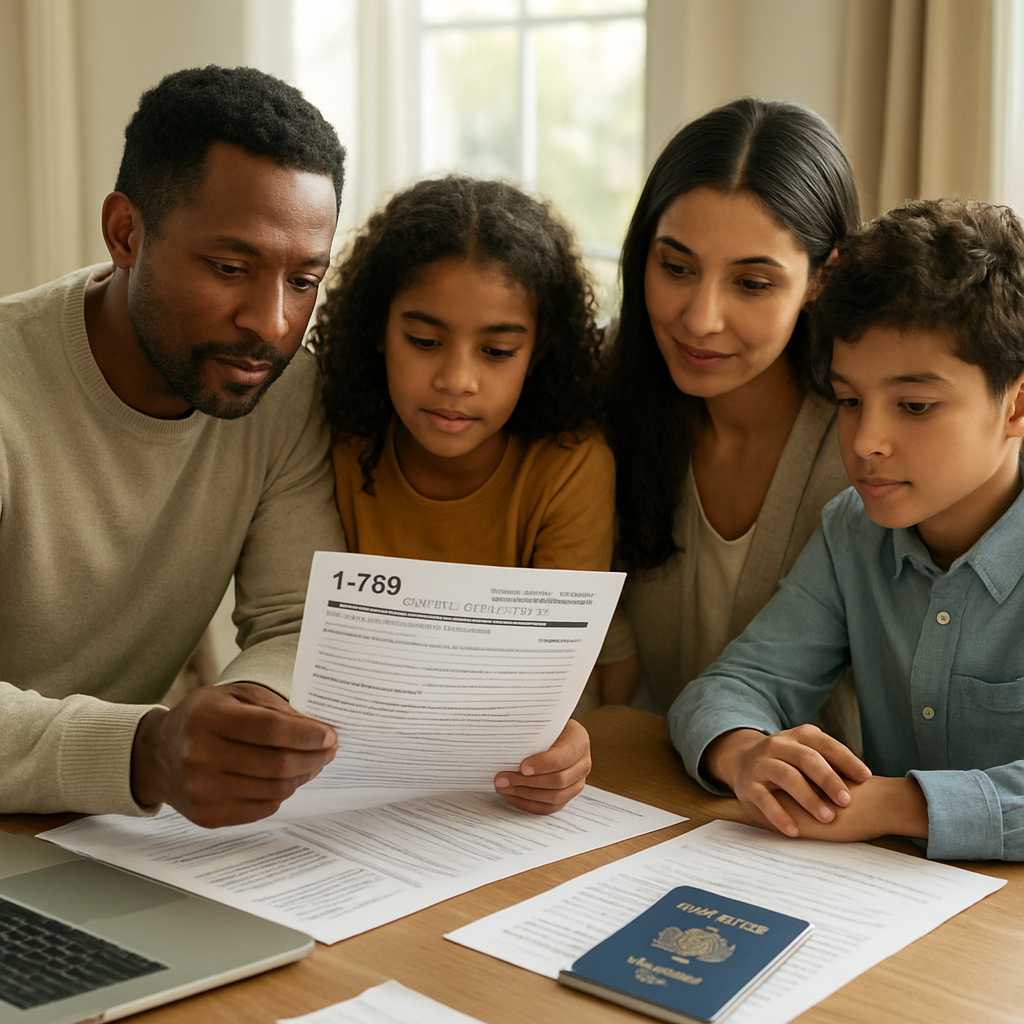
The I-730 Refugee/Asylee Relative Petition is a crucial form for individuals seeking to bring their family members to the United States after being granted asylum or refugee status. This petition allows U.S. asylees and refugees to reunite with their spouses and children. However, submitting the I-730 petition requires careful attention to detail, particularly regarding documentation.
Which Documents Need Translation for I-730?
When filing an I-730 petition, it is essential to provide supporting documents that may not be in English. The following documents typically require translation:
- Birth Certificates: Required for proving relationships, especially for children.
- Marriage Certificates: Necessary to establish marital status for spouses.
- Divorce Decrees: Important for individuals who have been previously married.
- Adoption Papers: Required for adopted children to verify legal relationships.
- Identification Documents: Such as passports or national IDs that confirm identity.
- Legal Documents: Any court orders or legal notices relevant to the petition.
Importance of Certified Translations
USCIS mandates that all foreign language documents submitted with the I-730 petition must be accompanied by certified translations. A certified translation ensures that the translation is accurate and complete, and it must include a signed statement from the translator or translation service attesting to their qualifications.
Submission Tips for I-730 Petitions
To ensure a smooth submission process, consider the following tips:
- Check the USCIS Guidelines: Always refer to the latest USCIS instructions for the I-730 petition.
- Use Professional Translation Services: Opt for certified translation services to avoid delays.
- Keep Copies: Retain copies of all documents and translations submitted.
- Organize Your Packet: Ensure that your petition is well-organized and clearly labeled.
Common Questions About I-730 Document Translation
1. Do all documents need to be translated for I-730?
Yes, any document that is not in English must be translated and certified.
2. Can I translate the documents myself?
No, USCIS requires that translations be performed by a qualified translator or translation service.
3. What if my documents are in multiple languages?
Each document must be translated into English, regardless of the number of languages involved.
4. How do I find a certified translator?
Look for translation services that specialize in immigration documents and have a track record of working with USCIS.
5. Are there specific formatting requirements for translations?
Yes, translations should be formatted clearly and include the translator’s certification statement.
Conclusion
Submitting an I-730 petition involves careful preparation, especially regarding document translation. Ensuring that all necessary documents are accurately translated and certified can significantly impact the success of your petition. For professional translation services, consider USCIS Official Translation, where we specialize in immigration-related translations.
Call to Action
Ready to get your documents translated? Contact us today for reliable and certified translation services tailored to your immigration needs.
