
Table of Contents
ToggleUnderstanding Form I-751
Form I-751, officially known as the Petition to Remove Conditions on Residence, is a crucial document for individuals who obtained conditional resident status through marriage. This form is essential for those looking to transition to permanent resident status. The process can be complex, and ensuring that all required documents are accurately translated is vital to avoid delays or denials.
Why Accurate Translation Matters
When filing Form I-751, any supporting documents not in English must be translated. USCIS requires that these translations be certified, meaning they must be accurate and complete. Failure to provide proper translations can lead to Requests for Evidence (RFEs) or even denial of the application.
Common Supporting Documents for Form I-751
- Marriage certificate
- Joint financial documents (e.g., bank statements, tax returns)
- Proof of cohabitation (e.g., lease agreements, utility bills)
- Affidavits from friends and family
Translation Checklist for Form I-751
To ensure a smooth filing process, follow this comprehensive translation checklist:
1. Identify Required Documents
Gather all documents that need translation, including:
- Marriage certificate
- Birth certificates
- Any legal documents related to the marriage
2. Choose a Certified Translator
It is essential to select a translator who is certified and experienced in immigration-related translations. Look for:
- Experience with USCIS requirements
- Positive reviews or testimonials
- Membership in professional translation organizations
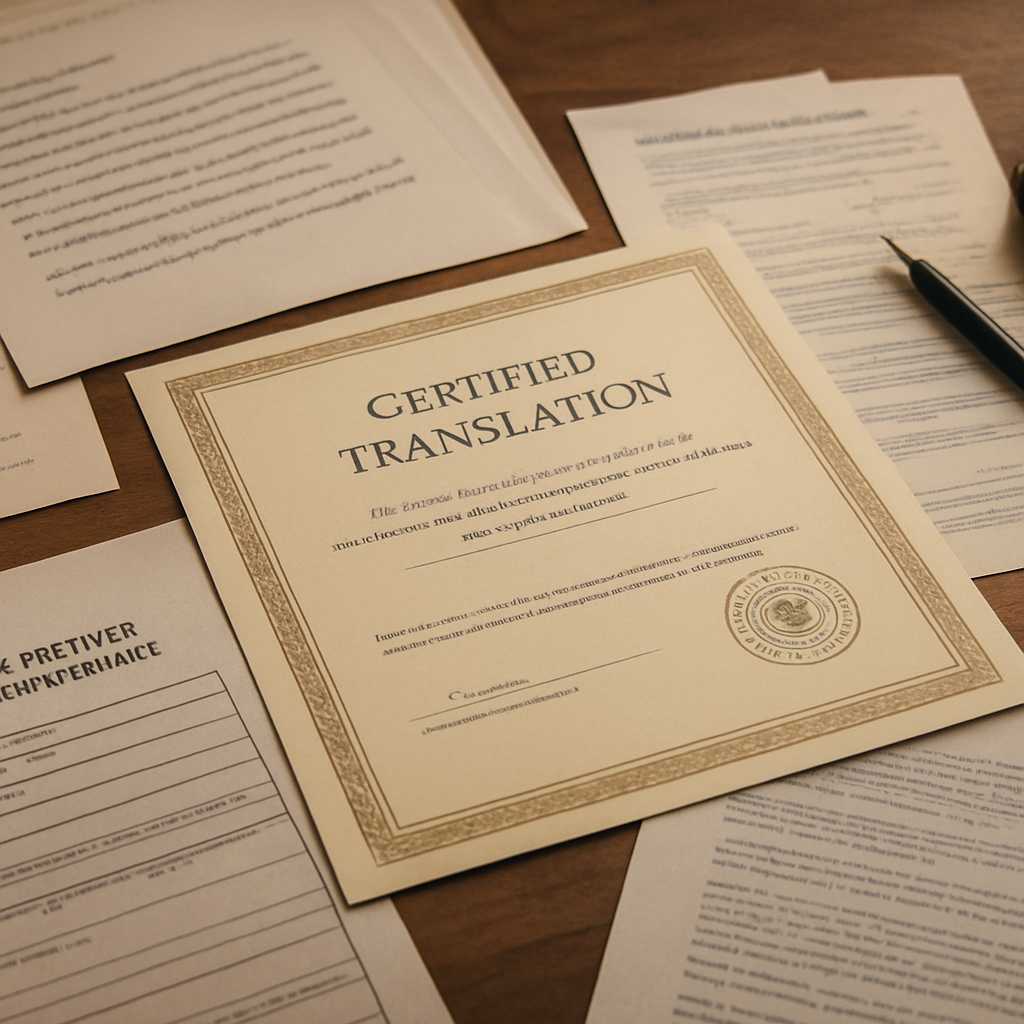
3. Obtain a Certified Translation Certificate
Each translation must come with a certification statement, which includes:
- The translator’s name and signature
- The date of the translation
- A statement attesting to the accuracy of the translation
4. Review Translations for Accuracy
Before submission, double-check the translations for:
- Correctness of names and dates
- Consistency with original documents
- Proper formatting and legibility
5. Prepare for Submission
Ensure that all translated documents are included with your Form I-751 application. Organize them in the order specified by USCIS guidelines.
Avoiding Common Mistakes
Many applicants face RFEs due to translation errors. Here are some common pitfalls to avoid:
- Using unqualified translators
- Failing to provide a certification statement
- Inaccurate translations of names or dates
FAQs
What documents need to be translated for Form I-751?
All documents not in English, including marriage certificates and birth certificates, must be translated.
Do I need a certified translator for Form I-751?
Yes, USCIS requires that all translations be done by a certified translator.
How can I avoid RFEs related to translations?
Ensure all translations are accurate, complete, and accompanied by a certification statement.
What is a certified translation certificate?
A certified translation certificate is a document that attests to the accuracy and completeness of a translation.
Can I translate documents myself for USCIS?
USCIS does not allow applicants to translate their own documents; a certified translator must perform the translation.
Conclusion
Filing Form I-751 can be a daunting process, but adhering to this translation checklist will help ensure that your application is complete and accurate. For professional translation services, consider reaching out to our team at USCIS Official Translation. We specialize in certified translations for immigration purposes and are here to assist you every step of the way.
