
Table of Contents
ToggleUnderstanding Form I-601: Waiver of Inadmissibility
The Form I-601, or Waiver of Inadmissibility, is a crucial document for individuals seeking to overcome certain grounds of inadmissibility to the United States. This form allows applicants to request a waiver based on various factors, including family ties, hardship, or other compelling reasons. However, submitting this form requires meticulous attention to detail, especially when it comes to documentation and translations.
Why a Translation Checklist is Essential
When filing Form I-601, applicants often need to submit supporting documents that are not in English. This is where a translation checklist becomes invaluable. A well-structured checklist helps ensure that all necessary documents are translated accurately and meet USCIS requirements, thereby reducing the risk of Requests for Evidence (RFEs).
Key Components of the Translation Checklist
- Document Identification: Clearly identify each document that requires translation, including birth certificates, marriage certificates, and any foreign language evidence.
- Certified Translations: Ensure that all translations are certified. This means they must be done by a qualified translator who can provide a certification statement.
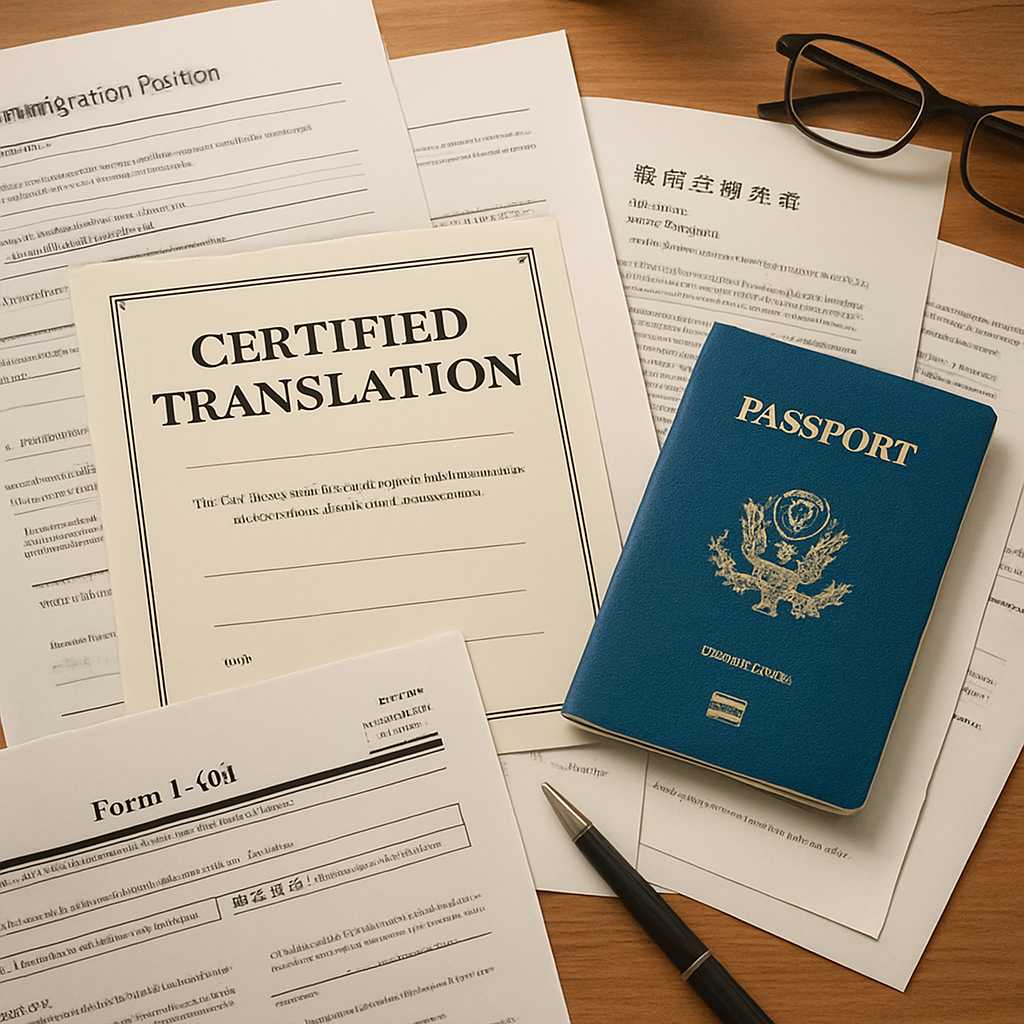
- Translation Certificate: Include a certified translation certificate with each document, which states that the translation is complete and accurate.
- Formatting Requirements: Follow USCIS formatting guidelines, including the use of stamps, seals, and signatures where necessary.
- Proof of Relationship: For documents like marriage certificates, provide evidence that establishes the relationship, such as photographs or joint financial documents.
Common Translation Mistakes to Avoid
Even minor errors in translation can lead to significant delays or denials. Here are some common pitfalls to avoid:
- Inaccurate Translations: Ensure that the translator understands the context and nuances of the original document.
- Missing Documents: Double-check that all required documents are included in the submission.
- Improper Certification: Make sure the certification statement is properly formatted and signed by the translator.
Utilizing Professional Translation Services
To mitigate risks associated with translation errors, consider utilizing professional translation services. These services specialize in immigration documents and can provide certified translations that comply with USCIS standards. For more information, visit our About Us page.
FAQs about Form I-601 Translation Requirements
1. What documents need to be translated for Form I-601?
All supporting documents that are not in English must be translated, including birth certificates, marriage certificates, and any other relevant foreign language evidence.
2. Do I need a certified translation for Form I-601?
Yes, all translations submitted with Form I-601 must be certified to ensure they meet USCIS requirements.
3. How can I avoid RFEs when filing Form I-601?
To avoid RFEs, ensure that all documents are accurately translated, properly certified, and that you include all necessary supporting evidence.
4. Can I translate my own documents for Form I-601?
While you can translate your own documents, it is highly recommended to use a professional translator to ensure accuracy and compliance with USCIS standards.
5. What is a certified translation certificate?
A certified translation certificate is a document that accompanies the translated material, stating that the translation is accurate and complete, signed by the translator.
Conclusion
Filing Form I-601 can be a complex process, but with a comprehensive translation checklist, you can streamline your application and reduce the likelihood of RFEs. For assistance with certified translations, explore our Academic Translation Services or Birth Certificate Translation options.
