
Table of Contents
ToggleUnderstanding Form I-129F and Its Importance
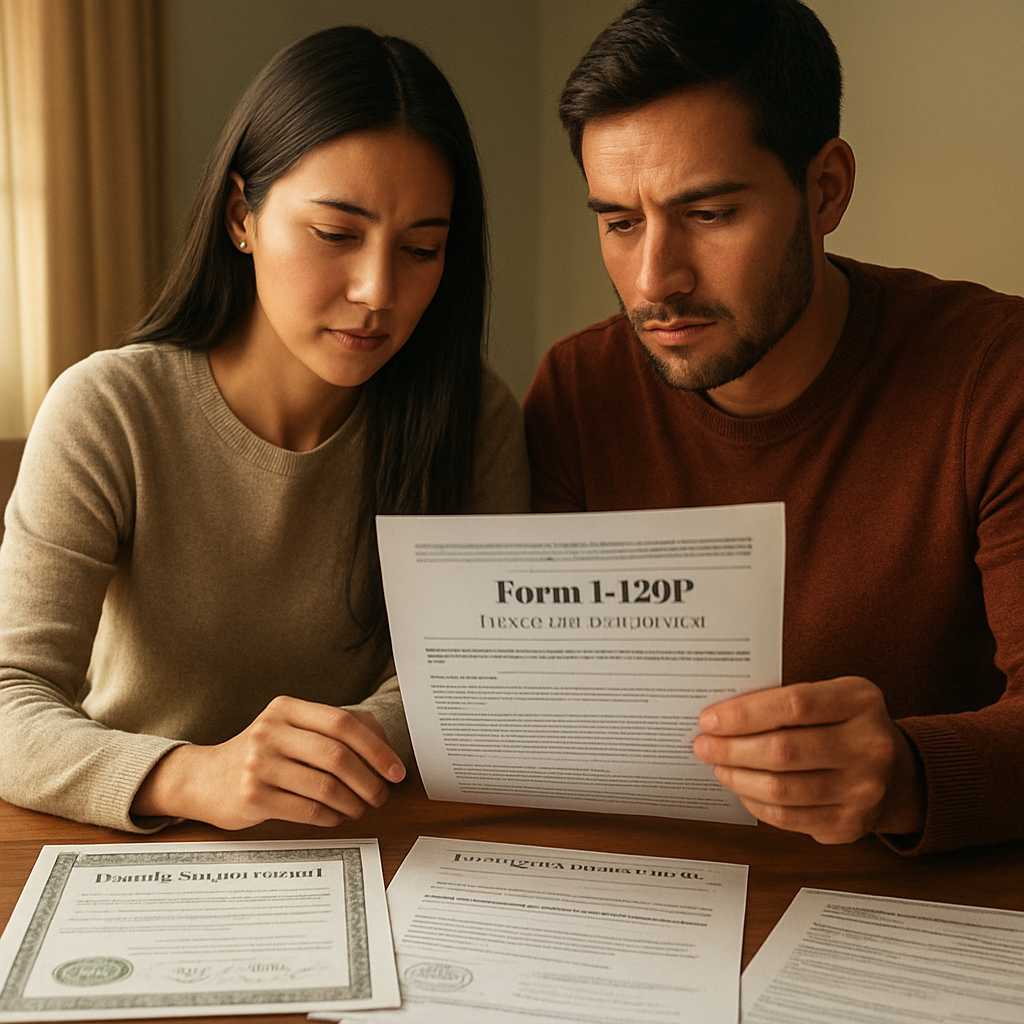
The Form I-129F, also known as the Fiancé(e) Visa Petition, is a crucial document for U.S. citizens wishing to bring their foreign fiancé(e) to the United States. This form initiates the K-1 visa process, allowing the couple to marry within 90 days of the fiancé(e)’s arrival in the U.S. Properly completing and submitting this form is essential to avoid delays or denials.
Why Accurate Translations Matter
When filing Form I-129F, any supporting documents not in English must be translated accurately. Inaccurate translations can lead to Requests for Evidence (RFEs) or even denials. Therefore, having a reliable certified translation is vital.
Translation Checklist for Form I-129F Filings
1. Identify Required Documents
Before beginning the translation process, ensure you have all necessary documents, including:
- Proof of U.S. citizenship (e.g., birth certificate, passport)
- Evidence of the relationship (e.g., photos, correspondence)
- Fiancé(e)’s birth certificate
- Any divorce decrees or death certificates if applicable
2. Ensure Accurate Translations
Each document must be translated by a qualified translator who can provide:
- A complete and accurate translation of the original document
- A signed certified translation certificate affirming the accuracy of the translation
3. Format Translations Correctly
Translations should mirror the original document’s format, including:
- Headers and footers
- Signatures and stamps
- Any handwritten notes or annotations
4. Review for Common Mistakes
Before submission, review the translations for common errors that can trigger RFEs:
- Incorrect names or dates
- Missing documents
- Inconsistent formatting
5. Submit Translations with the Application
When filing Form I-129F, include the certified translations with the original documents. Ensure that:
- All translations are complete and legible
- Each translation is accompanied by the certification
FAQs About Translation for Form I-129F
What documents need to be translated for Form I-129F?
All supporting documents not in English, including birth certificates, marriage certificates, and divorce decrees, must be translated.
Do translations need to be certified for USCIS?
Yes, USCIS requires certified translations for all documents submitted with Form I-129F.
How can I ensure my translations are accurate?
Use a professional translation service that specializes in legal documents and provides a certification of accuracy.
What happens if my translations are incorrect?
Incorrect translations can lead to RFEs or denials of your petition, delaying the process significantly.
Can I translate documents myself for USCIS?
While you can translate documents yourself, it is recommended to use a certified translator to ensure accuracy and compliance with USCIS requirements.
Conclusion
Filing Form I-129F requires careful attention to detail, especially regarding translations. By following this checklist, you can ensure that your application is complete and accurate, minimizing the risk of delays or denials. For professional translation services, consider reaching out to our team for assistance.
