
Table of Contents
ToggleUnderstanding Form I-130 and Its Importance
The Form I-130, or Petition for Alien Relative, is a crucial document for U.S. citizens and lawful permanent residents who wish to bring their foreign relatives to the United States. This form establishes the relationship between the petitioner and the beneficiary, paving the way for further immigration processes. However, if any supporting documents are in a foreign language, they must be translated accurately to avoid delays or denials.
Why Accurate Translations Matter
Accurate translations are vital for the success of your Form I-130 petition. Inaccurate or incomplete translations can lead to Requests for Evidence (RFEs) from USCIS, which can prolong the application process. To ensure your application is processed smoothly, follow this comprehensive translation checklist.
Translation Checklist for Form I-130 Filings
1. Identify Required Documents
Before starting the translation process, identify all documents that need translation. Common documents include:
- Birth certificates
- Marriage certificates
- Divorce decrees
- Adoption papers
- Any other legal documents proving the relationship
2. Ensure Certified Translations
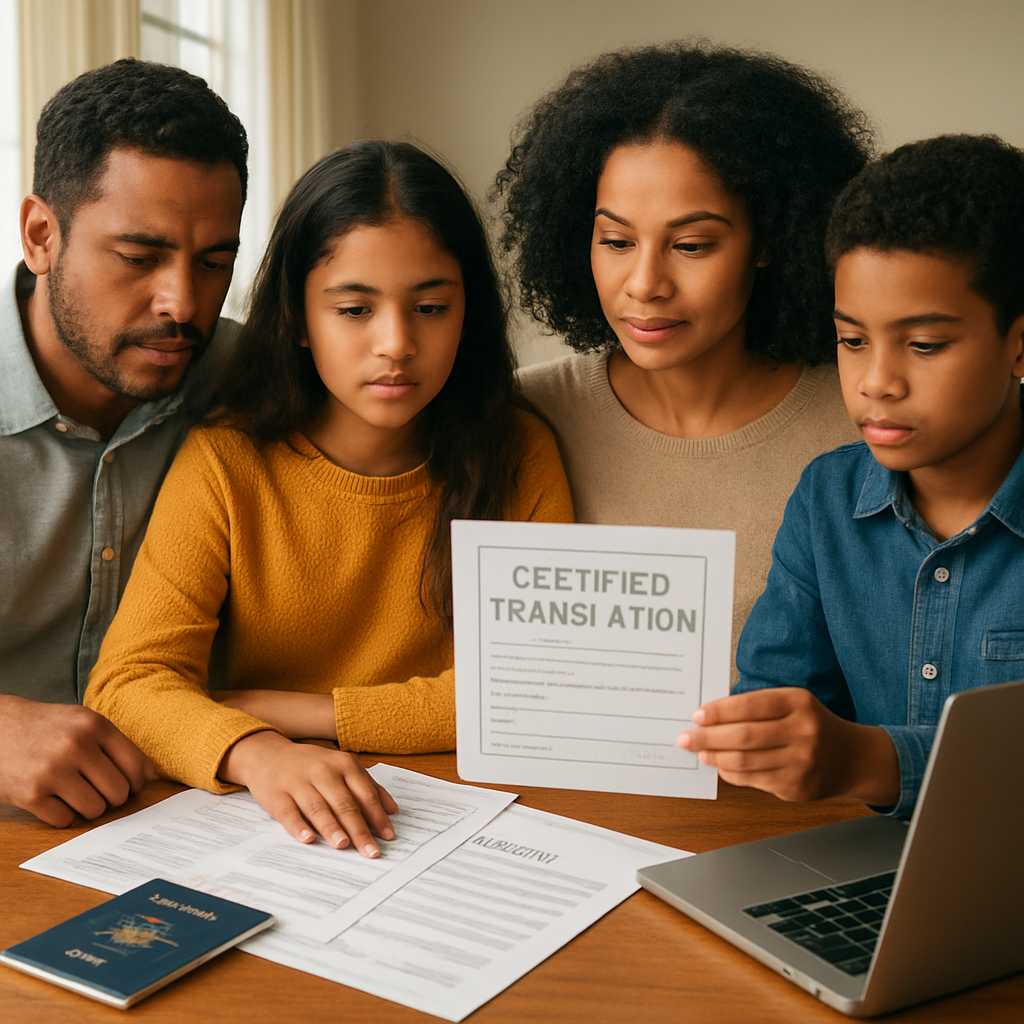
USCIS requires that all translations be certified. A certified translation includes a signed statement from the translator affirming the accuracy of the translation. Make sure to obtain a certified translation certificate for each document.
3. Use Qualified Translators
Choose translators who are experienced in legal and immigration documents. They should be familiar with the specific terminology used in Form I-130 filings. Consider using services like academic translation services for complex documents.
4. Review Translations Thoroughly
After receiving the translations, review them carefully. Check for:
- Correct names and dates
- Accurate terminology
- Overall clarity and readability
Utilizing a proofreading checklist can help ensure nothing is overlooked. Refer to our essential proofreading checklist for certified translations.
5. Prepare for Online Filing
If you plan to file your Form I-130 online, ensure that all translated documents are in the correct format and easily accessible. Familiarize yourself with the online filing documents requirements to avoid any complications during submission.
6. Keep Copies of All Documents
Always keep copies of both the original documents and their translations. This will be helpful in case USCIS requests additional information or if you need to reference them in the future.
Common Questions About Form I-130 Translations
What documents need to be translated for Form I-130?
All documents that are not in English and are submitted as part of the Form I-130 petition must be translated, including birth and marriage certificates.
Do translations need to be notarized?
No, USCIS does not require translations to be notarized, but they must be certified.
How can I ensure my translations are accurate?
Use qualified translators familiar with immigration terminology and review translations thoroughly before submission.
What happens if my translations are incorrect?
Incorrect translations can lead to RFEs or denials of your petition, causing delays in the immigration process.
Conclusion
Following this translation checklist for Form I-130 filings will help ensure that your petition is complete and accurate, minimizing the risk of delays or complications. For professional translation services, consider reaching out to our America Translation Agency for assistance.
