
Table of Contents
ToggleUnderstanding the Importance of Translating an Afghanistan Residence Permit
When applying for immigration to the United States, having accurate translations of essential documents is crucial. This is especially true for an Afghanistan residence permit or visa sticker, which serves as proof of legal residency or entry into a foreign country. The translation of these documents must meet specific standards to be accepted by immigration authorities.
In this article, we will explore the process of translating an Afghanistan residence permit or visa sticker, the requirements for immigration filing, and best practices to ensure your translations are both accurate and compliant.
What is an Afghanistan Residence Permit?
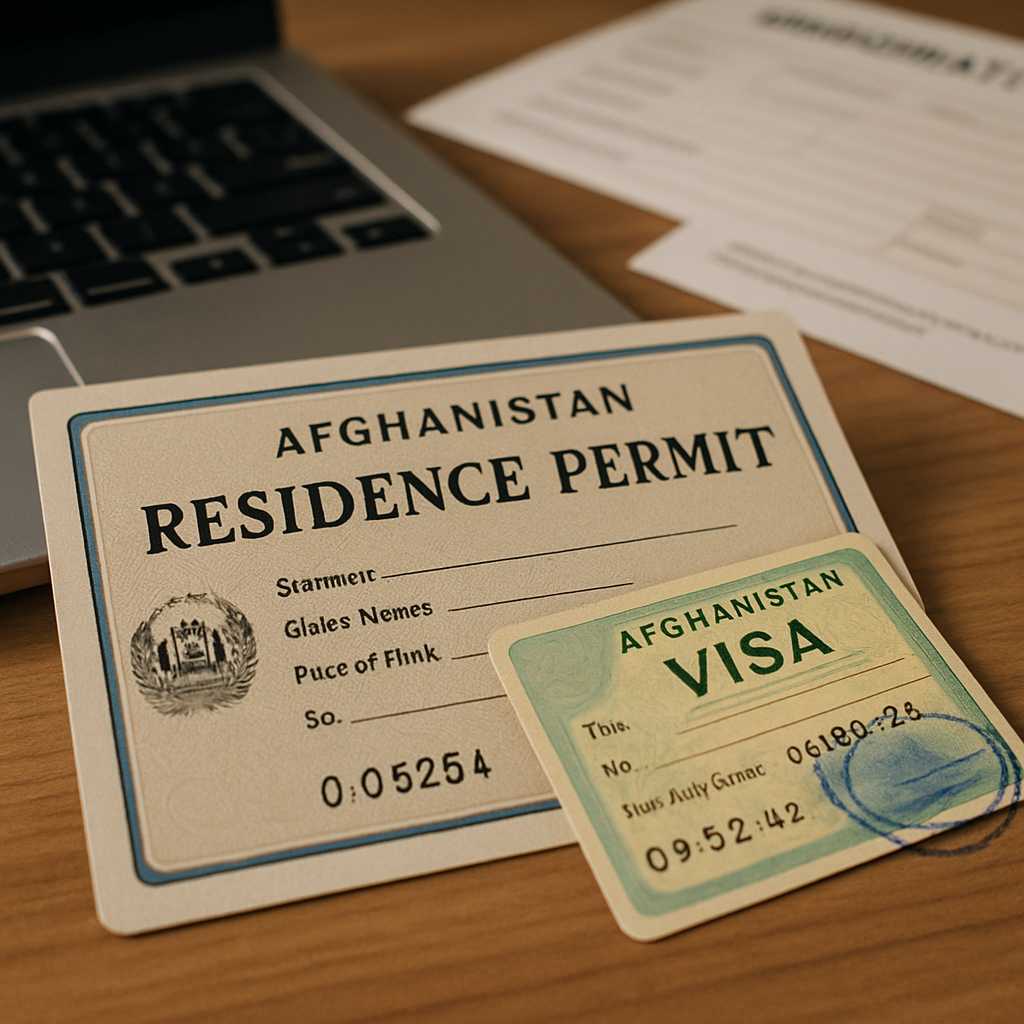
An Afghanistan residence permit is an official document issued by the Afghan government that allows foreign nationals to reside in Afghanistan legally. This permit typically includes personal information such as the holder’s name, nationality, and the duration of the permit. It may also contain a visa sticker, which is a stamp or label affixed to a passport that indicates the holder’s legal entry into Afghanistan.
Key Features of an Afghanistan Residence Permit
- Personal Information: Includes the holder’s name, date of birth, and nationality.
- Validity Period: Specifies the duration for which the permit is valid.
- Visa Sticker: Often includes a visa sticker that indicates the entry status of the holder.
Why is Translation Necessary for Immigration Filing?
When submitting an immigration application, all documents must be in English or accompanied by a certified translation. The U.S. Citizenship and Immigration Services (USCIS) requires that translations be complete, accurate, and performed by a qualified translator. Failure to provide proper translations can lead to delays or even denials of immigration applications.
Consequences of Poor Translation
Inaccurate translations can result in:
- Request for Evidence (RFE): USCIS may issue an RFE if they find discrepancies in the documents.
- Application Denial: Incomplete or incorrect translations can lead to outright denial of the application.
- Legal Issues: Misrepresentation due to translation errors can have serious legal implications.
How to Translate an Afghanistan Residence Permit or Visa Sticker
The process of translating an Afghanistan residence permit or visa sticker involves several key steps:
1. Choose a Qualified Translator
Select a translator who is experienced in immigration-related documents and familiar with the specific terminology used in Afghanistan residence permits. Ensure that the translator can provide a certified translation, which is often required by USCIS.
2. Provide Clear Copies of the Original Documents
Ensure that the translator has clear and legible copies of the original residence permit or visa sticker. This will help avoid any misinterpretations or errors during the translation process.
3. Review the Translation for Accuracy
Once the translation is complete, review it for accuracy. It is advisable to have a second translator or a bilingual individual check the translation to ensure that all information is correctly represented.
4. Obtain Certification
After the translation is verified, obtain a certification from the translator. This certification should state that the translation is accurate and complete to the best of the translator’s knowledge.
Best Practices for Immigration Document Translation
To ensure your translation meets USCIS requirements, consider the following best practices:
1. Use a Professional Translation Service
Utilizing a professional translation service that specializes in immigration documents can save time and reduce the risk of errors. Services like America Translation Agency offer expertise in translating various immigration-related documents.
2. Keep Copies of All Documents
Maintain copies of both the original documents and the translations. This will be useful for your records and in case USCIS requests additional information.
3. Stay Informed About USCIS Requirements
USCIS requirements can change, so it is essential to stay updated on any new guidelines regarding document translations. Regularly check the USCIS website for the latest information.
Common Mistakes to Avoid When Translating Residence Permits
When translating an Afghanistan residence permit, be aware of common pitfalls that can lead to issues:
1. Incomplete Translations
Ensure that every part of the document is translated, including any stamps or annotations that may be present.
2. Incorrect Terminology
Using incorrect legal or immigration terminology can lead to misunderstandings. Always use terms that are recognized by USCIS.
3. Lack of Certification
Failing to provide a certification with the translation can result in the document being rejected. Always include this important component.
FAQs About Translating Afghanistan Residence Permits
1. Do I need to translate my Afghanistan residence permit for USCIS?
Yes, all documents submitted to USCIS must be in English or accompanied by a certified translation.
2. How long does it take to translate an Afghanistan residence permit?
The time required for translation can vary based on the translator’s workload, but it typically takes a few days to a week.
3. Can I translate my own residence permit?
While you can translate your own documents, it is recommended to use a professional translator to ensure accuracy and compliance with USCIS requirements.
4. What should I do if my translation is rejected?
If your translation is rejected, review the feedback provided by USCIS, correct any issues, and resubmit the documents with a new translation.
5. How can I find a qualified translator for my residence permit?
Look for translation services that specialize in immigration documents and have positive reviews or testimonials from previous clients.
Conclusion
Translating an Afghanistan residence permit or visa sticker is a critical step in the immigration filing process. By ensuring that your translations are accurate, complete, and certified, you can avoid delays and complications with your application. For professional translation services, consider reaching out to experts who understand the nuances of immigration documentation.
