
Table of Contents
ToggleUnderstanding Residence Permit Translation
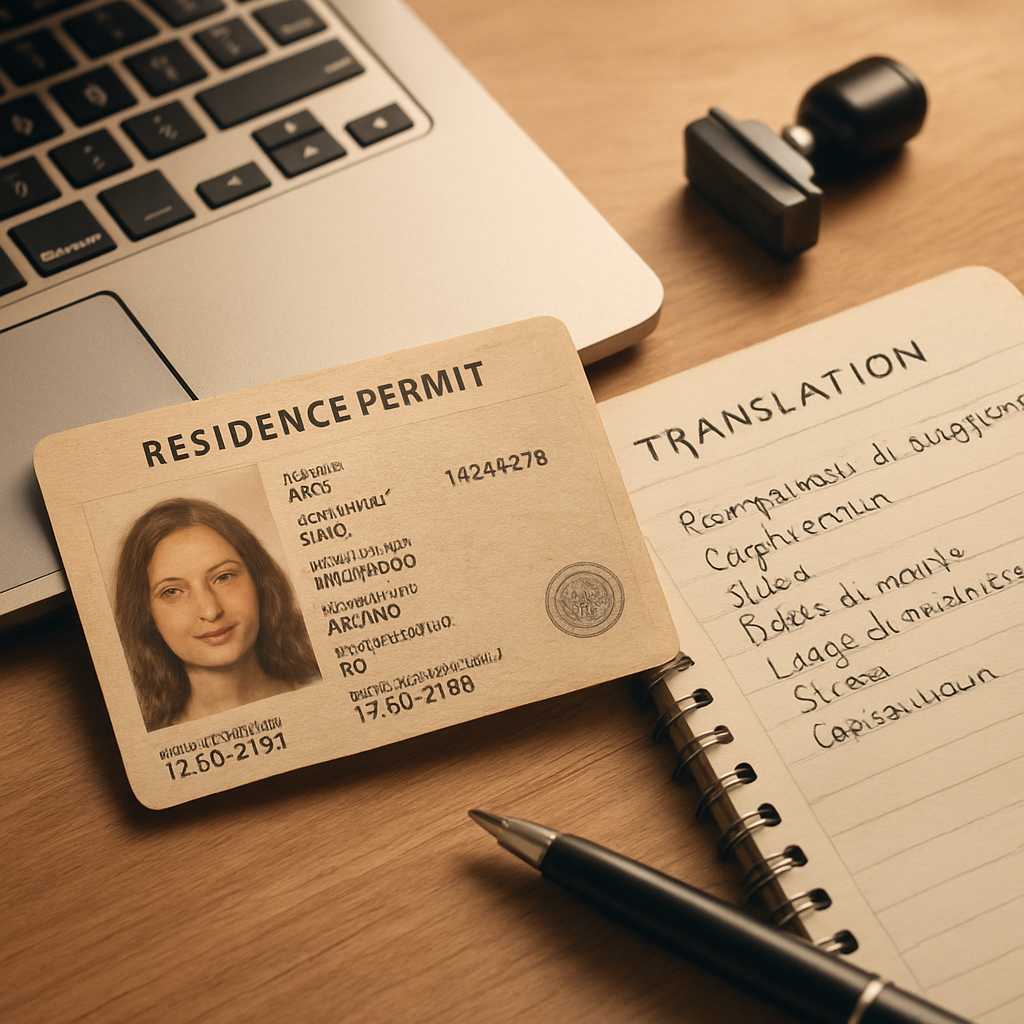
Translating a residence permit is a critical step for individuals navigating immigration processes. A residence permit serves as an official document that allows a foreign national to reside in a country for a specified period. Proper translation of this document is essential to ensure compliance with immigration regulations and to avoid potential delays in processing applications.
Key Elements of a Residence Permit Translation
1. Format and Layout
The format of a translated residence permit should closely mirror the original document. This includes maintaining the layout, font style, and size. Here are some layout tips:
- Use the same headings: Ensure that the translated document has the same headings as the original.
- Maintain order: Follow the same sequence of information as presented in the original permit.
- Consistent font: Use a legible font that matches the original document’s style.
2. Seals and Stamps
Many residence permits include official seals and stamps that validate the document. When translating:
- Include images: If the original document contains seals or stamps, include clear images of these in the translation.
- Describe the seals: Provide a brief description of each seal or stamp, including its significance.
3. Notes and Additional Information
It is crucial to add notes that clarify any specific terms or phrases that may not have direct translations. This can help immigration officials understand the context better. Here are some examples:
- Legal terms: Provide explanations for legal terms that may not be familiar to the target audience.
- Country-specific terms: Include notes on terms that are unique to the issuing country.
Common Mistakes to Avoid
When translating a residence permit, it is essential to avoid common pitfalls that can lead to rejections or delays:
- Omissions: Ensure that no information is left out during translation.
- Incorrect terminology: Use accurate legal and immigration terminology to avoid misunderstandings.
- Formatting errors: Maintain the original document’s formatting to ensure clarity.
Examples of Residence Permit Translations
To illustrate the importance of accurate translation, consider the following example:
A residence permit issued in Germany may contain specific terms such as “Aufenthaltserlaubnis”. The correct translation would be “Residence Permit”. Failing to translate this accurately could lead to confusion during the application process.
Frequently Asked Questions
1. What is the best way to translate a residence permit?
The best way to translate a residence permit is to use a certified translation service that specializes in immigration documents.
2. Do I need to translate the seals on my residence permit?
Yes, it is important to include translations of any seals or stamps as they validate the document.
3. Can I translate my residence permit myself?
While you can translate your residence permit, it is recommended to use a professional service to ensure accuracy and compliance with immigration requirements.
4. What should I do if my residence permit contains complex legal terms?
Include notes in your translation that explain any complex legal terms to ensure clarity for immigration officials.
Conclusion
Translating a residence permit correctly is vital for a smooth immigration process. By adhering to the proper format, including necessary seals, and avoiding common mistakes, you can ensure that your translation meets all requirements. For professional assistance, consider our Certified Translation of Residence Permit for U.S. Immigration Filings.
