
Table of Contents
ToggleUnderstanding Divorce Judgment Translation
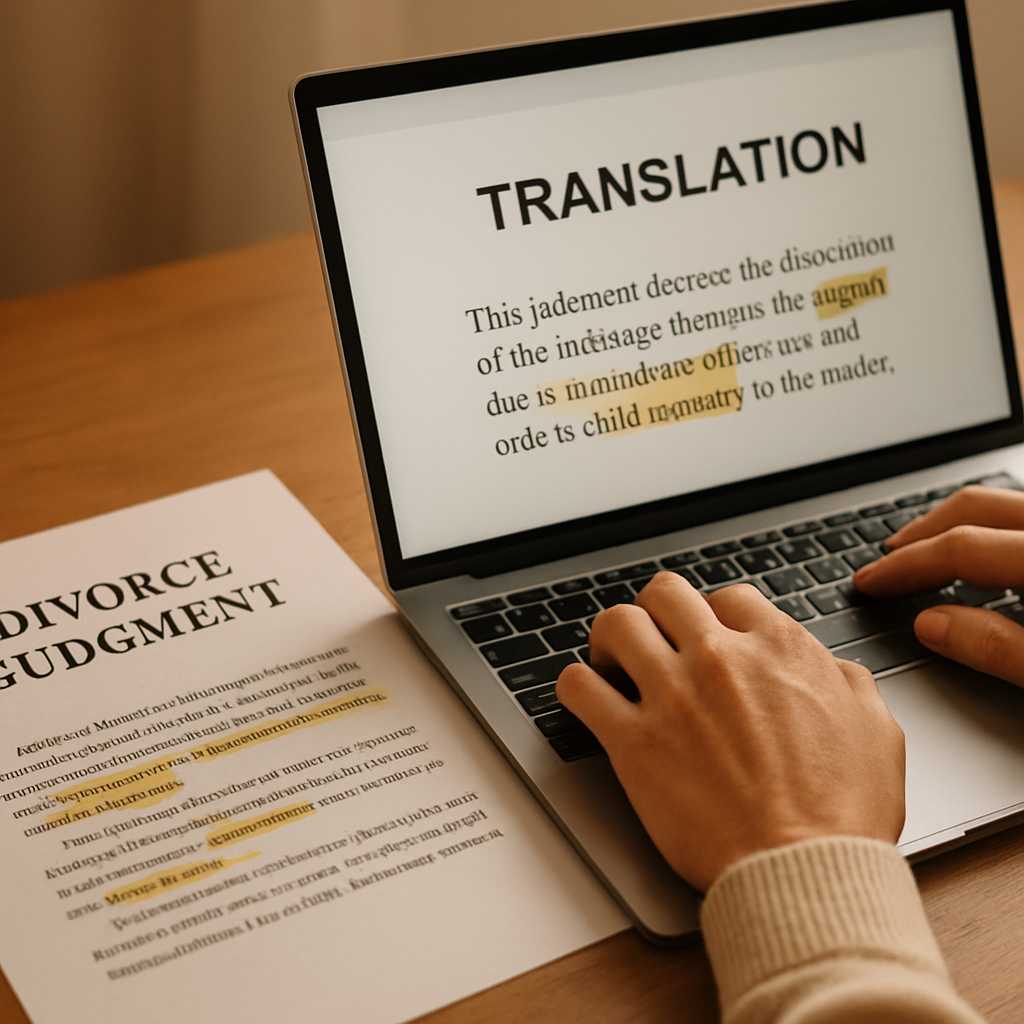
Translating a divorce judgment is a critical task that requires precision and attention to detail. Whether for immigration purposes, legal proceedings, or personal records, ensuring that the translation is accurate and compliant with relevant standards is essential. This guide will walk you through the steps on how to translate a divorce judgment correctly, focusing on format, seals, and important notes.
Why Accurate Translation Matters
Divorce judgments often contain legal terminology and specific details that must be accurately conveyed in the target language. An incorrect translation can lead to misunderstandings or legal complications. Therefore, it is crucial to use certified translation services that specialize in legal documents.
Common Uses for Translated Divorce Judgments
- Immigration applications
- Legal proceedings in foreign jurisdictions
- Personal records for future reference
Format of a Divorce Judgment Translation
The format of a translated divorce judgment should mirror the original document as closely as possible. Here are some key formatting tips:
1. Maintain Original Layout
Keep the same structure as the original document. This includes headings, sections, and any bullet points or lists.
2. Use Clear and Professional Language
Ensure that the language used is formal and appropriate for legal documents. Avoid colloquialisms or informal expressions.
3. Include a Certificate of Translation
A certificate of translation should accompany the translated document, affirming that the translation is accurate and complete. This is often required by immigration authorities.
Translating Stamps and Seals
Many divorce judgments include official stamps and seals that authenticate the document. Here’s how to handle them:
1. Translate the Text
Any text on the stamp or seal should be translated accurately. This includes the name of the issuing authority and any relevant dates.
2. Include Visuals
It’s often beneficial to include a scanned copy of the original stamp or seal alongside the translation to provide context.
Avoiding Common Mistakes
When translating a divorce judgment, certain pitfalls can lead to errors. Here are some common mistakes to avoid:
1. Omissions
Ensure that no sections of the original document are left out. Every detail matters in legal translations.
2. Incorrect Terminology
Using the wrong legal terms can change the meaning of the document. Always refer to legal dictionaries or consult with a legal expert.
3. Inconsistent Formatting
Inconsistencies in formatting can lead to confusion. Stick to the original layout as closely as possible.
FAQs About Divorce Judgment Translation
What is a divorce judgment translation example?
A divorce judgment translation example typically includes the original document alongside its translated version, showcasing how legal terms and formatting are handled.
Do I need a certified translation for my divorce judgment?
Yes, most legal processes require a certified translation to ensure accuracy and authenticity.
How can I ensure my translation is accurate?
Using professional translation services that specialize in legal documents is the best way to ensure accuracy.
What should I do if my divorce judgment is in a foreign language?
You should seek a certified translation service to translate the document into the required language for your specific needs.
Conclusion
Translating a divorce judgment correctly is vital for legal compliance and personal records. By following the guidelines outlined in this article, you can ensure that your translation is accurate, complete, and professionally presented. For further assistance, consider reaching out to our academic translation services or certified translation services for your legal documents.
