
Table of Contents
ToggleUnderstanding Court Disposition Records
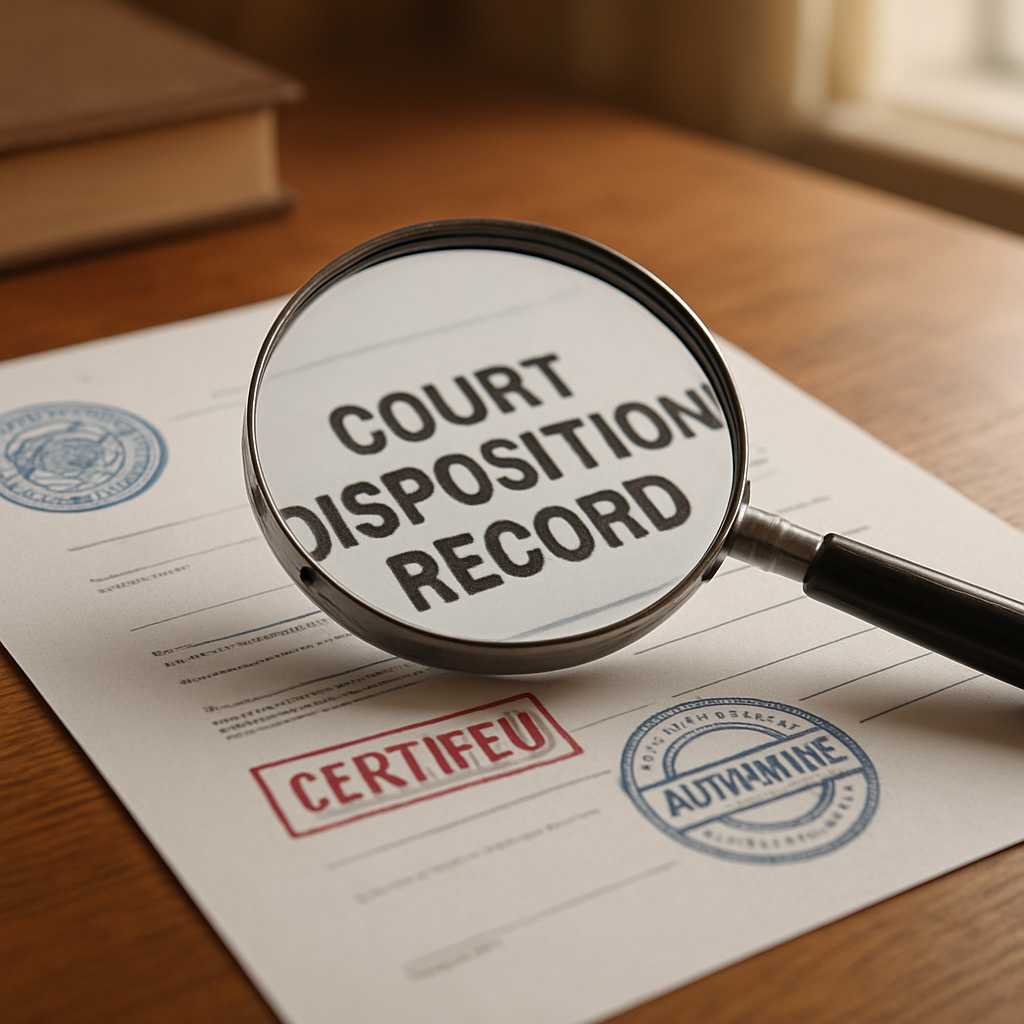
A court disposition record is a crucial document that outlines the outcome of a court case. It includes details such as the charges, verdict, and any penalties imposed. For individuals needing to present this document for immigration or legal purposes, accurate translation is essential. This guide will walk you through how to translate a court disposition record correctly, focusing on format, seals, and important notes.
Key Elements of a Court Disposition Record
Format and Structure
When translating a court disposition record, maintaining the original format is vital. Here are some key elements to consider:
- Header: Include the court’s name, address, and case number.
- Case Details: Document the names of the parties involved, the date of the hearing, and the judge’s name.
- Verdict: Clearly state the outcome of the case, including any sentences or penalties.
- Signatures: Ensure that any signatures from court officials are accurately represented.
Translating Stamps and Seals
Many court documents feature official stamps and seals. These elements are not just decorative; they authenticate the document. Here’s how to handle them:
- Include a description of the seal in the translation, noting its significance.
- Use a clear format to differentiate between the translated text and the original seal.
Common Mistakes to Avoid
When translating a court disposition record, it’s crucial to avoid common pitfalls:
- Omissions: Ensure that no details are left out. Every element of the original document must be included in the translation.
- Inaccurate Terminology: Use precise legal terminology to convey the correct meaning.
- Formatting Errors: Maintain the original layout to ensure clarity and professionalism.
Layout Tips for Effective Translation
To enhance readability and professionalism, consider the following layout tips:
- Use consistent font styles and sizes.
- Align text properly to match the original document.
- Incorporate bullet points or numbered lists for clarity.
FAQs
What is a court disposition record?
A court disposition record details the outcome of a court case, including verdicts and penalties.
Why is accurate translation important?
Accurate translation is crucial for legal compliance and to avoid misunderstandings in legal proceedings.
How do I ensure my translation meets legal standards?
Use certified translation services to ensure compliance with legal requirements.
Can I translate my own court disposition record?
While you can translate your own document, it is recommended to use a certified translator for legal purposes.
What should I do if my translation is rejected?
If your translation is rejected, consult with a certified translator to address any issues and ensure compliance.
Conclusion
Translating a court disposition record correctly is vital for legal and immigration processes. By following the guidelines outlined in this article, you can ensure that your translation is accurate, complete, and professionally presented. For expert assistance, consider our Certified Translation of Court Disposition Record for U.S. Immigration Filings.
