
Table of Contents
ToggleUnderstanding the Certificate of Good Standing
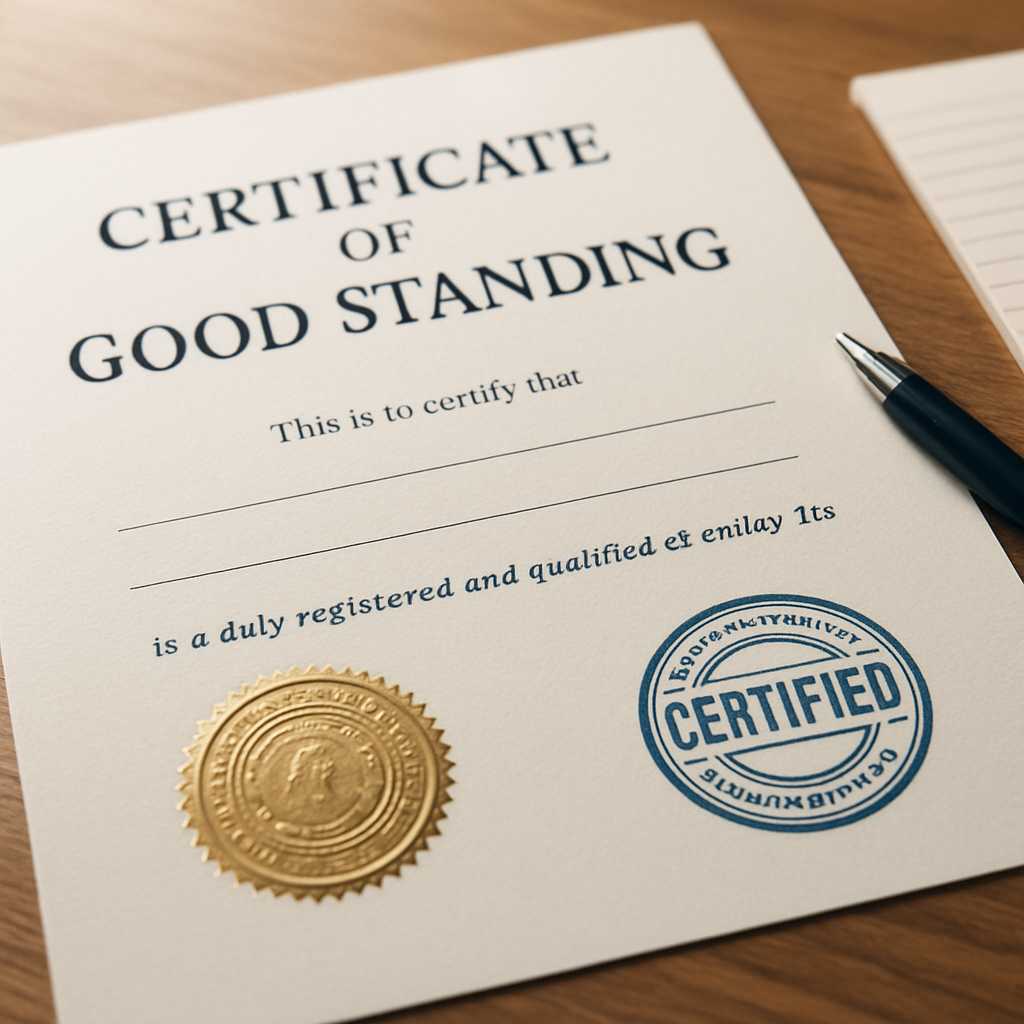
A Certificate of Good Standing is a crucial document that verifies a company’s legal status and compliance with state regulations. This document is often required for various business transactions, including applying for loans, entering contracts, or expanding operations. Understanding how to translate this document correctly is essential for ensuring its acceptance by authorities.
Why Accurate Translation Matters
When it comes to legal documents, accuracy is paramount. An incorrect translation can lead to misunderstandings, legal issues, or even the rejection of applications. Therefore, knowing how to translate a certificate of good standing correctly is vital.
Common Uses of a Certificate of Good Standing
- Business loans and financing
- Contractual agreements
- Licensing and permits
- International business transactions
Key Elements of a Certificate of Good Standing
To ensure a precise translation, it’s important to understand the key elements typically found in a Certificate of Good Standing:
- Company Name: The official name of the business.
- Registration Number: The unique identifier assigned by the state.
- Status: Confirmation that the company is in good standing.
- Date of Issue: The date the certificate was issued.
- Seals and Stamps: Official marks that validate the document.
Formatting the Translation
When translating a Certificate of Good Standing, maintaining the original format is crucial. Here are some tips:
Layout Tips
- Keep the original layout intact to ensure clarity.
- Use the same font style and size as the original document.
- Include headings and subheadings as they appear in the original.
Translate Stamps and Seals
Stamps and seals are often overlooked but are essential for the document’s authenticity. Ensure that:
- All seals are accurately described in the translation.
- Any official stamps are included in the translated document.
Avoiding Common Mistakes
When translating a Certificate of Good Standing, it’s easy to make mistakes that can lead to issues. Here are some common pitfalls to avoid:
- Omissions: Ensure no information is left out.
- Incorrect terminology: Use legal terminology that matches the original document.
- Formatting errors: Maintain the original document’s structure.
Examples of Translated Certificates
Providing examples can enhance understanding. Here’s a brief overview of how a translated Certificate of Good Standing might look:
Original: “This is to certify that XYZ Corp is in good standing as of January 1, 2023.”
Translated: “Esto certifica que XYZ Corp está en buena situación a partir del 1 de enero de 2023.”
FAQs
What is a Certificate of Good Standing?
A Certificate of Good Standing is an official document that confirms a business’s compliance with state regulations.
Why is it important to translate a Certificate of Good Standing?
Accurate translation ensures that the document is understood by authorities in different jurisdictions, preventing legal issues.
What should I include in the translation?
Include all text, seals, and stamps, and maintain the original layout for clarity.
Can I translate the document myself?
While you can translate it yourself, using a certified translation service is recommended to ensure accuracy and compliance.
How can I find a reliable translation service?
Look for services that specialize in legal document translation and have positive reviews or testimonials.
Conclusion
Translating a Certificate of Good Standing correctly is essential for ensuring its acceptance in legal and business contexts. By following the guidelines outlined in this article, you can ensure a precise and professional translation that meets all necessary requirements.
For more information on our Certified Translation of Certificate Of Good Standing services, contact us today!
