
Translating a birth certificate into Spanish is often a legal requirement when dealing with immigration, dual citizenship, marriage registration, or official applications in Spanish-speaking countries. However, not all translations are accepted—many authorities require certified or sworn translations that meet strict legal standards.
This guide explains exactly how to get your birth certificate translated to Spanish, what type of translation you need, how long it takes, and how to ensure it is accepted the first time.
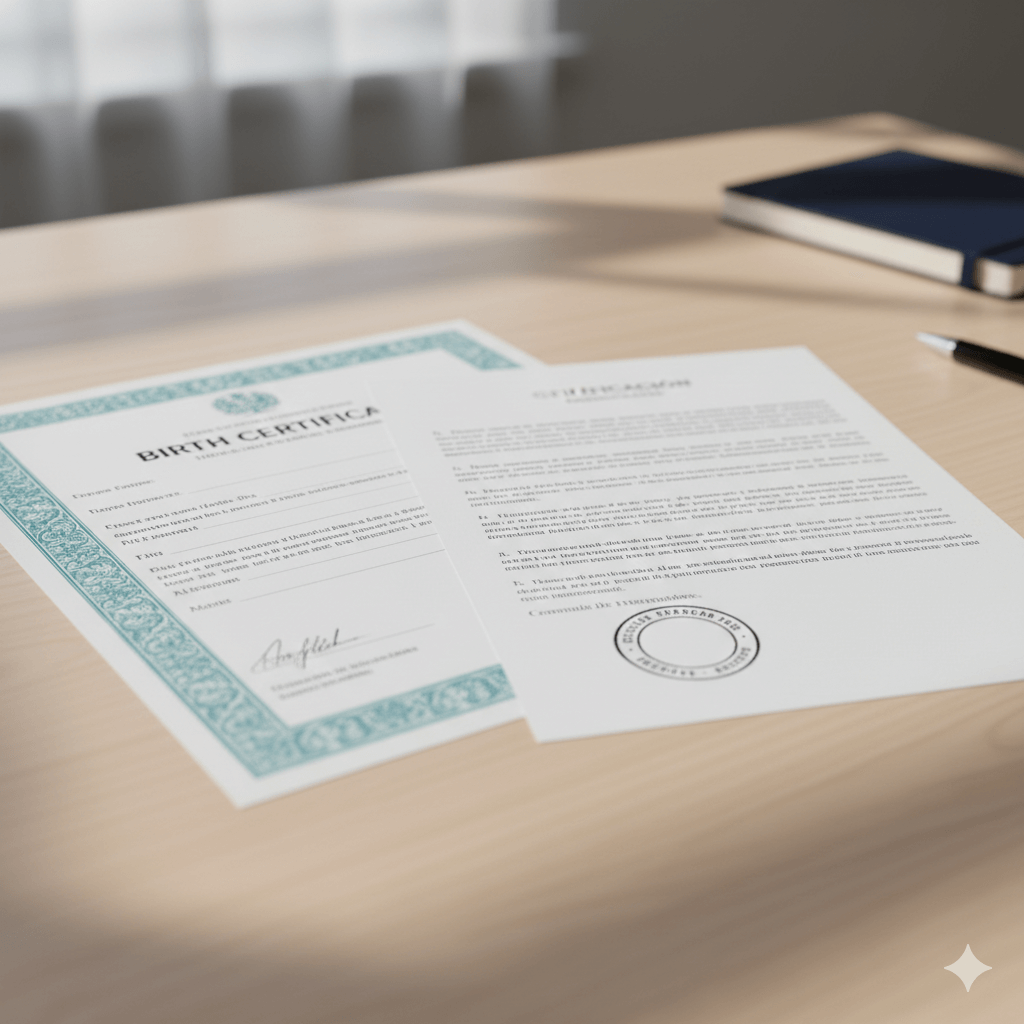
Why You May Need a Spanish Birth Certificate Translation
A translated birth certificate is typically required for:
- Immigration or visa applications
- Dual citizenship or nationality requests
- Marriage registration abroad
- University enrolment in Spanish-speaking countries
- Legal proceedings or court submissions
In most cases, authorities will reject machine translations or unofficial documents. Accuracy, formatting, and certification all matter.
What Type of Translation Do You Need?
Certified Translation
A certified translation includes:
- A signed statement confirming accuracy
- Translator credentials
- Official formatting matching the original document
This is commonly required for:
- USCIS applications
- Government submissions
- Legal documentation
Sworn Translation (Traducción Jurada)
Some countries (e.g. Spain) require a sworn translator authorised by the government.
This type of translation:
- Is legally recognised in Spain
- Includes an official seal and signature
- Must be completed by a registered sworn translator
Notarised Translation
In certain cases, a notarised translation may be requested. This involves:
- Certification by the translator
- Additional notarisation by a licensed notary
Step-by-Step: How to Translate a Birth Certificate to Spanish
Step 1: Get a Clear Copy of Your Birth Certificate
Ensure your document is:
- Fully visible (no cut-off edges)
- High resolution
- Legible, including stamps and seals
Poor-quality scans can delay the process or result in rejection.
Step 2: Choose a Professional Translation Service
Select a provider that:
- Specialises in legal and official documents
- Offers certified or sworn translations
- Has experience with immigration and government requirements
Avoid relying on free tools or unverified translators.
Step 3: Confirm Requirements with the Receiving Authority
Before proceeding, confirm:
- Whether certification is required
- If a sworn translator is mandatory
- Any formatting or submission rules
This prevents costly revisions later.
Step 4: Submit Your Document
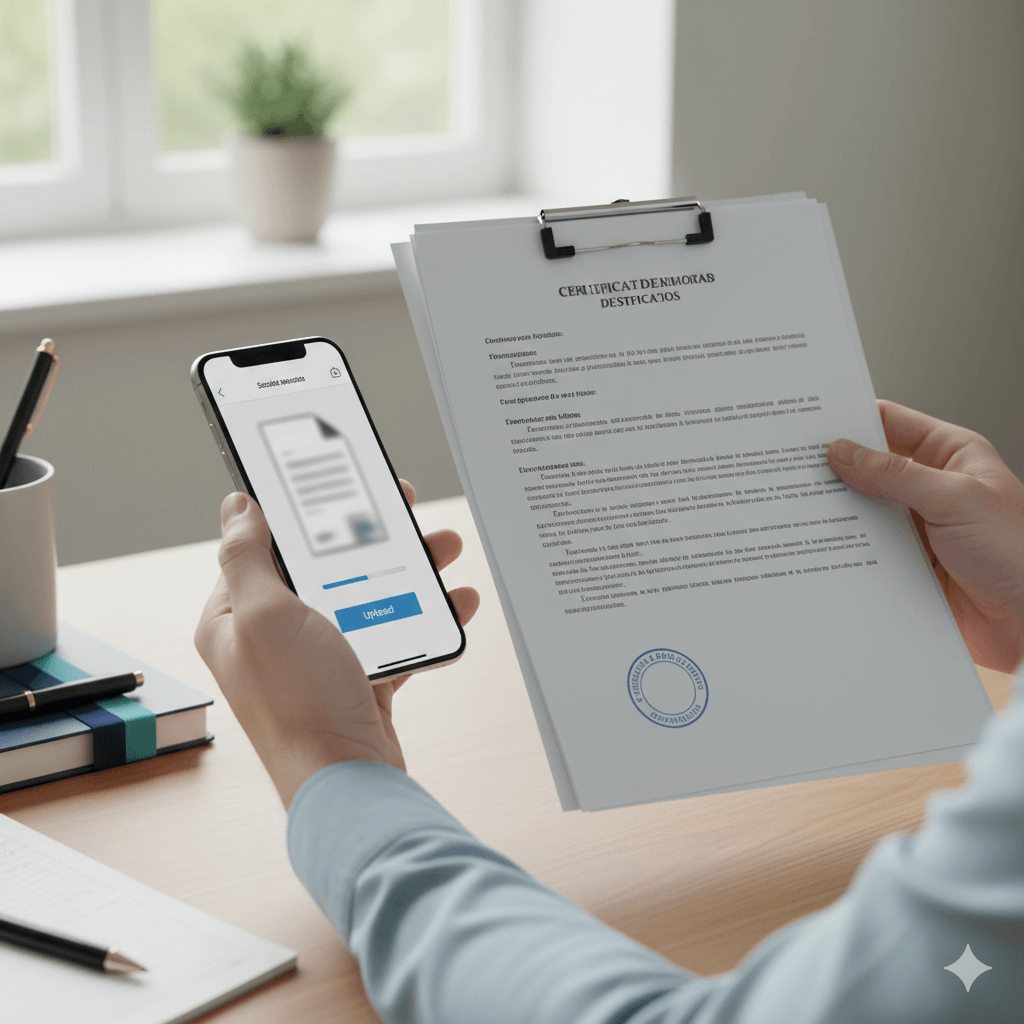
Upload or send your document to the translation provider. Most professional services offer:
- Secure online upload
- Same-day or 24-hour turnaround options
- Digital and hard copy delivery
Step 5: Receive and Review Your Translation
Check that:
- All names, dates, and places are accurate
- Formatting matches the original
- Certification statement is included
If submitting to authorities, ensure no edits are made after certification.

How Long Does It Take?
Typical turnaround times:
- Standard service: 24–48 hours
- Urgent service: Same day or within hours
Factors affecting speed:
- Document complexity
- Certification requirements
- Delivery method (digital vs physical copy)
How Much Does It Cost?
Pricing varies depending on:
- Type of translation (certified or sworn)
- Urgency
- Number of pages
Typical range:
- Certified translation: £20–£50 per page
- Sworn translation: Higher due to legal authorisation
Common Mistakes to Avoid
- Using Google Translate or AI tools
- Submitting uncertified translations
- Ignoring country-specific requirements
- Misspelling names or dates
- Altering the document after certification
Even small errors can lead to rejection.
What Makes a Translation Acceptable?
Authorities typically look for:
- Accuracy and completeness
- Official certification statement
- Translator’s credentials
- Proper formatting
For example, USCIS requires a certification confirming that the translator is competent and that the translation is complete and accurate.
Why Professional Translation Matters
A professionally translated birth certificate:
- Avoids delays or rejections
- Meets legal and immigration standards
- Preserves formatting and official terminology
- Ensures acceptance by authorities
Choosing a reliable service saves time, money, and stress.
Fast, Certified Spanish Birth Certificate Translation
If you need your birth certificate translated to Spanish quickly and correctly, professional services can handle everything from certification to delivery.
You can upload your document online and receive a fully certified translation, ready for submission—often within 24 hours.
Frequently Asked Questions
Do I need a certified translation for a birth certificate?
Yes, in most cases. Government authorities and immigration offices require certified translations to verify accuracy and authenticity.
Can I translate my own birth certificate?
No. Self-translations are not accepted by most authorities, including immigration offices.
What is the difference between certified and sworn translation?
A certified translation includes a signed accuracy statement, while a sworn translation is completed by a government-authorised translator and carries legal status in certain countries.
How do I know if my translation will be accepted?
Check requirements with the authority requesting the document and ensure your translation includes certification or sworn validation if required.
Is a digital copy of the translation acceptable?
Many authorities accept digital copies, but some may require a physical signed version. Always confirm beforehand.
