
Table of Contents
ToggleUnderstanding the Importance of Formatting Translations
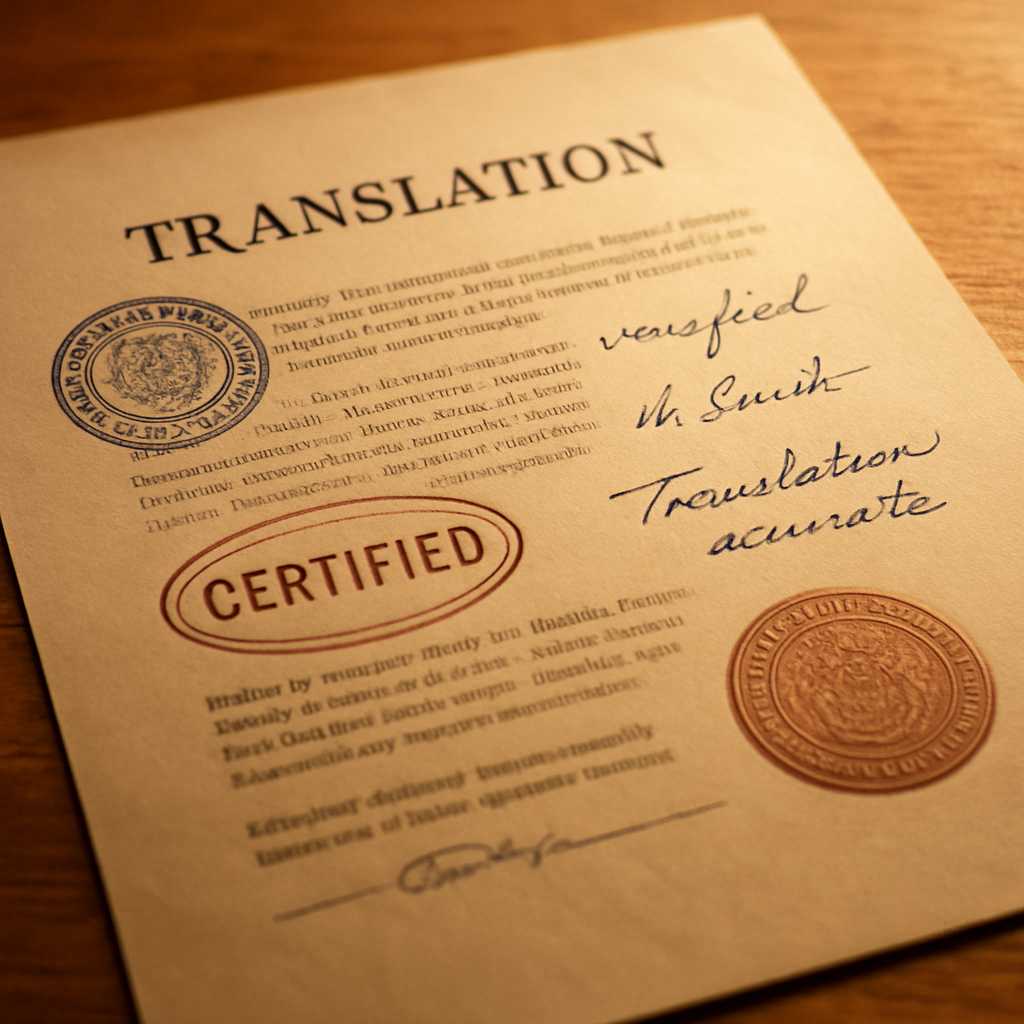
When it comes to translating official documents, the presentation of the translation is just as crucial as the accuracy of the content. This is particularly true for documents that include stamps, seals, and handwritten notes. Proper formatting ensures that the translated document is accepted by authorities and maintains its integrity.
Why Accurate Formatting Matters
Many institutions, including immigration offices and educational institutions, require that translations are formatted correctly. This includes preserving the original layout, which can include:
- Stamps and seals that authenticate the document.
- Handwritten notes that may contain vital information.
- Signatures that validate the document.
How to Format Translations with Stamps and Seals
To effectively translate stamps and seals, follow these guidelines:
1. Include Visual Elements
When translating documents, it’s essential to replicate the visual elements of the original document. This includes:
- Scanning the original document to capture stamps and seals.
- Incorporating these images into the translated document.
2. Provide Contextual Translations
Stamps and seals often contain specific information that may not be immediately clear. Include a brief description or translation of what each stamp or seal signifies. For example:
“The seal of the university indicates that this document is an official transcript.”
3. Maintain Original Layout
Ensure that the translated document mirrors the layout of the original. This includes:
- Positioning stamps and seals in the same location.
- Using the same font and size for text.
Translating Handwritten Notes
Handwritten notes can pose unique challenges in translation. Here’s how to handle them:
1. Transcribe Before Translation
Start by transcribing the handwritten notes accurately. This ensures that the translation reflects the original meaning. Consider the following:
- Use clear handwriting for transcription.
- Consult with the original author if possible for clarity.
2. Include Marginal Notes
Marginal notes often provide additional context. Make sure to translate these notes and include them in the final document. For example:
“The note in the margin clarifies the date of the event mentioned in the main text.”
3. Formatting for Official Submissions
When preparing translations for official submissions, ensure that:
- All handwritten notes are clearly legible.
- Notes are formatted consistently with the rest of the document.
Best Practices for Including Signatures in Translation
Signatures are critical for validating documents. Here’s how to handle them:
1. Replicate Signatures
When translating a document, include a scanned image of the original signature. This maintains the authenticity of the document.
2. Provide a Certificate of Translation
Accompany the translated document with a certificate of translation that verifies the accuracy of the translation and includes the translator’s credentials.
FAQs about Translating Stamps, Seals, and Handwritten Notes
1. Do I need to translate stamps and seals?
Yes, translating stamps and seals is essential for official documents to ensure they are recognized by authorities.
2. How do I translate handwritten notes?
Transcribe the handwritten notes accurately before translating them to maintain their original meaning.
3. Can I include signatures in my translation?
Yes, including signatures is important for the authenticity of the document. Ensure they are replicated accurately.
4. What is the best way to format a translated document?
Maintain the original layout, include visual elements like stamps and seals, and ensure all text is clear and legible.
5. Is a certificate of translation necessary?
A certificate of translation is often required for official submissions to verify the accuracy of the translation.
