
If you’re preparing for an immigration interview, one question you might be asking yourself is, “Do I need a translator?” Immigration interviews are a critical part of the process when applying for visas, green cards, or citizenship. Having a translator by your side could make a significant difference in ensuring smooth communication with immigration officials. This comprehensive guide will walk you through everything you need to know about hiring a translator for your immigration interview, including when it’s necessary, how to find one, and the benefits it provides.
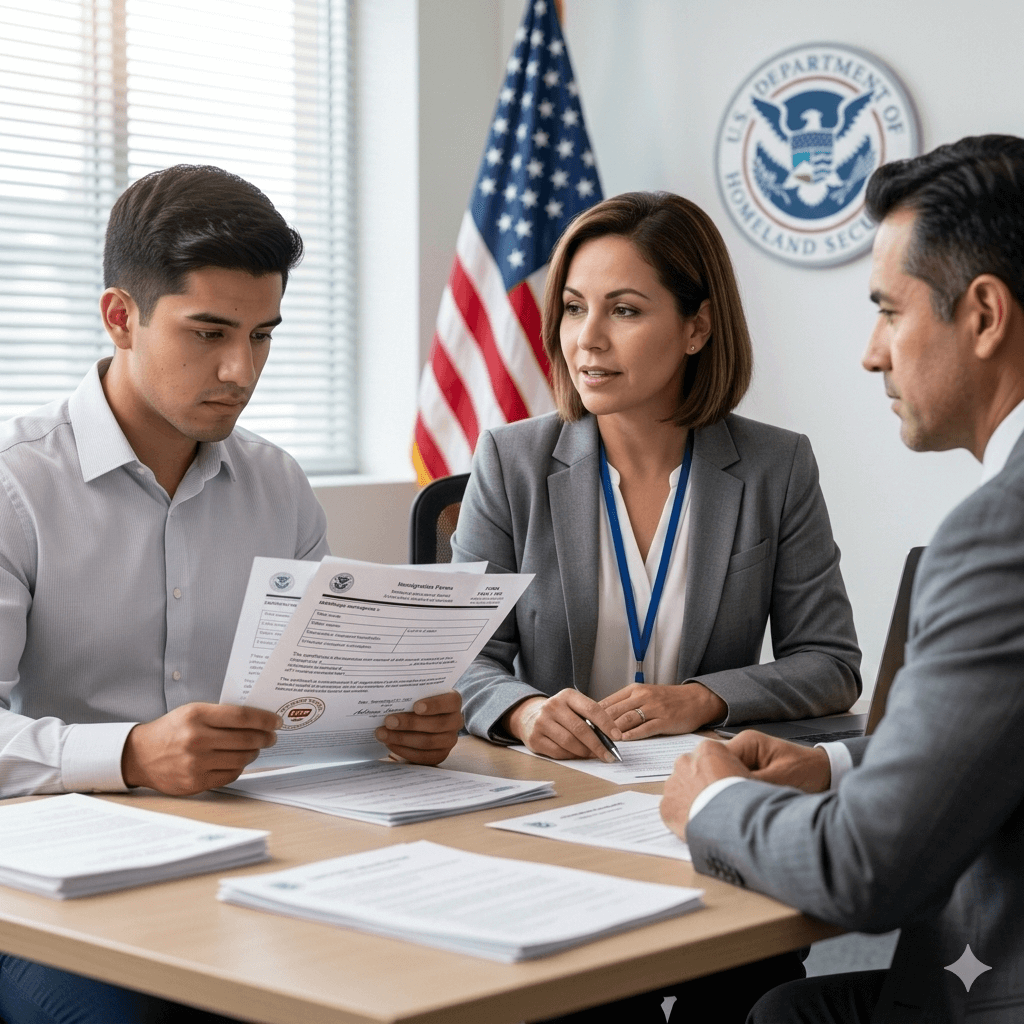
When Is a Translator Necessary for Immigration Interviews?
Immigration interviews are often conducted in the official language of the country, which may not be your first language. For those who are not proficient in English (or another official language), having a translator can help ensure that you fully understand the questions being asked and can provide accurate responses.
1. Language Barrier
If English (or the official language) is not your native language and you’re not confident in your ability to communicate effectively, a translator becomes essential. Misunderstanding a question or providing inaccurate information could lead to complications or delays in your immigration process.
2. Required by Immigration Authorities
In some cases, immigration authorities will require you to have a translator if they believe there is a risk of misunderstanding or miscommunication. This is especially important for certain legal or complex cases where precise language is crucial.
3. Legal Rights and Accuracy
Even if a translator is not explicitly required, you might want one to protect your legal rights. Using a translator ensures that your statements are accurately conveyed, helping avoid any misunderstandings that could jeopardize your case.
How to Find a Translator for Your Immigration Interview
Finding the right translator for your immigration interview is crucial. The translator must not only be proficient in both languages but also understand the specific terminology used in immigration law. Here’s how you can go about finding a qualified translator:
1. Certified Translators
Look for certified translators who specialize in immigration documents. These professionals have undergone training and certification, ensuring they are well-versed in legal and technical language. A certified translator can ensure that both the spoken and written translation is accurate and accepted by immigration authorities.
2. Legal and Immigration Experience
Ensure that the translator has experience working with legal documents or in immigration settings. Translating for immigration interviews involves more than just language proficiency; it requires familiarity with legal terminology and the specific demands of the immigration process.
3. Agencies and Translation Services
You can contact professional translation agencies that specialize in immigration services. These agencies typically offer translators with the right qualifications and experience, and they can help you find someone who understands the nuances of the interview process.
4. Language-Specific Services
If your interview involves less common languages, make sure the translator is fluent in both your native language and the language required for the interview. Look for services that can offer a translator fluent in rare dialects or languages.

Benefits of Hiring a Translator for Your Immigration Interview
Hiring a translator for your immigration interview can bring several key benefits, ensuring a smoother and more accurate process.
1. Clear Communication
A translator bridges the gap between you and the immigration officer, allowing you to express yourself clearly and accurately. This ensures that you can fully understand the questions posed to you and respond appropriately.
2. Reducing Misunderstandings
Even a minor misunderstanding can lead to delays or complications in your immigration case. A professional translator can help avoid such errors by providing an accurate interpretation of what’s being said.
3. Enhancing Legal Compliance
Your immigration interview is a legal process, and providing incorrect or misunderstood answers can have serious consequences. With a translator, you reduce the risk of misrepresentation or confusion, which could potentially affect the outcome of your application.
4. Increased Confidence
Knowing that you have a qualified translator with you will likely ease any anxiety. With a professional by your side, you can feel confident that you will be understood, which can help you perform better during the interview.
What to Expect During an Immigration Interview with a Translator
If you’re hiring a translator for your immigration interview, there are a few things you can expect:
- Interpreter Introduction: The translator will be introduced at the beginning of the interview and will act as a neutral party to facilitate communication between you and the immigration officer.
- Confidentiality Agreement: The translator may be required to sign a confidentiality agreement, ensuring that all information shared during the interview remains private.
- Translation Process: Throughout the interview, the translator will listen to the questions and translate them into your language. They will then translate your responses back into the official language.
FAQ Section
1. Do I have to bring my own translator to the immigration interview?
In most cases, you are responsible for arranging your own translator. However, if you’re unsure, you should confirm the requirements with the immigration office ahead of time.
2. Can I use a family member as my translator?
While family members can translate, it’s often better to hire a professional translator to avoid any potential bias or misunderstanding. Some immigration authorities may even require professional translators.
3. How much does a translator cost for an immigration interview?
The cost of hiring a translator varies depending on the language and the duration of the interview. On average, you can expect to pay between $50 to $150 per hour for a professional translator.
4. What qualifications should my translator have?
Your translator should be certified and experienced in legal translations, preferably with experience in immigration-related work. Certification ensures the translator’s skills and reliability.
5. Can I use an online translator for my immigration interview?
While online translation tools can help with basic translations, they are not suitable for legal or official purposes. It’s best to use a certified human translator who can provide accurate and reliable translations.
