
If you’re preparing documents for U.S. immigration, this question comes up constantly: can a notary public translate a birth certificate?
The short, practical reality is this: a notary public is not required to translate your birth certificate, and in most cases, they shouldn’t.
This guide explains exactly when a notary can be involved, when they cannot, and what type of translation is actually accepted—so you don’t risk delays, rejections, or costly rework.
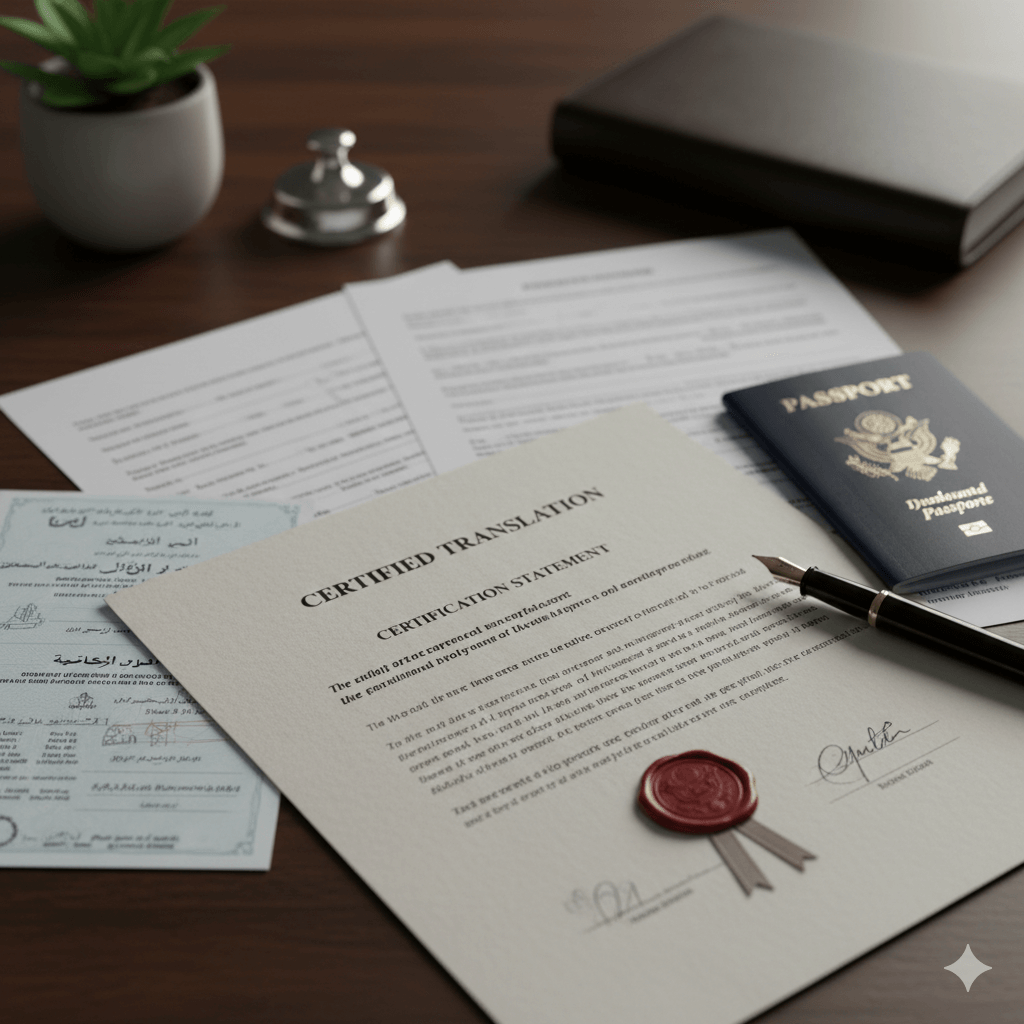
What USCIS Actually Requires for Birth Certificate Translations
US immigration authorities do not require notarisation for translations. Instead, they require something far more specific.
A translated birth certificate must:
- Be a complete and accurate translation of the original document
- Include a signed certification statement
- Be certified by a competent translator (not necessarily a notary)
The certification must confirm that:
- The translator is fluent in both languages
- The translation is true and complete
That’s it. No stamp. No seal. No notarial wording required.
What a Notary Public Can—and Cannot—Do
What a Notary Can Do
A notary public can:
- Verify the identity of a signer
- Witness a signature
- Notarise an affidavit or declaration
A notary does not verify accuracy, fluency, or translation quality.
What a Notary Cannot Do
A notary public:
- Is not automatically qualified to translate
- Cannot certify linguistic accuracy
- Does not make a translation “official” for immigration purposes
Unless the notary is also a professional translator fluent in both languages, they should not be translating your birth certificate.
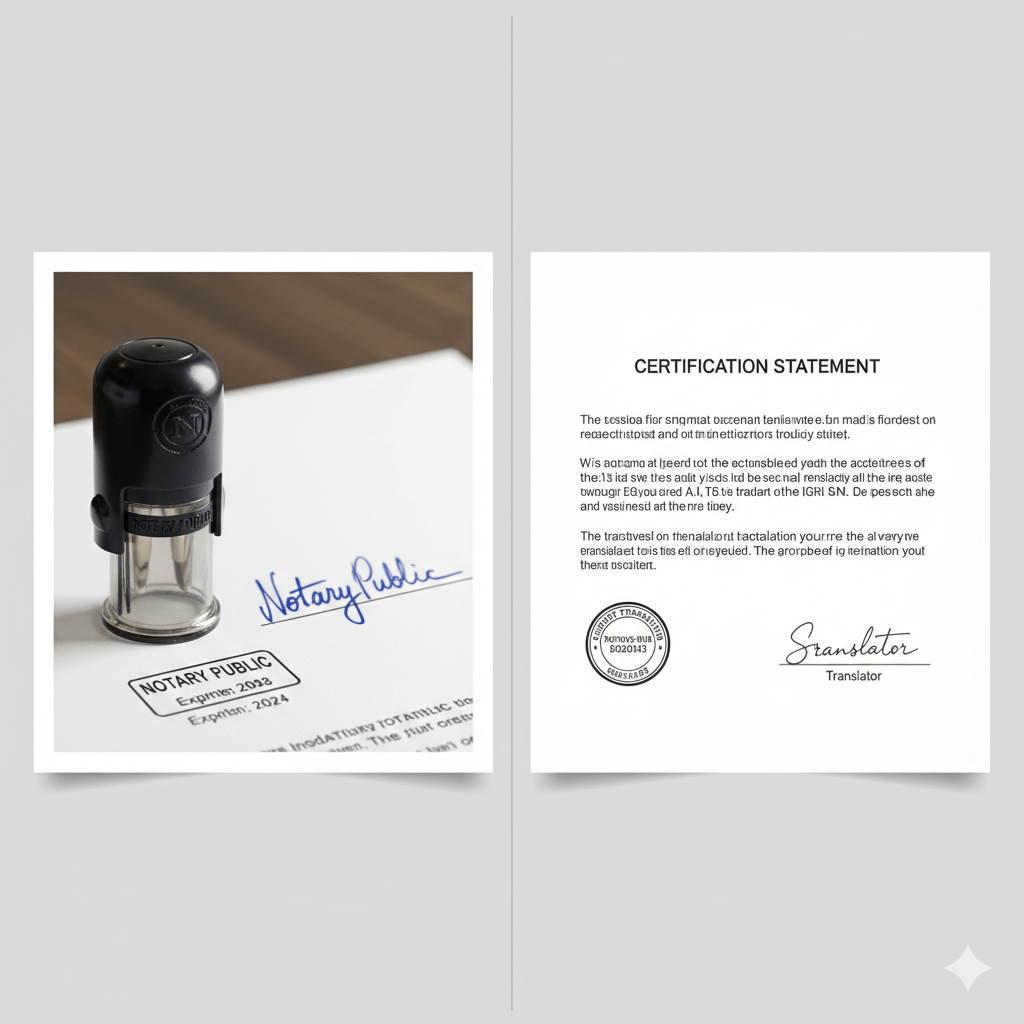
Why Notarised Translations Are Often Misunderstood
Many people assume a notary stamp adds authority. For U.S. immigration, that assumption is wrong.
A notarised translation:
- Is not required by USCIS
- Does not replace a proper certification statement
- Can create confusion if the translator’s declaration is missing or unclear
In fact, USCIS officers routinely approve certified translations without any notarisation at all.
The Right Way to Translate a Birth Certificate for Immigration
Certified Translation (What You Actually Need)
A compliant birth certificate translation includes:
- Full translation of all text, stamps, and annotations
- Translator’s signed certification statement
- Translator’s name, signature, and date
This is the format USCIS expects and accepts.
When Notarisation Might Be Useful
There are limited situations where notarisation may help, such as:
- Foreign government requests outside the U.S.
- Court proceedings that explicitly request notarised affidavits
- Non-immigration legal use
Even then, notarisation applies to the translator’s signature, not the translation itself.
Common Scenarios Explained
“My notary says they can translate it”
Unless they are also a qualified translator, this puts your application at risk.
“I already have a notarised translation—will USCIS accept it?”
Only if it includes a proper certification statement confirming accuracy and fluency.
“The birth certificate is handwritten or old”
That’s fine. As long as everything visible is translated accurately, it’s acceptable.
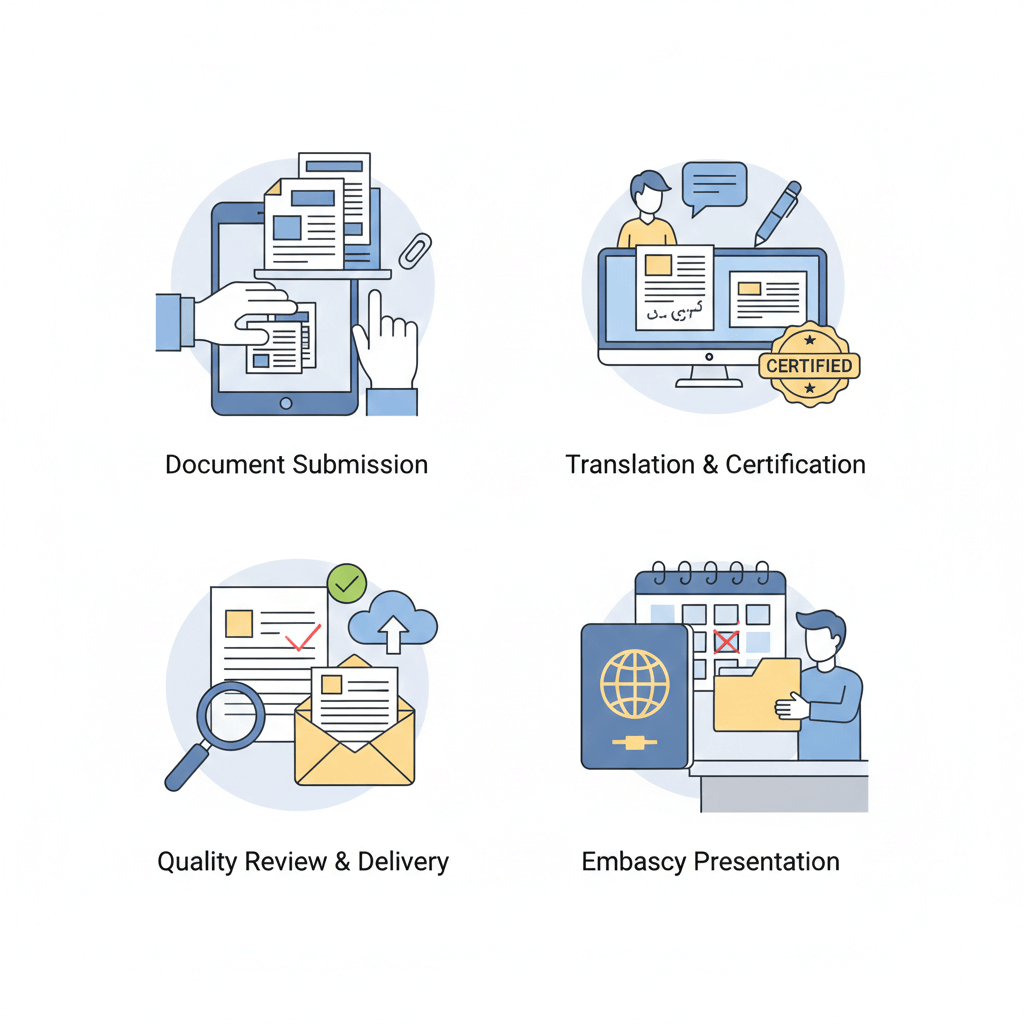
What Happens If You Submit the Wrong Type of Translation?
Submitting an incorrect or incomplete translation can lead to:
- Requests for Evidence (RFEs)
- Processing delays
- Rejection of supporting documents
These delays can push timelines back by weeks or months.
A Safer, Faster Approach
Using a professional service that specialises in immigration translations ensures:
- Correct certification language
- Full compliance with USCIS expectations
- No unnecessary notarisation
- Faster approvals with fewer follow-ups
Thousands of applicants make the same mistake by relying on stamps instead of standards.
Frequently Asked Questions
Can a notary public translate a birth certificate for USCIS?
No. USCIS does not require or expect notarised translations. The translation must be certified by a competent translator.
Does a birth certificate translation need to be notarised?
No. Notarisation is optional and generally unnecessary for U.S. immigration purposes.
Can a bilingual notary translate my birth certificate?
Only if they are acting as a translator and provide a proper certification statement. The notary role alone is not sufficient.
What is a certified translation?
A certified translation includes a signed declaration confirming accuracy and the translator’s fluency in both languages.
Will USCIS reject a notarised translation?
USCIS may reject it if the required certification statement is missing or unclear—regardless of notarisation.
