
Table of Contents
ToggleUnderstanding Form I-601A and Its Importance
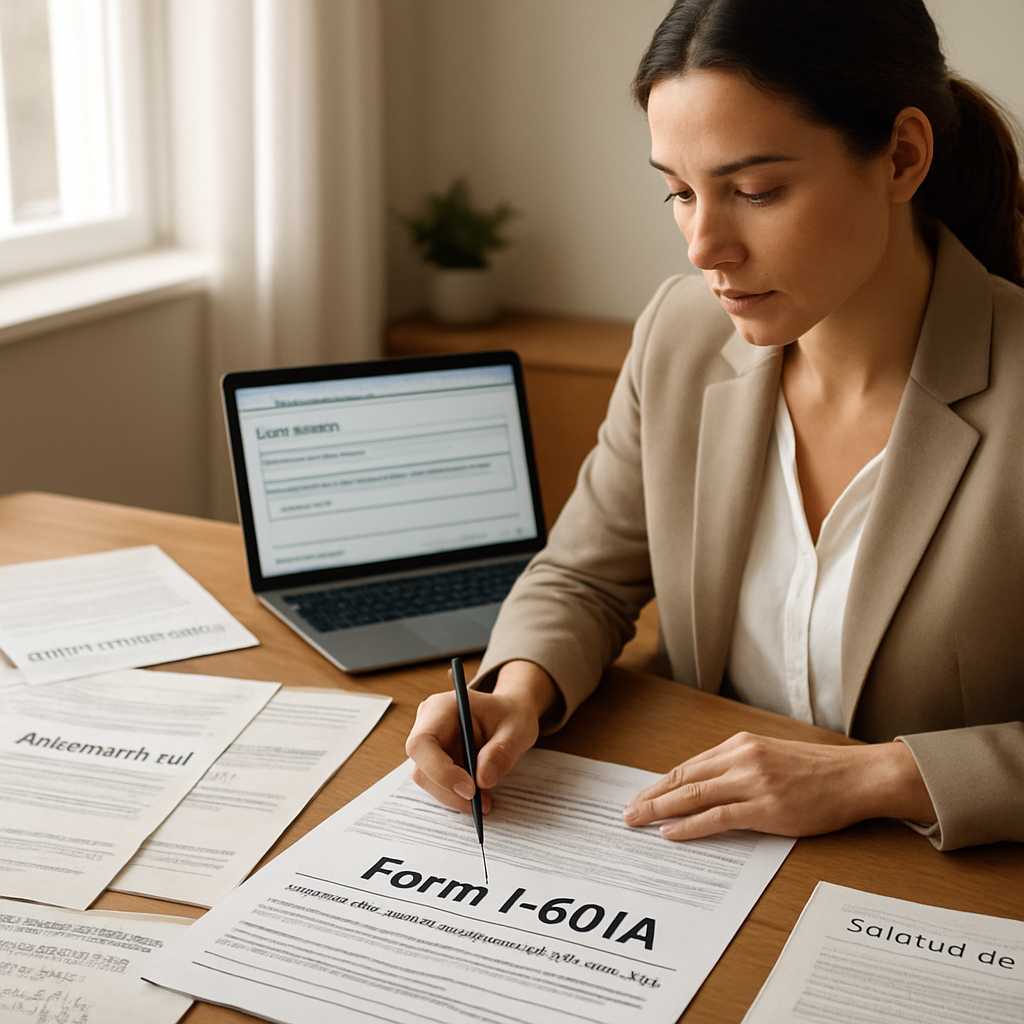
The Form I-601A, or Provisional Unlawful Presence Waiver, is a critical document for individuals seeking to waive certain grounds of inadmissibility before applying for a visa. This waiver allows applicants to remain in the U.S. while their application is processed, significantly reducing the time spent outside the country. However, the success of this application heavily relies on the accuracy and completeness of the supporting documents, including translations.
Why a Translation Checklist is Essential
When filing Form I-601A, it is crucial to ensure that all documents in a foreign language are accurately translated into English. A well-structured translation checklist helps avoid common pitfalls that can lead to Requests for Evidence (RFEs) or even denials. Below is a comprehensive translation checklist tailored for Form I-601A filings.
Essential Documents to Include
- Birth certificates
- Marriage certificates
- Divorce decrees
- Criminal records
- Financial documents
Translation Requirements
Each document must meet specific translation requirements to be accepted by USCIS:
- Certified Translations: All translations must be certified, meaning they are done by a qualified translator who can attest to the accuracy of the translation.
- Translation Certificate: A certificate of translation should accompany each document, stating that the translation is complete and accurate to the best of the translator’s knowledge.
- Formatting: Ensure that the translated document mirrors the original in format, including any stamps or seals.
Common Mistakes to Avoid
To enhance the chances of approval, be mindful of these common translation mistakes:
- Inaccurate translations that misrepresent the original document.
- Omitting vital information or sections from the original document.
- Failing to include a certification statement from the translator.
Steps to Ensure Accurate Translations
1. Choose a Qualified Translator
Select a translator experienced in immigration documents and familiar with USCIS requirements. Consider using services that offer authorized translation.
2. Review Translations Thoroughly
After receiving the translations, review them for accuracy and completeness. It may be beneficial to have a second translator or an immigration attorney review the documents.
3. Prepare the Translation Certificate
Ensure that each translation includes a certificate that states the translator’s qualifications and the accuracy of the translation.
FAQs About Form I-601A Translations
What documents need to be translated for Form I-601A?
All supporting documents in a foreign language must be translated, including birth certificates, marriage certificates, and any legal documents.
Do translations need to be certified for USCIS?
Yes, all translations submitted to USCIS must be certified by a qualified translator.
How can I avoid RFEs related to translations?
Ensure all translations are accurate, complete, and accompanied by a certification statement to minimize the risk of RFEs.
Can I translate my own documents for Form I-601A?
While you can translate your own documents, it is highly recommended to use a professional translator to ensure compliance with USCIS standards.
Conclusion
Filing Form I-601A requires meticulous attention to detail, especially regarding translations. By following this translation checklist and ensuring all documents are accurately translated and certified, applicants can significantly improve their chances of a successful waiver application. For professional translation services, consider reaching out to our team for assistance.
