
Attending a B2 visitor visa interview can be stressful—especially if English is not your strongest language. Many applicants worry about misunderstanding questions or giving incomplete answers, which can affect the outcome of their application. The good news is that it is possible to request a translator for a B2 visa interview, provided you follow the correct process and understand the rules.
This guide explains exactly how to request a translator for a B2 visa interview, who qualifies, what languages are allowed, what to expect on interview day, and how to prepare your documents properly so nothing works against you.
Understanding the Translator Rules for B2 Visa Interviews
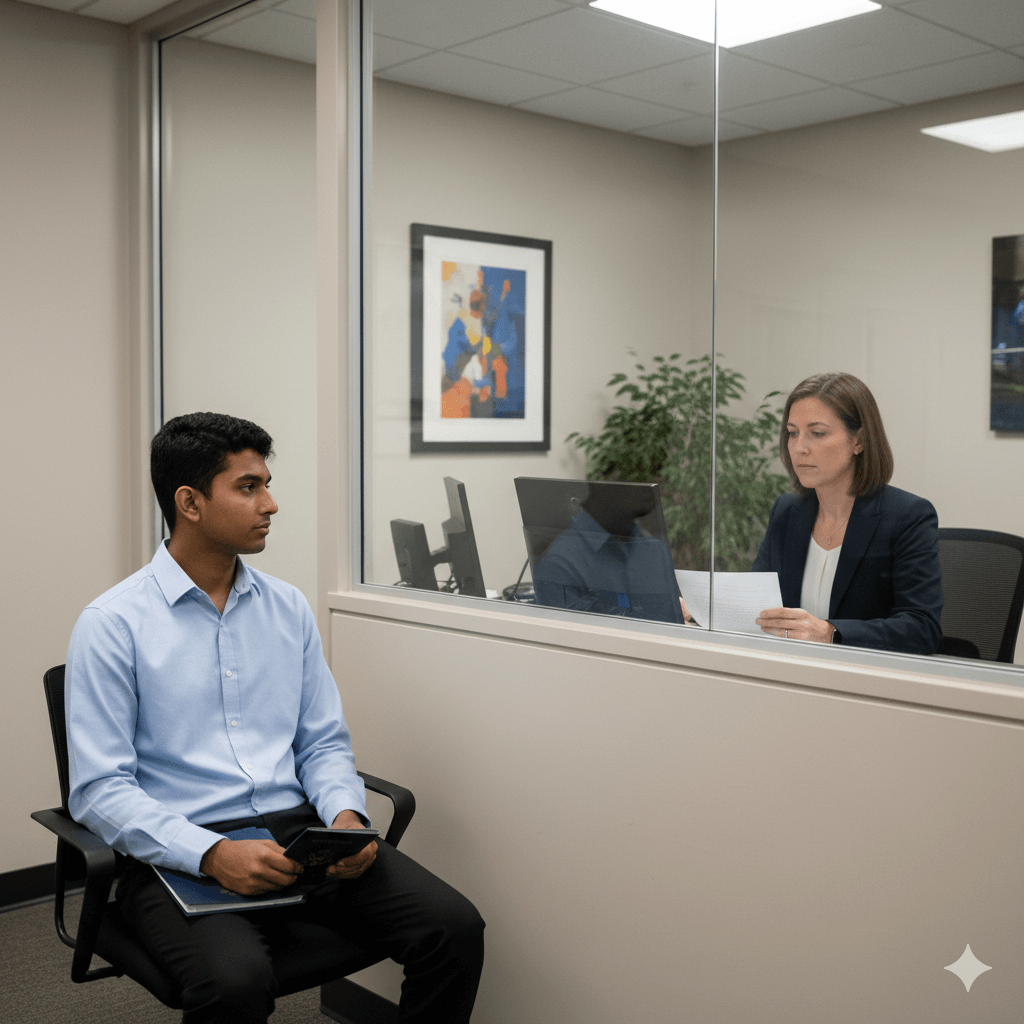
A B2 visa interview is conducted by a U.S. consular officer, and the interview itself is considered a legal and official proceeding. Because of this, translation rules are strict and must be followed carefully.
Who Provides the Translator?
In most cases, the U.S. embassy or consulate does not automatically provide translators for B2 visa interviews. Applicants are typically responsible for requesting permission to use a translator or confirming whether the consulate can accommodate the request internally.
The availability of translators depends on:
- The embassy or consulate location
- The language requested
- Staffing capacity on the interview date
When You Should Request a Translator
You should request a translator if you are not comfortable answering detailed questions in English, particularly about:
- Travel purpose
- Financial situation
- Ties to your home country
- Previous U.S. travel history
Even small misunderstandings can lead to refusals, delays, or requests for additional documentation.
How to Request a Translator for a B2 Visa Interview
Step 1: Check the Embassy’s Language Policy
Each U.S. embassy sets its own language policies. Some accept interviews only in English and the local language, while others allow additional languages with prior approval.
Start by reviewing your specific embassy’s interview language guidelines.
Step 2: Make the Request During DS-160 or Appointment Booking
When completing your DS-160 form or scheduling your interview, look for:
- Language preference fields
- Special accommodation requests
- Additional notes or comments sections
If no option appears, proceed to the next step.
Step 3: Contact the Embassy Directly
Send a formal request to the embassy or consulate where your interview will take place. Your request should include:
- Full name (as on passport)
- DS-160 confirmation number
- Interview appointment date
- Language requested
- Reason for needing a translator
Keep your request factual and concise. Avoid emotional language.
Step 4: Wait for Written Confirmation
Never assume a translator will be allowed without written confirmation. Bring a printed copy of the approval email to your interview.
Can You Bring Your Own Translator?
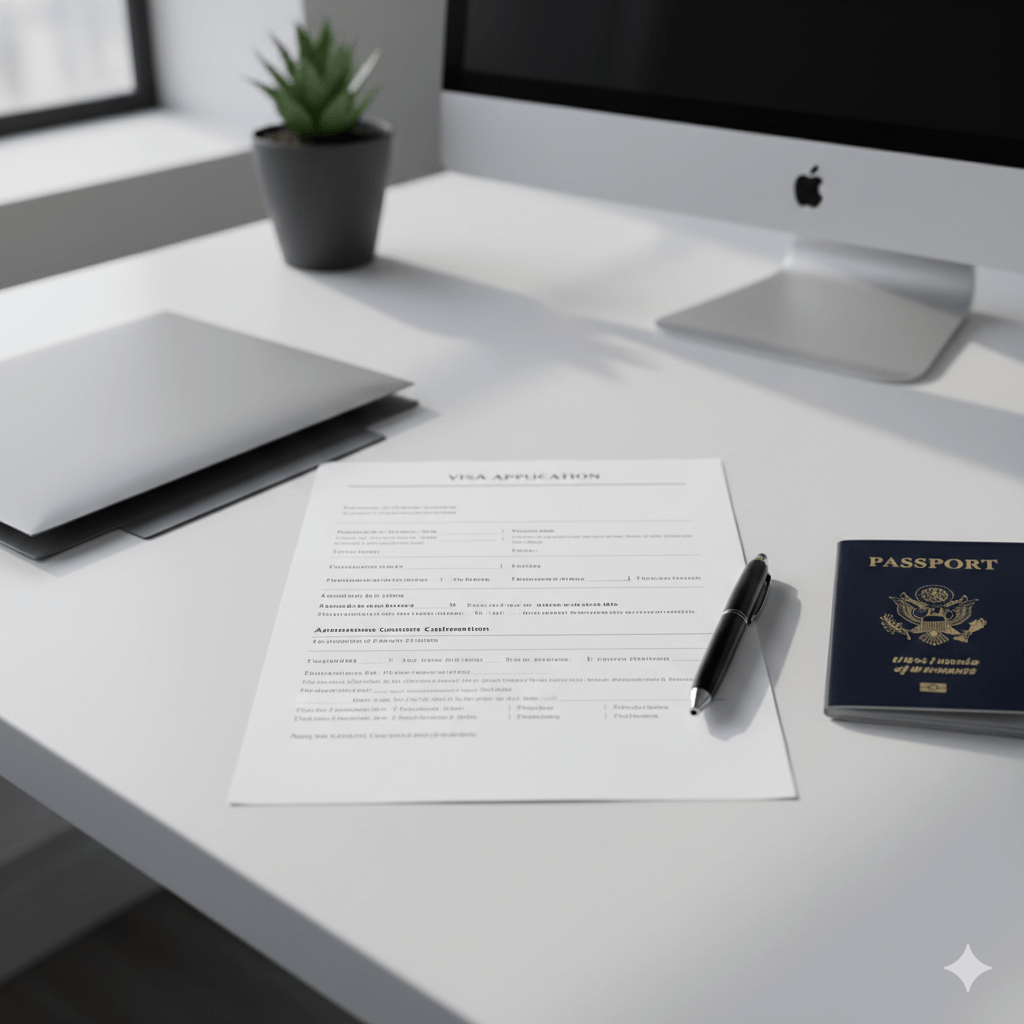
In most B2 visa cases, bringing your own translator is not allowed. Friends, relatives, or travel agents are almost always prohibited from acting as interpreters.
If a private translator is permitted in rare circumstances, the translator must:
- Be professionally qualified
- Have no personal relationship with you
- Not influence or rephrase answers
Always obtain written approval before attempting this.
Languages Commonly Accepted at B2 Interviews
While availability varies by location, commonly supported languages include:
- Spanish
- French
- Arabic
- Mandarin
- Russian
Less common languages may require special approval and longer processing times.
What Happens During the Interview With a Translator
The interpreter’s role is strictly limited to word-for-word translation. They cannot:
- Explain questions
- Coach answers
- Clarify intent
The consular officer will still assess:
- Your credibility
- Consistency of answers
- Supporting documents
You remain fully responsible for the accuracy of your responses.
Document Translation: A Critical but Often Missed Step
Even if a translator is approved for the interview, all supporting documents not in English must be translated separately.
This includes:
- Bank statements
- Employment letters
- Invitation letters
- Property documents
- Travel records
Untranslated or improperly translated documents can lead to delays or refusal.
A professional certified translation ensures:
- Accuracy
- Acceptance by U.S. officials
- Consistency with your verbal answers
Common Reasons Translator Requests Are Denied
Translator requests may be denied if:
- The requested language is unavailable
- The applicant has sufficient English proficiency
- The request was submitted too late
- The translator does not meet neutrality requirements
If denied, the interview will proceed in English or the embassy’s default language.
What to Do If Your Translator Request Is Refused
If your request is refused:
- Do not argue on interview day
- Proceed with the interview as instructed
- Focus on short, clear answers
- Use translated documents to support responses
Properly prepared certified translations can significantly reduce risk in this scenario.
Practical Interview Preparation Tips
- Practice answering common B2 questions aloud
- Review your DS-160 line by line
- Ensure documents match your spoken answers
- Bring both original documents and certified translations
Applicants who prepare thoroughly often perform better—even without a translator.
Frequently Asked Questions
Can I request a translator on the day of the interview?
No. Translator requests must be submitted and approved in advance.
Does requesting a translator affect visa approval?
No. Requesting a translator does not negatively affect your application.
Are family members allowed to translate?
No. Family members and friends are not permitted to act as translators.
What if my documents are not in English?
All non-English documents must be translated before the interview.
Is a notarized translation required?
Notarization is not required, but certified translations are strongly recommended.
