
Table of Contents
ToggleUnderstanding Adoption Decrees
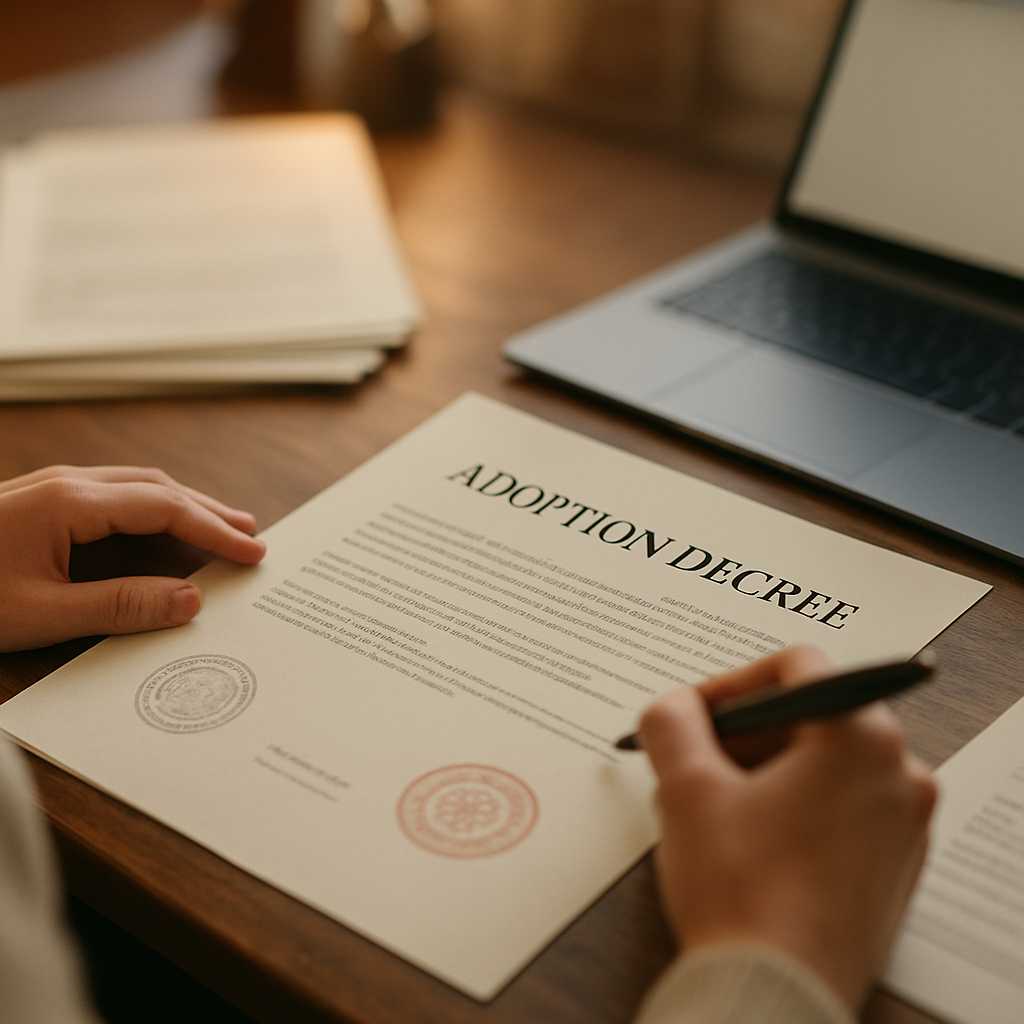
An adoption decree is a legal document that finalizes the adoption process, granting parental rights to the adoptive parents. This document is crucial for various legal and immigration purposes, especially when dealing with USCIS. Understanding how to translate an adoption decree correctly is essential to ensure that all information is accurately conveyed and accepted by authorities.
Why Accurate Translation is Important
When translating an adoption decree, accuracy is paramount. Errors or omissions can lead to delays in processing, requests for further evidence (RFEs), or even denials of applications. A certified translation ensures that the document meets the requirements set by USCIS and other legal entities.
Common Uses of Adoption Decree Translations
- Immigration applications
- Legal proceedings
- School enrollment
- Healthcare access
How to Translate an Adoption Decree Correctly
1. Format of the Translation
The format of the translated adoption decree should closely mirror the original document. This includes maintaining the layout, font, and any headings or sections. Here are some tips:
- Use a clear, legible font.
- Maintain the original document’s structure.
- Include page numbers if applicable.
2. Seals and Stamps
Many adoption decrees contain official seals or stamps. It is crucial to translate these elements accurately:
- Include a description of the seal or stamp in the translation.
- Ensure that any official titles or names are translated correctly.
3. Notes and Additional Information
Sometimes, additional notes are included in the adoption decree. These may provide context or additional legal information. Make sure to:
- Translate all notes verbatim.
- Provide explanations for any legal terms that may not have direct translations.
Best Practices for Translation
Avoiding Common Mistakes
To ensure a high-quality translation, consider the following:
- Double-check for omissions—every detail matters.
- Have the translation reviewed by a professional translator familiar with legal documents.
- Use a certified translation service to guarantee compliance with USCIS standards.
Examples of Adoption Decree Translations
When looking for examples of adoption decree translations, refer to certified translation services that specialize in legal documents. This can provide insight into the expected format and content.
Frequently Asked Questions
What is an adoption decree translation example?
An adoption decree translation example typically includes the original text alongside the translated text, showcasing the format and accuracy required for legal documents.
How do I translate stamps and seals on an adoption decree?
Translate stamps and seals by providing a description in the translation, ensuring that all official titles and names are accurately represented.
What are the complete translation standards for USCIS?
USCIS requires that translations be certified, accurate, and complete, with no omissions or alterations from the original document.
What layout tips should I follow for translating legal documents?
Maintain the original document’s layout, use clear fonts, and ensure that all sections are clearly labeled in the translation.
How can I avoid omissions in my translation?
Carefully review the original document and the translation, and consider having a second translator review the work to catch any potential omissions.
Conclusion
Translating an adoption decree correctly is vital for ensuring that the document is accepted by legal and immigration authorities. By following the guidelines outlined in this article, you can ensure that your translation meets all necessary standards and avoids common pitfalls.
For professional assistance, consider our Certified Translation of Adoption Decree for U.S. Immigration Filings service to ensure compliance and accuracy.
