
Table of Contents
ToggleUnderstanding Guardianship Orders
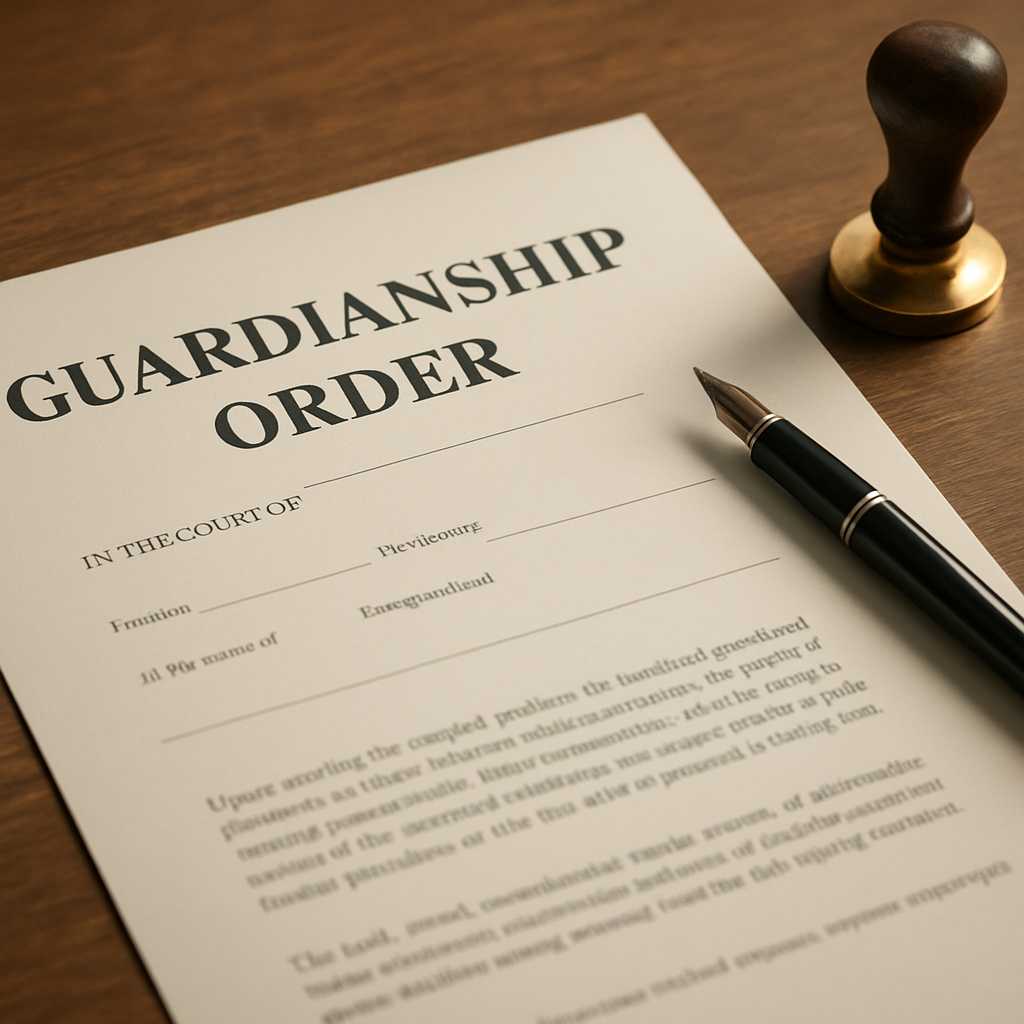
A guardianship order is a legal document that grants an individual the authority to make decisions on behalf of another person, typically a minor or someone unable to care for themselves. When dealing with guardianship orders in a different language, it is crucial to ensure that the translation is accurate and meets legal requirements.
Why Accurate Translation Matters
Translating a guardianship order correctly is vital for several reasons:
- Legal Compliance: Courts and legal entities require precise translations to uphold the integrity of the document.
- Preventing Misunderstandings: Inaccurate translations can lead to misinterpretations, potentially affecting the guardianship arrangement.
- Facilitating Legal Processes: Proper translations expedite legal proceedings, ensuring that all parties understand their rights and responsibilities.
How to Translate a Guardianship Order Correctly
1. Format of the Translation
The format of the translated guardianship order should mirror the original document as closely as possible. This includes:
- Maintaining the original layout and structure.
- Using the same headings and sections as in the original document.
- Including any relevant annotations or notes that appear in the original.
2. Seals and Stamps
Many guardianship orders contain official seals or stamps. When translating these documents, it is essential to:
- Include images of the seals in the translation.
- Provide a description of the seals, if necessary, to clarify their significance.
- Ensure that any notary or official stamps are accurately represented in the translated document.
3. Notes and Additional Information
When translating a guardianship order, consider adding notes to clarify specific terms or legal jargon. This can help the reader understand the context better. For example:
- Define legal terms that may not have direct translations.
- Provide context for the guardianship arrangement, if applicable.
4. Avoiding Omissions
Omissions can lead to significant issues in legal contexts. To avoid this:
- Review the original document thoroughly before translating.
- Cross-check the translation against the original to ensure all information is included.
- Utilize professional translation services to minimize the risk of errors.
Guardianship Order Translation Example
To illustrate the process, consider a hypothetical guardianship order:
“This order grants Jane Doe the authority to make medical and educational decisions for John Smith, born on January 1, 2010.”
In translating this, ensure that the names, dates, and legal terms are accurately reflected in the target language.
Conclusion
Translating a guardianship order correctly is crucial for legal compliance and clarity. By following the outlined steps regarding format, seals, and notes, you can ensure that your translation meets the necessary standards. For professional assistance, consider using our Certified Translation of Guardianship Order for U.S. Immigration Filings.
FAQs
What is a guardianship order?
A guardianship order is a legal document that designates an individual to make decisions for another person, often due to incapacity.
Why is it important to translate a guardianship order correctly?
Accurate translation ensures legal compliance and prevents misunderstandings in guardianship arrangements.
What should I include in the translation of a guardianship order?
Include the original format, seals, and any necessary notes to clarify legal terms.
Can I translate a guardianship order myself?
While you can, it is advisable to use professional services to ensure accuracy and compliance with legal standards.
