
Table of Contents
ToggleUnderstanding the Importance of Translating an Argentina Residence Permit
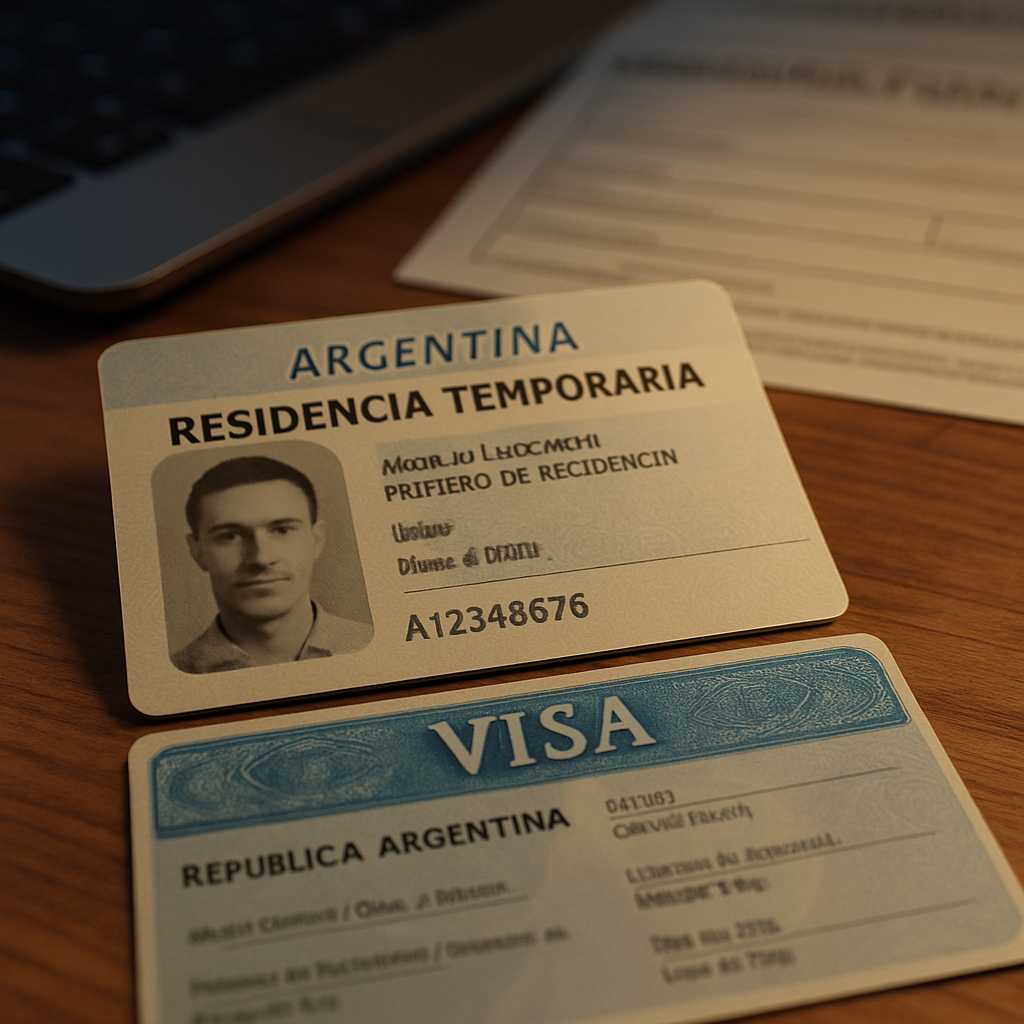
When applying for immigration benefits in the United States, one of the critical documents you may need to submit is your Argentina residence permit or visa sticker. These documents serve as proof of your legal residency in Argentina and are essential for establishing your identity and immigration status. Accurate translation of these documents is crucial, as any discrepancies can lead to delays or denials in your application process.
Translating an Argentina residence permit for immigration filing involves more than just converting text from Spanish to English. It requires a thorough understanding of the document’s context, legal terminology, and the specific requirements set forth by immigration authorities. In this article, we will explore the nuances of translating these documents and provide you with the necessary insights to ensure a smooth immigration process.
What is an Argentina Residence Permit?
An Argentina residence permit is an official document issued by the Argentine government that allows foreign nationals to reside in the country legally. This permit can be temporary or permanent, depending on the individual’s circumstances. The document typically includes personal information such as the holder’s name, date of birth, nationality, and the duration of the permit.
In addition to the residence permit, you may also encounter other related documents, such as visa stickers and entry stamps. Each of these documents plays a vital role in your immigration case file and must be accurately translated to meet the requirements of U.S. immigration authorities.
Key Components of an Argentina Residence Permit
When translating an Argentina residence permit, it is essential to understand its key components:
- Personal Information: This includes the holder’s full name, date of birth, nationality, and gender.
- Permit Type: Indicates whether the permit is temporary or permanent.
- Issue Date and Expiration Date: These dates are crucial for determining the validity of the permit.
- Authority Issuing the Permit: This section specifies the government agency responsible for issuing the document.
- Signature and Seal: The presence of an official signature and seal adds authenticity to the document.
Why Accurate Translation is Crucial for Immigration Filing
Accurate translation of your Argentina residence permit is vital for several reasons:
- Compliance with USCIS Requirements: The U.S. Citizenship and Immigration Services (USCIS) mandates that all foreign language documents submitted as part of an immigration application must be accompanied by a certified translation.
- Avoiding Delays and Denials: Inaccurate translations can lead to requests for evidence (RFEs) or outright denials of your application, prolonging your immigration process.
- Legal Validity: A certified translation ensures that your documents are legally recognized and accepted by immigration authorities.
How to Translate an Argentina Residence Permit for Immigration Filing
Translating an Argentina residence permit involves several steps:
1. Choose a Certified Translation Service
Select a reputable translation service that specializes in immigration documents. Ensure that the translators are certified and have experience with legal terminology.
2. Provide Clear Copies of Your Documents
Submit high-quality copies of your residence permit and any related documents. Ensure that all text is legible and that any seals or signatures are visible.
3. Specify the Purpose of the Translation
Inform the translation service that the translation is for immigration filing. This will help them understand the context and ensure that the translation meets USCIS standards.
4. Review the Translation
Once you receive the translation, review it for accuracy. If possible, have a bilingual individual check the translation against the original document.
5. Obtain Certification
Request a certification statement from the translation service, confirming that the translation is accurate and complete. This certification is essential for USCIS submissions.
Common Mistakes to Avoid When Translating an Argentina Residence Permit
To ensure a smooth immigration process, avoid these common mistakes:
- Using Non-Certified Translators: Only certified translations are accepted by USCIS.
- Ignoring Legal Terminology: Legal terms must be translated accurately to avoid misinterpretation.
- Overlooking Formatting: Maintain the original document’s formatting to ensure clarity and authenticity.
Additional Documents That May Require Translation
In addition to the Argentina residence permit, you may need to translate other documents for your immigration filing:
- Visa Stickers: These are affixed to your passport and indicate your legal entry into Argentina.
- Entry Stamps: Stamps in your passport that show your travel history and legal status in Argentina.
- Passport Inserts: Any additional information or documentation included with your passport.
Frequently Asked Questions
1. Do I need to translate my Argentina residence permit for USCIS?
Yes, all foreign language documents must be translated into English and certified when submitting to USCIS.
2. How long does it take to translate an Argentina residence permit?
The translation process typically takes 1-3 business days, depending on the service provider and the complexity of the document.
3. Can I translate my own residence permit?
USCIS requires that translations be performed by a certified translator. Self-translations are not accepted.
4. What is a certified translation?
A certified translation includes a signed statement from the translator affirming the accuracy of the translation and is often required for legal documents.
5. What happens if my translation is inaccurate?
Inaccurate translations can lead to RFEs or denials of your immigration application, causing delays in your process.
Conclusion
Translating an Argentina residence permit or visa sticker for immigration filing is a critical step in the immigration process. By ensuring that your documents are accurately translated and certified, you can avoid unnecessary delays and complications. For professional translation services that meet USCIS requirements, consider reaching out to experts who specialize in immigration document translation.
