
Table of Contents
ToggleUnderstanding the Importance of Certified Translation
In today’s globalized world, the need for certified translations has become increasingly significant, especially for official documents such as national ID cards. A certified translation ensures that the translated document is an accurate representation of the original, which is crucial for legal and administrative purposes. This is particularly true for individuals looking to migrate, study, or work abroad, where the authenticity of identity documents is paramount.
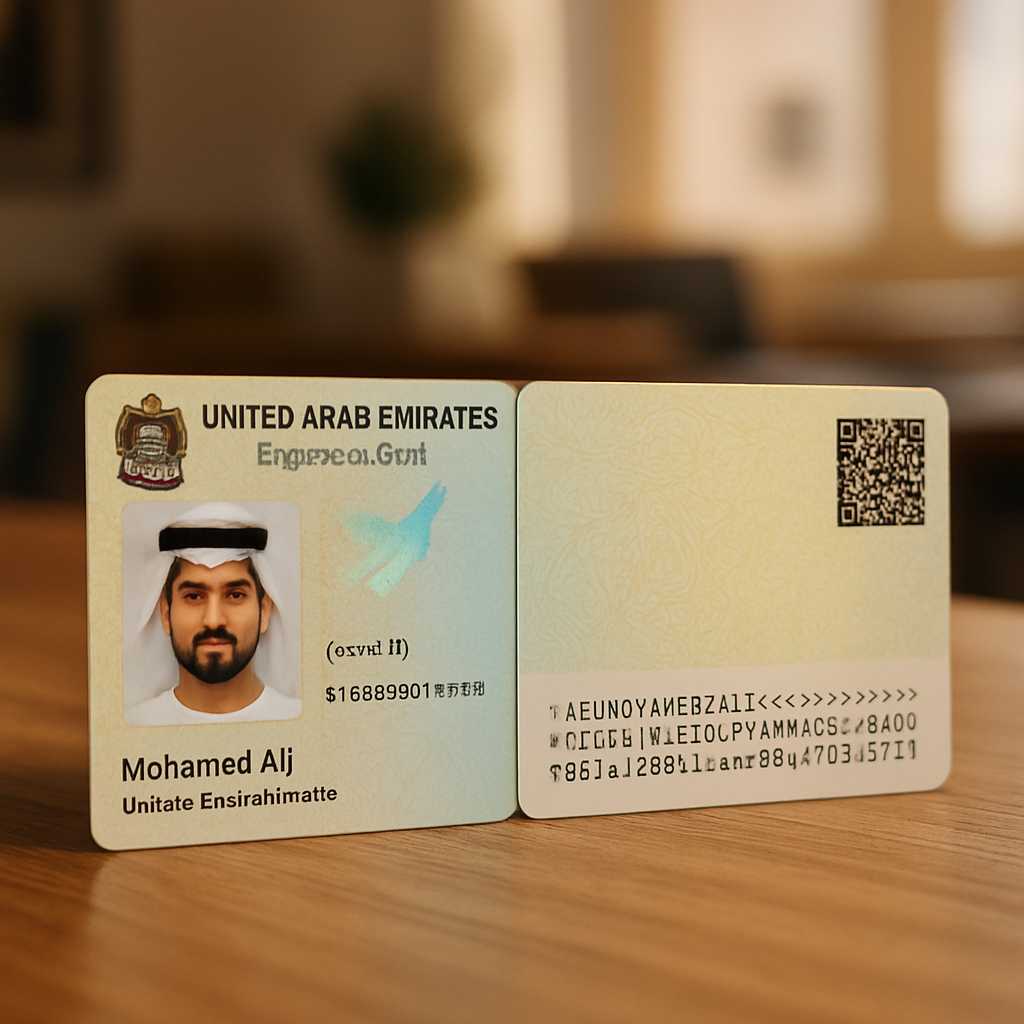
The United Arab Emirates (UAE) national ID card serves as a vital identity document for residents and citizens alike. It contains essential personal information, including the holder’s name, date of birth, nationality, and a unique identification number. When submitting this document for immigration, legal, or educational purposes, a certified translation is often required to ensure that authorities can accurately assess the information.
What is a Certified Translation?
A certified translation is a translation that comes with a signed statement from the translator or translation agency, affirming that the translation is a true and accurate representation of the original document. This certification is crucial for documents submitted to government agencies, educational institutions, and legal entities, as it provides assurance of the translation’s accuracy and reliability.
In the case of the UAE national ID card, the certified translation must include both the front and back of the card. This ensures that all relevant information is conveyed, including any security features or additional data that may be present on the reverse side.
Why You Need a Certified Translation of Your UAE National ID Card
When applying for visas, residency permits, or educational opportunities in foreign countries, you may be required to submit a certified translation of your UAE national ID card. Here are some reasons why this is essential:
- Legal Compliance: Many countries require certified translations for official documents to ensure compliance with local laws and regulations.
- Accuracy: A certified translation guarantees that the information on your ID card is accurately conveyed, reducing the risk of misunderstandings or errors during processing.
- Credibility: Submitting a certified translation enhances your credibility with immigration authorities, educational institutions, and employers.
How to Obtain a Certified Translation of Your UAE National ID Card
Obtaining a certified translation of your UAE national ID card involves several steps:
1. Choose a Reputable Translation Service
Select a translation agency that specializes in certified translations and has experience with UAE documents. Look for agencies that are accredited and have positive reviews from previous clients.
2. Provide the Original Document
Submit a clear copy of both the front and back of your UAE national ID card to the translation agency. Ensure that the document is legible and free from any damage that could obscure important information.
3. Specify Your Requirements
Inform the translation agency of any specific requirements for the translation, such as formatting or additional certifications needed for submission to a particular authority.
4. Review the Translation
Once the translation is complete, review it carefully to ensure that all information is accurately represented. If you notice any discrepancies, communicate with the agency for corrections.
5. Receive the Certified Translation
The translation agency will provide you with the certified translation, which should include a signed statement of accuracy. Ensure that it meets the requirements of the authority to which you are submitting it.
Formatting Checklist for Your Certified Translation
When preparing for the certified translation of your UAE national ID card, consider the following formatting checklist:
- Ensure that both sides of the ID card are included in the translation.
- Check that the translation is formatted similarly to the original document.
- Verify that all personal information is accurately translated, including names, dates, and identification numbers.
- Include any official seals or logos that may appear on the original document.
- Confirm that the certification statement is included and properly signed.
Submission Tips for Your Certified Translation
When submitting your certified translation, keep these tips in mind:
- Follow Guidelines: Adhere to any specific submission guidelines provided by the authority requesting the translation.
- Include Supporting Documents: If required, submit additional documents alongside your certified translation, such as a copy of the original ID card.
- Check Deadlines: Be aware of any deadlines for submission to ensure timely processing of your application.
Common Mistakes to Avoid When Translating Your UAE National ID Card
To ensure a smooth translation process, avoid these common mistakes:
- Neglecting to include both sides of the ID card in the translation.
- Choosing an unqualified translator or agency without proper accreditation.
- Failing to review the translation for accuracy before submission.
Frequently Asked Questions
1. What is the cost of a certified translation of a UAE national ID card?
The cost can vary depending on the translation agency and the complexity of the document. It’s advisable to request quotes from multiple agencies.
2. How long does it take to get a certified translation?
Typically, certified translations can take anywhere from a few hours to several days, depending on the agency’s workload and the urgency of your request.
3. Can I translate my own UAE national ID card?
It is generally not advisable to translate your own documents for official purposes. Certified translations must be done by a qualified translator or agency.
4. Is a notarized translation the same as a certified translation?
No, a notarized translation is a different process. A certified translation includes a statement of accuracy from the translator, while a notarized translation involves a notary public verifying the identity of the translator.
5. What should I do if I need corrections after receiving my certified translation?
If you find errors in your certified translation, contact the translation agency immediately to request corrections. Most reputable agencies will provide revisions at no additional cost.
Conclusion
Obtaining a certified translation of your United Arab Emirates national ID card is a crucial step in ensuring that your identity is accurately represented in official documents. By following the outlined steps and avoiding common pitfalls, you can facilitate a smooth translation process and enhance your credibility with authorities. For professional assistance, consider reaching out to a certified translation service that specializes in UAE documents.
