
Table of Contents
ToggleUnderstanding the Importance of Immunization Card Translation
Translating an immunization card correctly is crucial for various purposes, including immigration, education, and healthcare. An accurate translation ensures that the information is understood by authorities and healthcare providers in the U.S. This article will guide you through the essential aspects of translating an immunization card, including format, seals, and important notes.
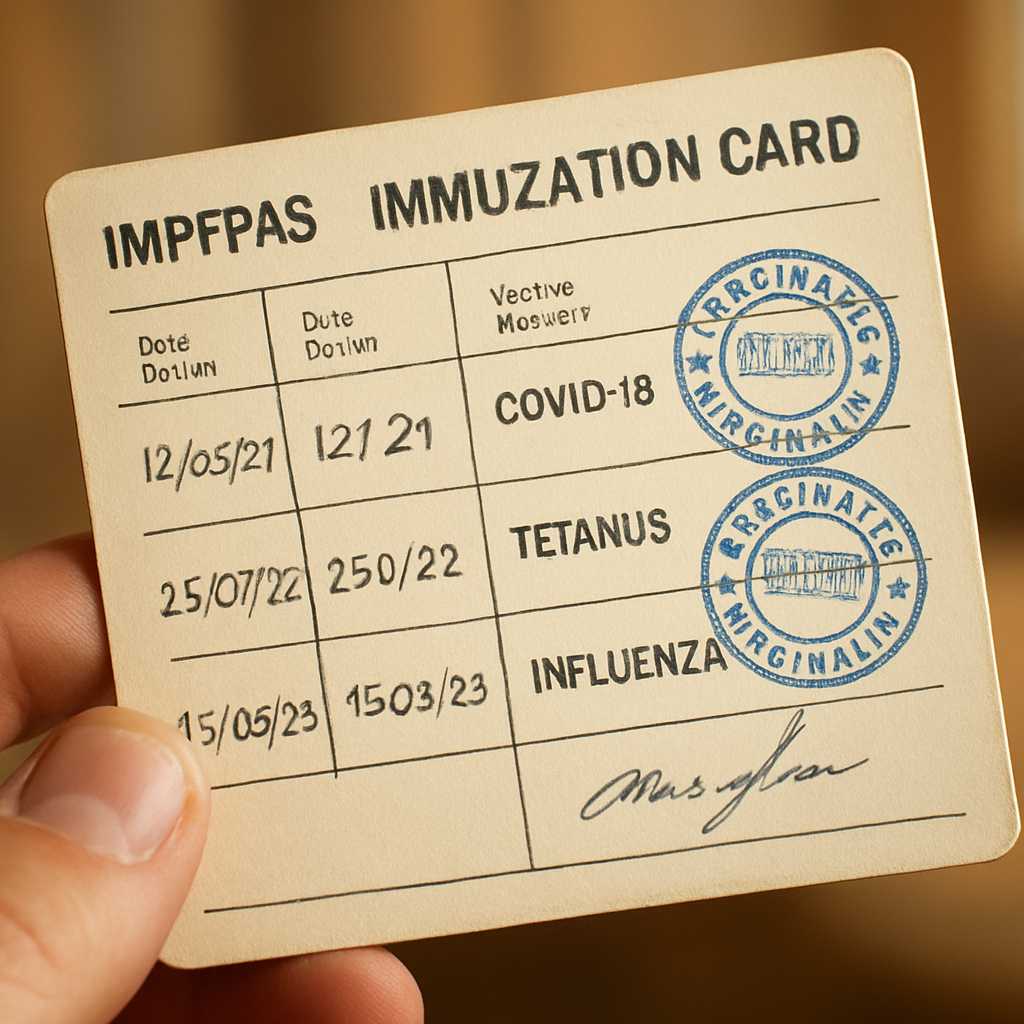
Key Elements of an Immunization Card
An immunization card typically contains several key elements:
- Personal Information: Name, date of birth, and identification number.
- Vaccination Details: Names of vaccines, dates administered, and the administering healthcare provider.
- Seals and Stamps: Official seals or stamps from healthcare providers or institutions.
Format of the Translation
When translating an immunization card, it is essential to maintain the original format as closely as possible. This includes:
- Layout: Keep the layout similar to the original document to ensure clarity.
- Font and Size: Use a legible font and size that matches the original.
- Language Consistency: Ensure that the translation is consistent in terminology and style.
Translating Stamps and Seals
Stamps and seals are critical components of an immunization card. Here’s how to handle them:
- Translation of Seals: Include a description of the seal in the translation, indicating its purpose and origin.
- Placement: Place the translation of the seal near the original seal for reference.
Common Mistakes to Avoid
When translating an immunization card, be mindful of the following common mistakes:
- Omissions: Ensure that no information is left out, including dates and vaccine names.
- Incorrect Terminology: Use accurate medical terminology to avoid misunderstandings.
- Formatting Errors: Maintain the original document’s layout to ensure clarity.
Example of a Correctly Translated Immunization Card
Here’s a brief example of how to present a correctly translated immunization card:
Original: Measles, Mumps, Rubella (MMR) Vaccine – Administered on 01/15/2020
Translation: Vacuna contra el sarampión, las paperas y la rubéola (MMR) – Administrada el 15/01/2020
Conclusion
Translating an immunization card correctly is essential for ensuring that your medical history is accurately represented. By following the guidelines outlined in this article, you can avoid common pitfalls and ensure a high-quality translation. For professional assistance, consider utilizing our Certified Translation of Immunization Card for U.S. Immigration Filings.
FAQs
1. What is the best way to translate an immunization card?
The best way to translate an immunization card is to use a certified translation service that understands the specific requirements for immigration and healthcare documentation.
2. Do I need to translate stamps and seals on my immunization card?
Yes, it is important to translate stamps and seals as they provide authenticity and verification of the vaccination records.
3. Can I translate my own immunization card?
While you can translate your own immunization card, it is recommended to use a certified translator to ensure accuracy and compliance with official requirements.
4. What should I do if my immunization card is in a foreign language?
If your immunization card is in a foreign language, you should seek a certified translation service to ensure it meets the necessary standards for use in the U.S.
5. How can I avoid omissions in my immunization card translation?
To avoid omissions, carefully review the original document and ensure that all information is included in the translation, including dates and vaccine names.
