
Table of Contents
ToggleUnderstanding the Importance of Accurate Travel Consent Letter Translations
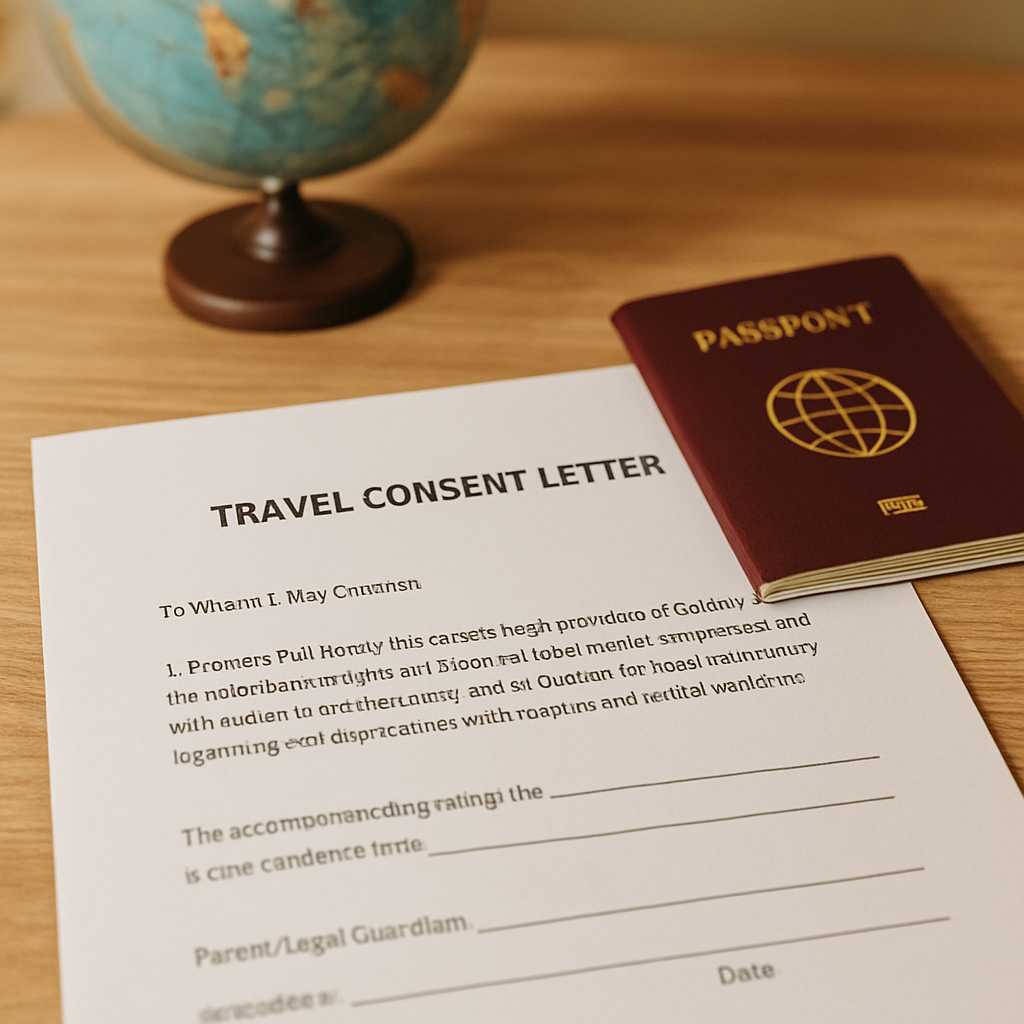
A travel consent letter is a crucial document for minors traveling without one or both parents. It serves to inform authorities that the child has permission to travel and is often required by airlines and border control. Given its significance, ensuring that the translation of this letter is accurate is paramount. Mistakes in translation can lead to delays, misunderstandings, and even RFEs (Requests for Evidence) from immigration authorities.
Common Travel Consent Letter Translation Mistakes to Avoid
Name Mismatches
One of the most frequent errors in translating a travel consent letter is the mismatch of names. This can occur due to:
- Incorrect Spelling: Ensure that names are spelled correctly in both the original and translated documents.
- Different Name Formats: Some cultures have different naming conventions. Be aware of these differences to avoid confusion.
Missing Pages
Another common mistake is submitting incomplete translations. Always verify that all pages of the original document are translated and included. Missing pages can lead to RFEs, as immigration officials may consider the submission incomplete.
Illegible Scans
Submitting illegible scans of the original document can hinder the translation process. Ensure that:
- The original document is clear and legible.
- Scans are high-quality and free from blurriness or distortion.
Wrong Terminology
Using incorrect terminology can change the meaning of the document. It’s essential to:
- Use industry-standard terms that are recognized by immigration authorities.
- Consult with a professional translator who specializes in legal documents.
Quality Checklist for Travel Consent Letter Translations
To ensure a high-quality translation, follow this checklist:
- Verify the accuracy of names and dates.
- Ensure all pages are translated and included.
- Check the legibility of the original document.
- Use appropriate legal terminology.
- Have the translation reviewed by a certified translator.
How to Avoid RFEs Related to Travel Consent Letter Translations
To minimize the risk of receiving an RFE, consider the following tips:
- Engage a professional translation service with experience in immigration documents.
- Request a certified translation to ensure compliance with USCIS requirements.
- Double-check all documents before submission to ensure completeness and accuracy.
Conclusion
Translating a travel consent letter requires attention to detail and an understanding of the specific requirements set by immigration authorities. By avoiding common mistakes and following a quality checklist, you can ensure that your translation is accurate and complete, reducing the likelihood of RFEs.
FAQs
What is a travel consent letter?
A travel consent letter is a document that grants permission for a minor to travel without one or both parents.
Why is accurate translation important for a travel consent letter?
Accurate translation is crucial to prevent misunderstandings and ensure compliance with immigration requirements.
What are common mistakes in translating a travel consent letter?
Common mistakes include name mismatches, missing pages, illegible scans, and wrong terminology.
How can I avoid RFEs when submitting a travel consent letter?
Engage a professional translation service and ensure all documents are complete and accurate.
Do I need a certified translation for a travel consent letter?
Yes, a certified translation is often required by immigration authorities to ensure validity.
