
Table of Contents
ToggleUnderstanding Form I-821D and Its Importance
Form I-821D, also known as the Deferred Action for Childhood Arrivals (DACA) request, is a critical document for individuals seeking protection from deportation in the United States. Properly completing this form is essential for a successful application, and this includes ensuring that all supporting documents are accurately translated.
Why a Translation Checklist is Essential
When filing Form I-821D, applicants often submit documents in languages other than English. To avoid delays or Requests for Evidence (RFEs), it is vital to follow a comprehensive translation checklist. This checklist ensures that all foreign language evidence is correctly translated and meets USCIS requirements.
Key Components of the Translation Checklist
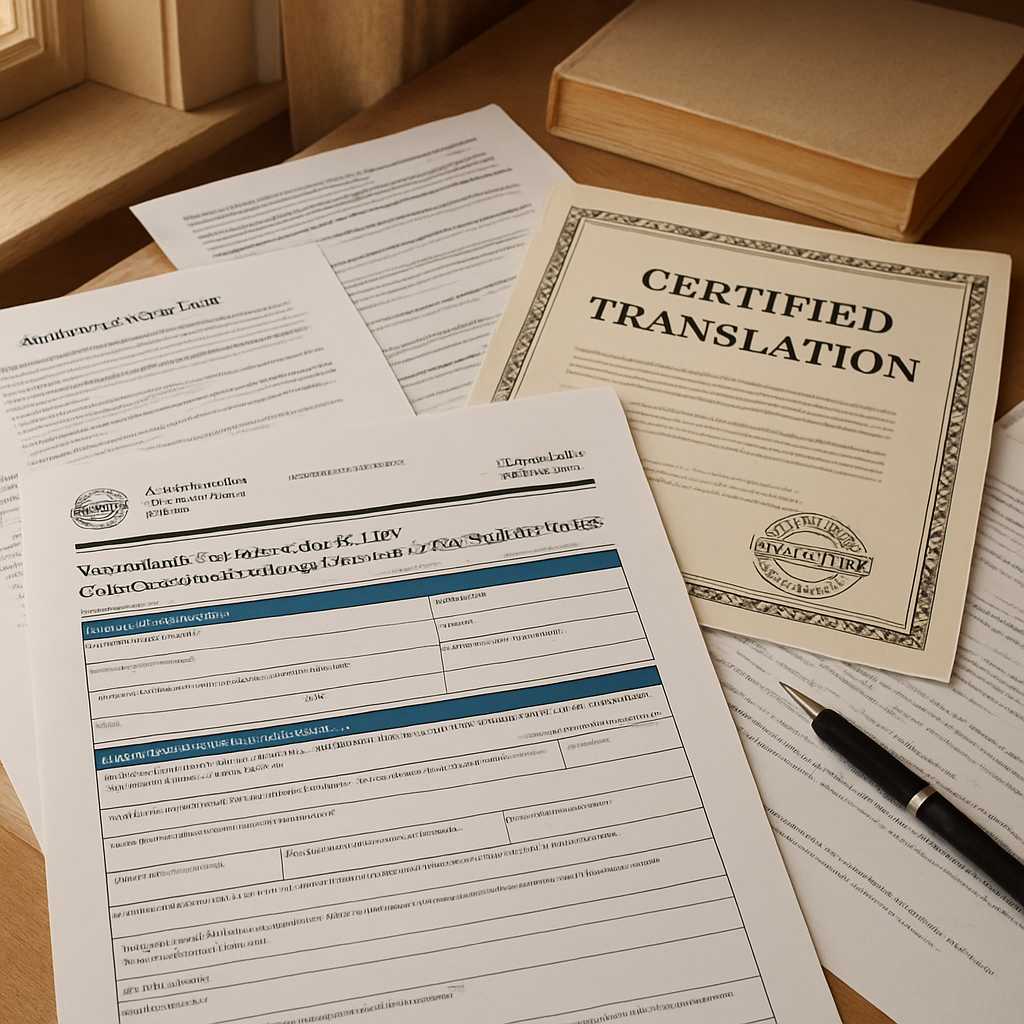
- Certified Translations: All translations must be certified. This means they should be completed by a professional translator who can attest to the accuracy of the translation.
- Translation Certificate: A certified translation must include a certificate of translation, which states that the translator is competent in both languages and that the translation is accurate.
- Supporting Documents: Common supporting documents include birth certificates, school records, and identification documents. Ensure each document is translated in full.
- Formatting Requirements: Translations should match the original document’s formatting, including any stamps or seals.
- Review for Accuracy: Double-check translations for errors or omissions that could lead to RFEs.
Steps to Ensure Proper Translations
1. Gather All Required Documents
Before starting the translation process, compile all necessary documents that need translation. This may include:
- Birth certificates
- School transcripts
- Employment records
2. Choose a Qualified Translator
Select a translator who is certified and experienced in immigration-related documents. Look for professionals who understand the specific requirements of USCIS.
3. Request a Translation Certificate
After the translation is complete, request a certificate of translation from the translator. This document is crucial for your application.
4. Review and Submit
Thoroughly review the translations and ensure they are included with your Form I-821D submission. Keep copies of all documents for your records.
Common Mistakes to Avoid
To ensure a smooth filing process, be aware of common translation mistakes that can trigger RFEs:
- Submitting unverified translations
- Omitting essential documents
- Failing to match formatting with original documents
FAQs About Translation for Form I-821D
What documents need to be translated for Form I-821D?
All supporting documents submitted in a foreign language must be translated, including birth certificates and school records.
Do I need a certified translation for Form I-821D?
Yes, all translations must be certified to meet USCIS requirements.
How can I ensure my translations are accurate?
Choose a qualified translator with experience in immigration documents and review translations for errors before submission.
What is a translation certificate?
A translation certificate is a document provided by the translator affirming the accuracy of the translation and their qualifications.
Can I translate my own documents for Form I-821D?
While you can translate your own documents, it is highly recommended to use a certified translator to avoid potential issues.
Conclusion
Filing Form I-821D requires careful attention to detail, especially when it comes to translations. By following this translation checklist, you can ensure that your application is complete and meets all USCIS requirements, minimizing the risk of delays or RFEs.
For professional translation services, contact us today to ensure your documents are accurately translated and certified.
