
Table of Contents
ToggleUnderstanding the I-360 Application
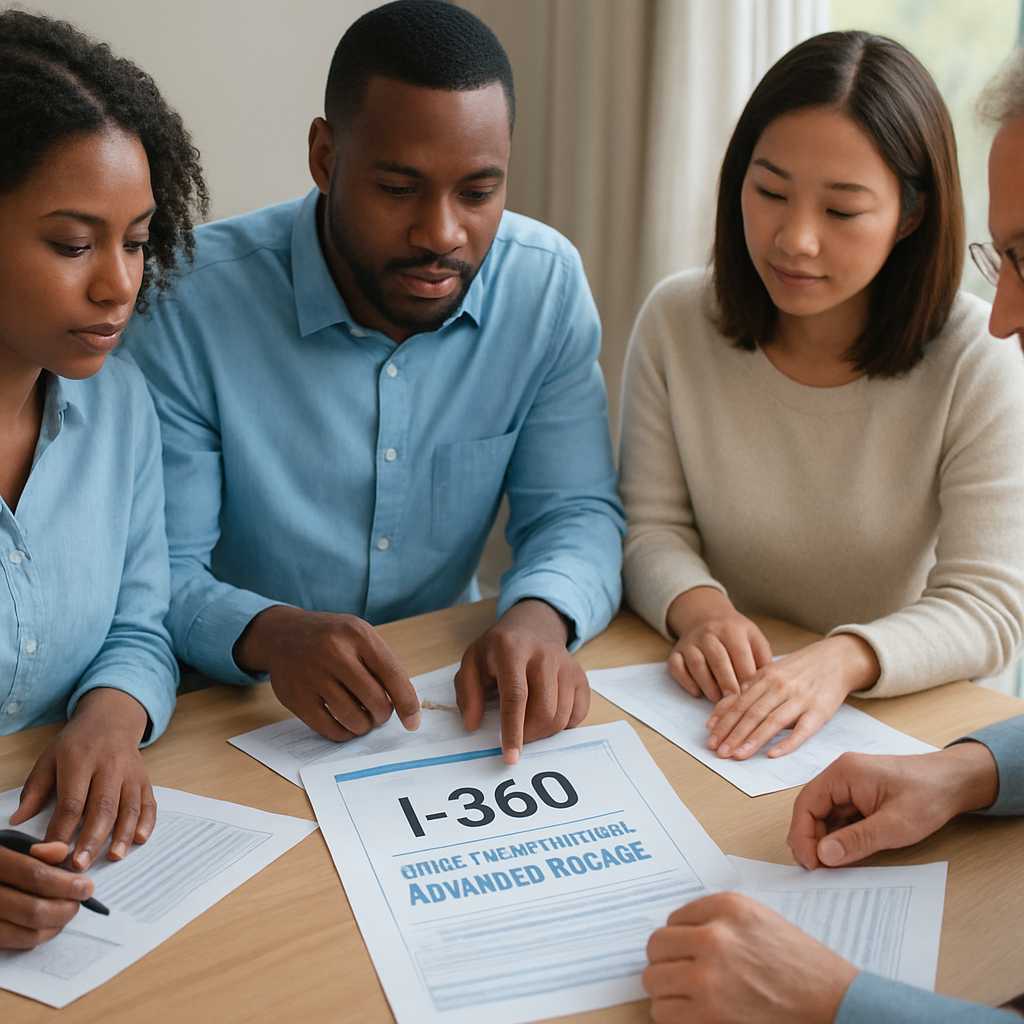
The I-360 form, also known as the Petition for Amerasian, Widow(er), or Special Immigrant, is a crucial document for individuals seeking special immigrant status under the Violence Against Women Act (VAWA). This petition allows eligible individuals to self-petition for immigration relief without the need for a U.S. citizen or lawful permanent resident spouse or parent to file on their behalf. When submitting an I-360 application, it is essential to ensure that all supporting documents are accurately translated into English if they are originally in a foreign language.
Which Documents Need Translation for I-360?
When preparing your I-360 application, you must include various supporting documents. Here’s a comprehensive list of documents that typically require translation:
- Personal Identification Documents: This includes birth certificates, marriage certificates, and divorce decrees.
- Evidence of Relationship: Documents proving your relationship to the U.S. citizen or lawful permanent resident, such as marriage licenses or affidavits.
- Proof of Abuse: This can include police reports, medical records, or court documents that substantiate claims of abuse.
- Affidavits: Personal statements from friends, family, or professionals who can attest to your situation.
- Immigration Documents: Any previous immigration filings or decisions that may be relevant to your case.
Importance of Certified Translation
USCIS requires that all foreign language documents submitted with your application be accompanied by a certified translation. A certified translation ensures that the translation is accurate and complete, and it must include a signed statement from the translator or translation service affirming their qualifications and the accuracy of the translation. This is crucial to avoid delays or denials in your application process.
Submission Tips for I-360 Applications
To ensure a smooth submission process for your I-360 application, consider the following tips:
- Use a Professional Translation Service: Opt for a reputable translation service that specializes in immigration documents to ensure compliance with USCIS requirements. For example, America Translation Agency offers expert services tailored for immigration needs.
- Double-Check Document Completeness: Ensure that all required documents are included and properly translated before submission.
- Keep Copies: Always retain copies of your original documents and translations for your records.
Frequently Asked Questions
1. Do all documents need to be translated for the I-360?
Yes, any document that is not in English must be translated and certified.
2. What is a certified translation?
A certified translation is a translation that comes with a signed statement from the translator affirming its accuracy and completeness.
3. Can I translate my own documents for the I-360?
USCIS does not allow applicants to translate their own documents. A professional translator must perform the translation.
4. How can I ensure my translations meet USCIS requirements?
Use a professional translation service that specializes in immigration documents to ensure compliance with USCIS standards.
5. What happens if I submit untranslated documents?
Submitting untranslated documents can lead to delays or denials of your application.
Conclusion
Understanding which documents need translation for the I-360 application is crucial for a successful submission. By ensuring that all required documents are accurately translated and certified, you can significantly enhance your chances of a smooth application process. For more information on certified translation services, visit our About Us page.
