
Table of Contents
ToggleUnderstanding the I-864 Affidavit of Support
The I-864 Affidavit of Support is a crucial document required by the U.S. Citizenship and Immigration Services (USCIS) to demonstrate that a sponsor can financially support an immigrant. This form is essential for family-based immigration and ensures that the immigrant will not become a public charge. However, when the sponsor or the immigrant has documents in a foreign language, these must be translated to meet USCIS requirements.
Which Documents Need Translation for I-864?
When preparing the I-864, certain supporting documents typically require translation. Here’s a detailed list of the most common documents that need to be translated:
- Birth Certificates: If the birth certificate is not in English, a certified translation is necessary.
- Marriage Certificates: Similar to birth certificates, marriage certificates must be translated if they are in a foreign language.
- Tax Returns: Any tax documents submitted as evidence of income should be translated if they are not in English.
- Employment Letters: Letters from employers verifying income and employment status must be translated if originally in another language.
- Bank Statements: Financial documents, including bank statements, should be translated to provide a clear picture of the sponsor’s financial situation.
- Divorce Decrees: If applicable, any divorce decrees must also be translated.
Importance of Certified Translation
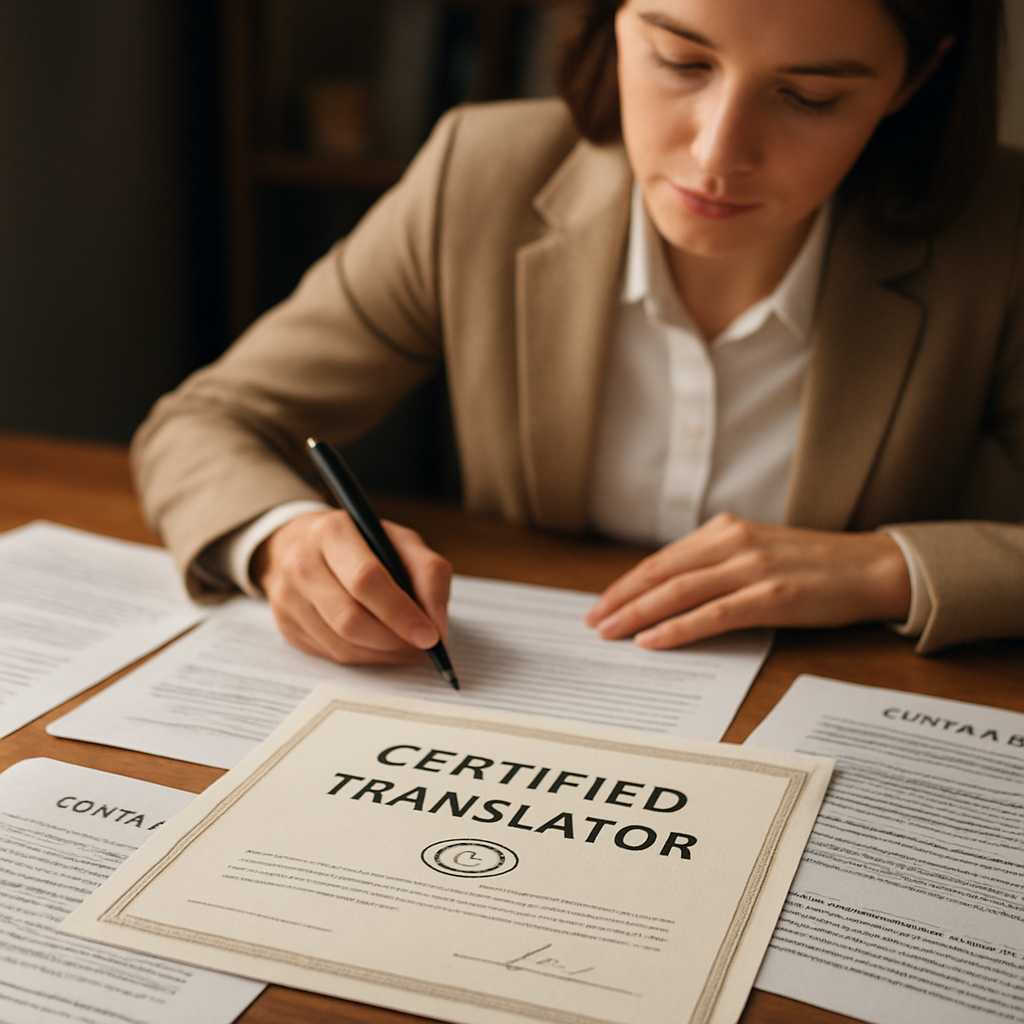
USCIS requires that all translations be certified. This means that the translator must provide a signed statement attesting that the translation is accurate and complete. Failure to provide certified translations can lead to delays or denials of the application.
Submission Tips for Translated Documents
When submitting your I-864 and supporting documents, consider the following tips:
- Ensure all translations are accompanied by a certificate of translation.
- Keep copies of both the original documents and the translations for your records.
- Organize documents neatly to facilitate the review process.
Common Mistakes to Avoid
Many applicants make mistakes that can jeopardize their applications. Here are some common pitfalls:
- Not using certified translators: Always use a qualified translator who can provide certification.
- Incomplete translations: Ensure that every part of the document is translated, including any stamps or seals.
- Ignoring formatting: Maintain the original document’s formatting in the translation to avoid confusion.
FAQs
1. Do all documents for I-864 need to be translated?
Not all documents need translation, only those that are not in English. Commonly, birth and marriage certificates, tax returns, and employment letters require translation.
2. What is a certified translation?
A certified translation is a translation accompanied by a signed statement from the translator affirming its accuracy and completeness.
3. Can I translate my own documents for USCIS?
USCIS does not allow applicants to translate their own documents. A qualified translator must perform the translation.
4. How do I find a certified translator?
You can find certified translators through professional translation services or agencies that specialize in immigration documents.
5. What happens if I submit untranslated documents?
Submitting untranslated documents can lead to delays in processing or denial of your application. Always ensure translations are provided for foreign language documents.
Conclusion
Understanding which documents need translation for the I-864 Affidavit of Support is essential for a successful immigration process. By ensuring that all necessary documents are accurately translated and certified, you can avoid common pitfalls and streamline your application. For professional translation services, consider reaching out to our team for assistance.
