
Table of Contents
ToggleUnderstanding the N-400 Application Process
The N-400 form is a crucial step for individuals seeking U.S. citizenship through naturalization. As part of this process, applicants must provide various supporting documents. However, if any of these documents are not in English, they must be translated. This article will guide you through which documents need translation for N-400 applications and provide essential tips for a successful submission.
Key Documents That Typically Require Translation
When applying for naturalization, the following documents often require translation:
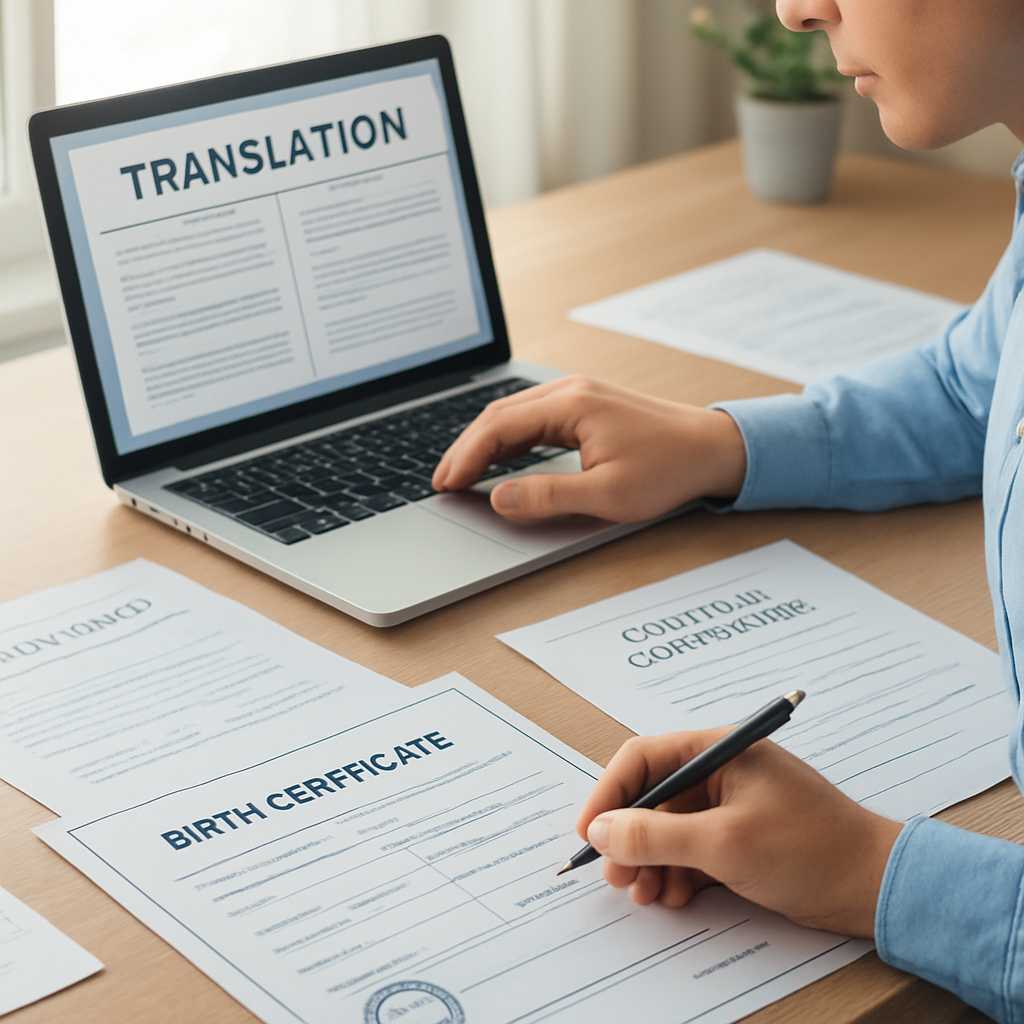
- Birth Certificates: If your birth certificate is in a foreign language, a certified translation is necessary. This document verifies your identity and age.
- Marriage Certificates: For applicants who are married, a marriage certificate in a foreign language must be translated to demonstrate marital status.
- Divorce Decrees: If applicable, divorce decrees must also be translated to provide clarity on your marital history.
- Criminal Records: Any criminal records from foreign jurisdictions need to be translated to assess your eligibility for citizenship.
- Military Records: If you served in the military outside the U.S., these records must be translated to verify your service.
- Legal Documents: Any legal documents relevant to your immigration status, such as adoption papers or custody agreements, must be translated.
Why Certified Translations Matter
USCIS requires that all translations be certified. A certified translation includes a signed statement from the translator affirming that the translation is accurate and complete. This certification is crucial as it ensures that the translations meet USCIS standards and helps avoid delays or rejections of your application.
Submission Tips for N-400 Applications
To ensure a smooth application process, consider the following tips:
- Use Professional Translation Services: Opt for a reputable translation service that specializes in USCIS documents. This ensures accuracy and compliance with USCIS requirements.
- Keep Original Documents: Always submit both the original documents and their translations. USCIS may request to see the originals for verification.
- Check for Completeness: Ensure that all required documents are included in your application packet. Missing documents can lead to delays.
- Follow USCIS Guidelines: Familiarize yourself with the USCIS N-400 checklist to ensure you meet all requirements.
Frequently Asked Questions
1. Do all documents need to be translated for the N-400?
No, only documents that are not in English need to be translated. However, it is essential to check the specific requirements for your application.
2. Can I translate my own documents for USCIS?
USCIS does not allow applicants to translate their own documents. You must use a certified translator to ensure compliance.
3. How long does it take to get documents translated?
The time for translation can vary based on the document’s complexity and the service used. It is advisable to allow ample time before your application deadline.
4. What if my documents are in multiple languages?
If your documents are in multiple languages, each section must be translated into English. Ensure that all parts are accurately translated and certified.
5. Is notarization required for translated documents?
USCIS does not require notarization for translations, but they must be certified by a qualified translator.
Conclusion
Understanding which documents need translation for the N-400 application is vital for a successful naturalization process. By ensuring that all necessary documents are accurately translated and certified, you can avoid potential delays and complications. For professional translation services, consider reaching out to our team for assistance.
