
Table of Contents
ToggleUnderstanding the I-485 Adjustment of Status Process
The I-485 form is a crucial step in the U.S. immigration process, allowing individuals to apply for lawful permanent resident status. As part of this process, applicants must submit various supporting documents, many of which may not be in English. Understanding which documents need translation for I-485 is essential to avoid delays or complications in your application.
Key Documents Requiring Translation
When preparing your I-485 application, it is vital to ensure that all foreign language documents are translated accurately. Here’s a comprehensive list of documents that typically require translation:
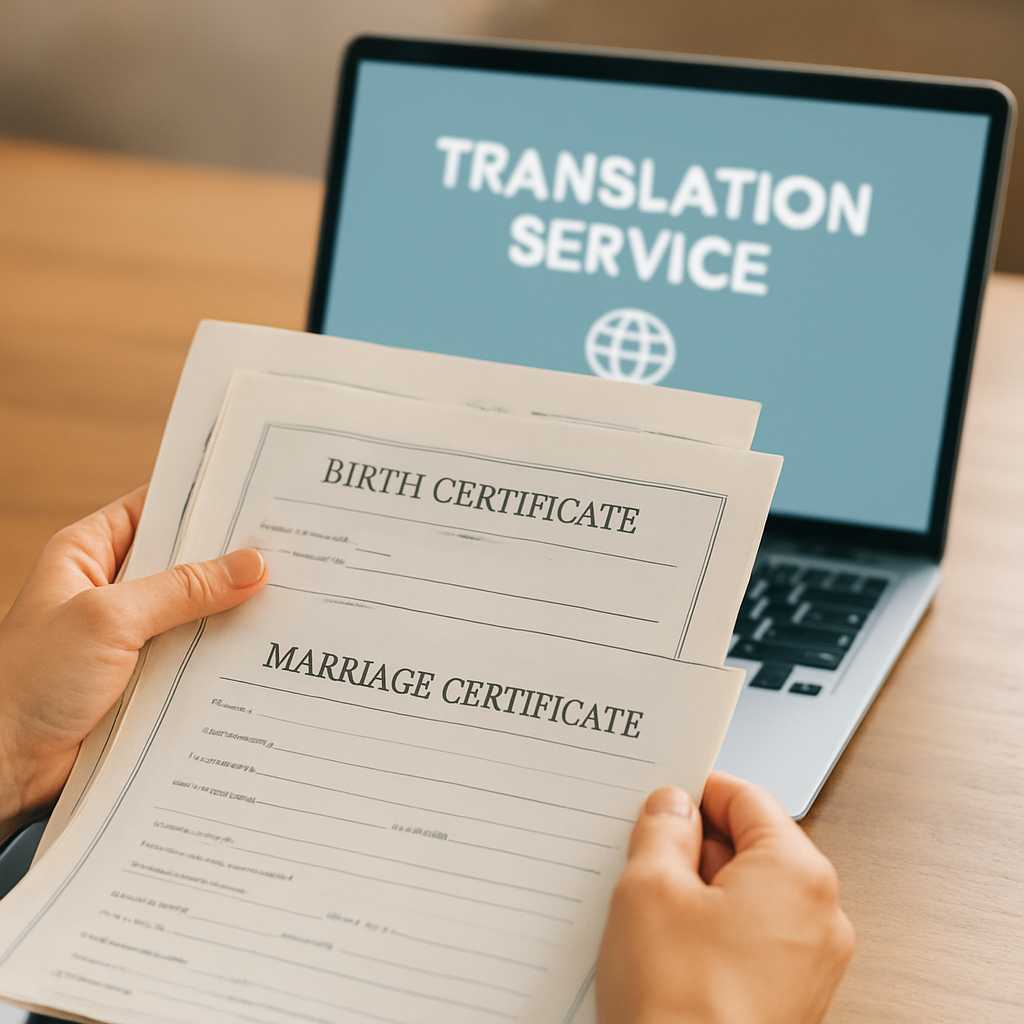
- Birth Certificates: This document is often required to establish identity and age. If your birth certificate is not in English, it must be translated.
- Marriage Certificates: If applicable, this document is necessary to prove marital status. Translations are required for non-English documents.
- Divorce Decrees: For applicants who have been previously married, divorce decrees must be translated to clarify marital history.
- Police Clearance Certificates: These documents may be required to demonstrate good moral character. Translations are necessary if issued in a foreign language.
- Medical Examination Reports: Form I-693, which includes medical examination results, must be submitted in English.
- Employment Records: Documents proving employment history may also need translation if they are not in English.
Certified Translation Requirements
USCIS mandates that all translations submitted with the I-485 application be certified. This means that the translator must provide a signed statement affirming that the translation is complete and accurate. Here are some important points regarding certified translations:
- The translator must be fluent in both the source and target languages.
- The certification should include the translator’s name, signature, and contact information.
- Translations must be clear and legible, with no alterations to the original document’s content.
Submission Tips for I-485
To ensure a smooth submission of your I-485 application, consider the following tips:
- Check USCIS Guidelines: Always refer to the latest USCIS guidelines for any updates regarding document requirements.
- Organize Your Documents: Keep your documents organized and clearly labeled to facilitate the review process.
- Use Professional Translation Services: Consider hiring a professional translation service to ensure accuracy and compliance with USCIS standards. For more information on our academic translation services, visit our website.
FAQs About Document Translation for I-485
1. Do all documents need to be translated for I-485?
Not all documents require translation; only those that are not in English must be translated and certified.
2. What is a certified translation?
A certified translation is a translation accompanied by a signed statement from the translator affirming its accuracy and completeness.
3. Can I translate my own documents for USCIS?
While you can translate your own documents, it is recommended to use a professional service to ensure compliance with USCIS requirements.
4. How long does it take to get documents translated?
The time required for translation varies based on the document’s length and complexity. It is advisable to plan ahead and allow sufficient time before your application deadline.
5. What happens if I submit untranslated documents?
Submitting untranslated documents can lead to delays, requests for evidence (RFEs), or even denial of your application.
Conclusion
Understanding which documents need translation for I-485 is crucial for a successful Adjustment of Status application. By ensuring all necessary documents are accurately translated and certified, you can help facilitate a smoother immigration process. For professional translation services, contact us today to ensure your documents meet USCIS standards.
