
Table of Contents
ToggleUnderstanding the I-131 Application
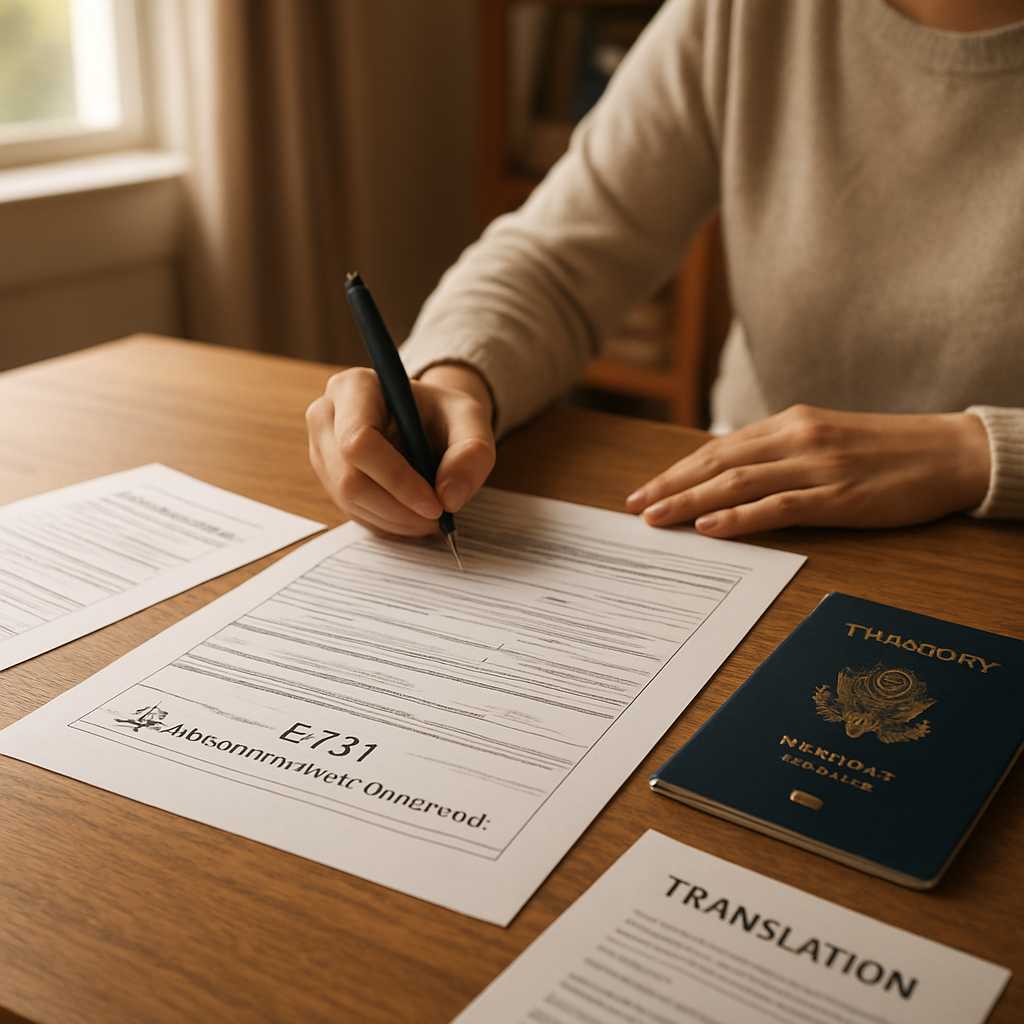
The I-131 form, also known as the Application for Travel Document, is essential for individuals seeking Advance Parole. This document allows individuals to re-enter the United States after traveling abroad while their immigration status is pending. However, to ensure a smooth application process, it is crucial to understand which supporting documents require translation.
Key Supporting Documents for I-131
When applying for an I-131, applicants must submit various supporting documents. The following are typically required:
- Proof of Identity: This may include a passport, national ID card, or other government-issued identification.
- Evidence of Immigration Status: Documents such as Form I-94 (Arrival/Departure Record) or a copy of the pending application for adjustment of status.
- Travel History: Previous travel documents or records that show your travel history.
- Supporting Letters: Letters from family members or legal representatives explaining the need for Advance Parole.
- Medical Records: If applicable, documents that support the need for urgent travel due to medical reasons.
Which Documents Need Translation for I-131?
Any document that is not in English must be translated. Here’s a detailed list of documents that typically require translation:
1. Foreign Language Identification Documents
Passports and national ID cards issued in a foreign language must be translated to ensure USCIS can verify your identity.
2. Immigration Status Evidence
Documents such as Form I-94 or any other immigration-related documents issued in a foreign language need certified translations.
3. Medical Records
Medical documents that support your application for Advance Parole must be translated if they are not in English.
4. Supporting Letters
Any letters written in a foreign language that accompany your application should be translated to provide clarity on your situation.
Certified Translation Requirements
USCIS requires that all translations be certified. This means that the translator must provide a signed statement attesting to the accuracy of the translation and their qualifications. Here are some tips for ensuring your translations meet USCIS standards:
- Use a professional translation service that specializes in immigration documents.
- Ensure the translator is fluent in both the source and target languages.
- Include a certificate of translation with your submission.
Submission Tips for I-131
To avoid delays in processing your I-131 application, consider the following submission tips:
- Double-check that all required documents are included and properly translated.
- Organize your documents in the order specified by USCIS.
- Keep copies of all submitted documents for your records.
Frequently Asked Questions
What documents need translation for I-131?
Any document not in English, including identification, immigration status evidence, medical records, and supporting letters, must be translated.
Do I need a certified translation for my I-131 documents?
Yes, all translations submitted with your I-131 application must be certified to meet USCIS requirements.
How can I ensure my translations are accurate?
Use a professional translation service that specializes in USCIS documents and provides a certificate of translation.
What happens if I submit untranslated documents?
Submitting untranslated documents can lead to delays or denials of your application, as USCIS needs to understand all submitted materials.
Conclusion
Understanding which documents need translation for the I-131 application is crucial for a successful submission. By ensuring that all necessary documents are accurately translated and certified, you can help facilitate a smoother process with USCIS. For professional translation services, consider our academic translation services or authorized translation services.
