
Table of Contents
ToggleUnderstanding Professional License Translation
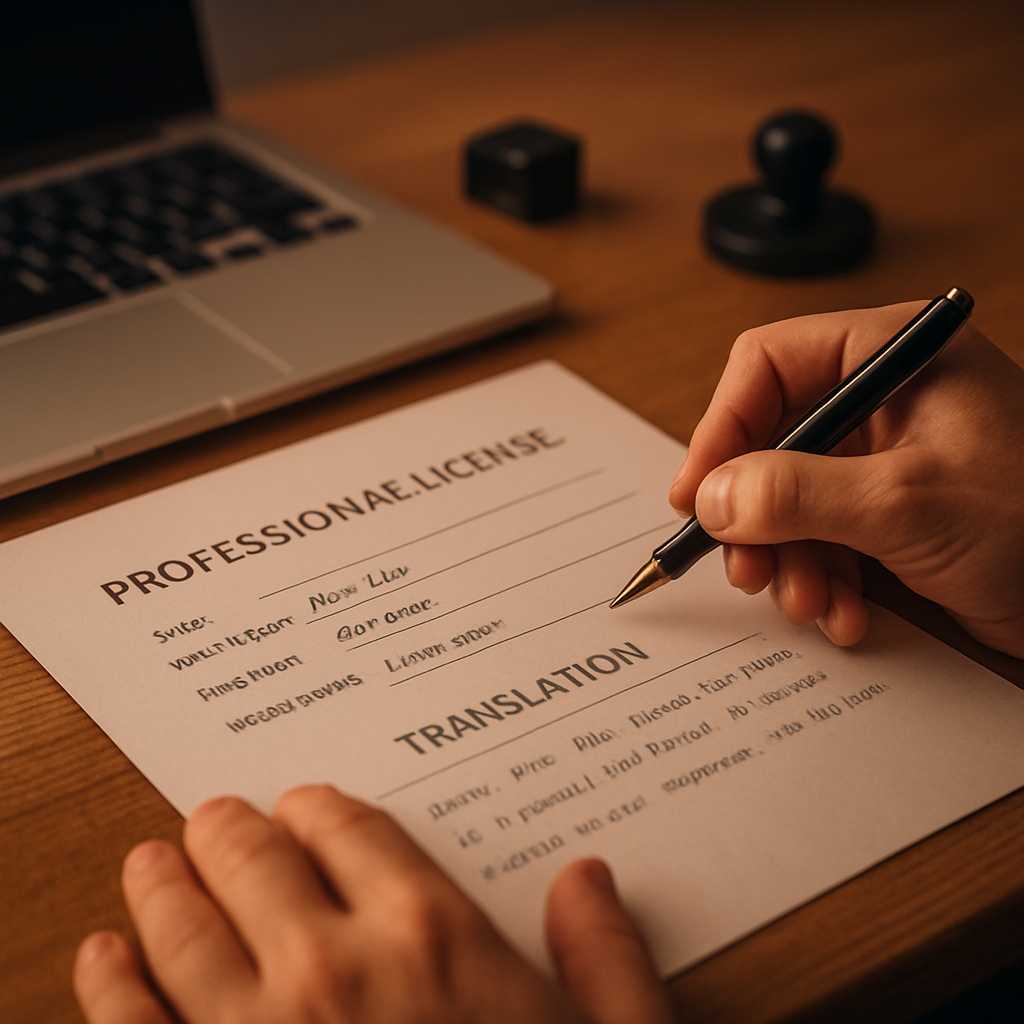
Translating a professional license is a critical step for individuals seeking to practice their profession in a different country. This process ensures that the translated document accurately reflects the original, maintaining its legal validity. In this guide, we will explore how to translate a professional license correctly, focusing on format, seals, and essential notes.
Why Accurate Translation Matters
Accurate translation of a professional license is vital for several reasons:
- Legal Compliance: Many countries require a certified translation of professional licenses for immigration or employment purposes.
- Professional Recognition: Proper translation helps in the recognition of qualifications, allowing professionals to practice legally.
- Avoiding Delays: Inaccurate translations can lead to delays in processing applications or even rejections.
Key Elements of a Professional License Translation
When translating a professional license, several key elements must be considered:
1. Format and Layout
The format of the translated document should closely resemble the original. This includes:
- Document Size: Maintain the same dimensions as the original license.
- Font and Style: Use similar fonts and styles to ensure consistency.
- Sections and Headings: Keep the same structure, including sections and headings, to enhance readability.
2. Seals and Stamps
Many professional licenses include official seals or stamps. It is crucial to:
- Replicate Seals: Ensure that any official seals or stamps are accurately reproduced in the translation.
- Include Certification: A certified translation should include a statement confirming the accuracy of the translation, often accompanied by the translator’s signature and seal.
3. Avoiding Omissions
Omissions can lead to significant issues. To avoid this:
- Thorough Review: Carefully review the original document to ensure all information is included in the translation.
- Use of Glossaries: Create a glossary of terms specific to the profession to maintain consistency and accuracy.
Professional License Translation Example
To illustrate the process, consider a licensed nurse’s professional license. The translation should include:
- The nurse’s name and qualifications.
- The issuing authority’s name and contact information.
- The license number and expiration date.
- Any relevant seals or stamps from the issuing authority.
Conclusion
Translating a professional license correctly is essential for ensuring legal compliance and professional recognition in a new country. By paying attention to format, seals, and avoiding omissions, individuals can facilitate a smoother transition into their professional field abroad. For those needing assistance, consider utilizing professional translation services to ensure accuracy and compliance.
FAQs
What is the importance of translating a professional license?
Translating a professional license is crucial for legal compliance and recognition of qualifications in a new country.
How should I format a translated professional license?
The format should closely resemble the original, maintaining document size, font, style, and structure.
What should I do if my professional license has a seal?
Ensure that any official seals or stamps are accurately replicated in the translation.
Can I translate my own professional license?
It is recommended to use a certified translator to ensure accuracy and compliance with legal requirements.
What are common mistakes in professional license translation?
Common mistakes include omissions, incorrect formatting, and failure to replicate seals accurately.
