
If English is not your first language, attending a U.S. visa interview can feel overwhelming. One of the most common concerns applicants have is whether they can bring a translator—and how to arrange one correctly without risking delays or refusal.
This guide explains exactly how to get a translator for a U.S. visa interview, what the rules are, and how to ensure everything is accepted by the embassy or consulate.
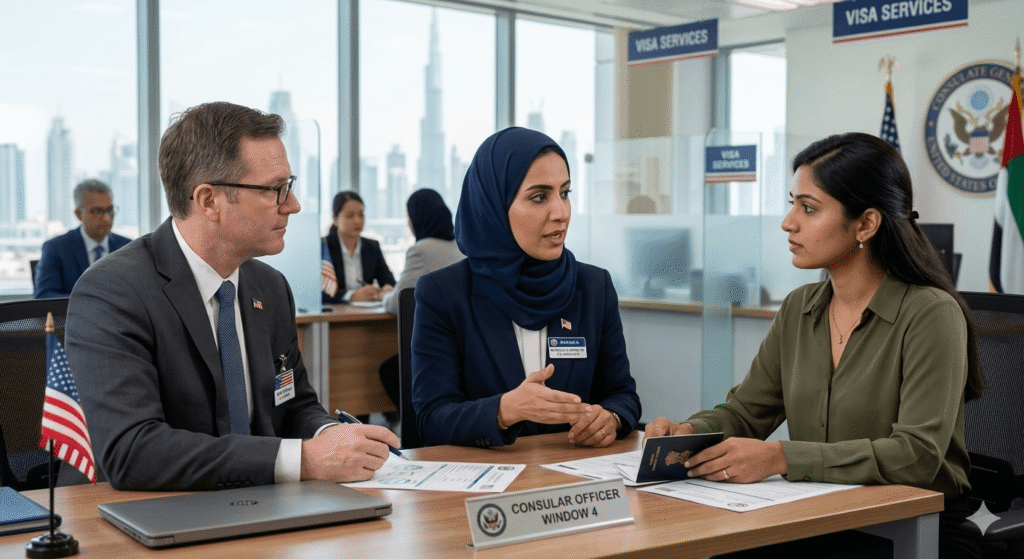
Do You Need a Translator for a U.S. Visa Interview?
Not every applicant needs a translator. However, you should strongly consider one if:
- You are not confident answering questions in English
- Your visa category involves complex explanations (e.g. business, immigration, asylum)
- You are required to explain supporting documents in detail
Even a small misunderstanding during your interview can impact the outcome. A qualified interpreter ensures your answers are clearly understood.
Are Translators Allowed at U.S. Visa Interviews?
This depends on the embassy, visa type, and local policies.
In most cases:
- Short-stay visas (e.g. B1/B2): Translators are usually not allowed unless pre-approved
- Immigrant visas or special cases: Translators may be permitted
- Certain embassies: Provide in-house interpreters for common languages
Important rules:
- Translators must often be neutral third parties (not family or friends)
- You may need to request approval in advance
- The translator must present valid ID
Always check the specific embassy requirements before booking a translator.
Step-by-Step: How to Get a Translator for Your Visa Interview
1. Check Embassy Requirements
Visit the official U.S. embassy or consulate website where your interview will take place.
Look for:
- Language support availability
- Interpreter policies
- Approval procedures
If unclear, contact the embassy directly before proceeding.
2. Decide Between Embassy Interpreter or Private Translator
You typically have two options:
Option A: Embassy-Provided Interpreter
- Often free
- Limited to major languages
- No control over availability or experience
Option B: Professional Private Translator
- Higher accuracy and preparation
- Suitable for complex cases
- Requires approval in some locations
For important visa applications, a professional interpreter is usually the safer choice.
3. Choose a Qualified Translator
Not all translators are suitable for visa interviews.
Look for:
- Experience with immigration or embassy interviews
- Strong understanding of legal and official terminology
- Ability to interpret in real-time (consecutive interpreting)
- Professional conduct and neutrality
Avoid:
- Friends or relatives
- Unverified freelancers
- Anyone without formal experience
4. Confirm Embassy Approval (If Required)
Some embassies require:
- Translator’s full name
- ID or passport copy
- Professional credentials
- Pre-registration before the interview date
Failing to register your interpreter can result in them being refused entry.
5. Prepare Together Before the Interview
A key advantage of hiring a professional translator is preparation.
Share:
- Your application details
- Key documents (translated if needed)
- Possible interview questions
This ensures:
- Consistent terminology
- Faster, clearer responses
- Reduced stress on the day
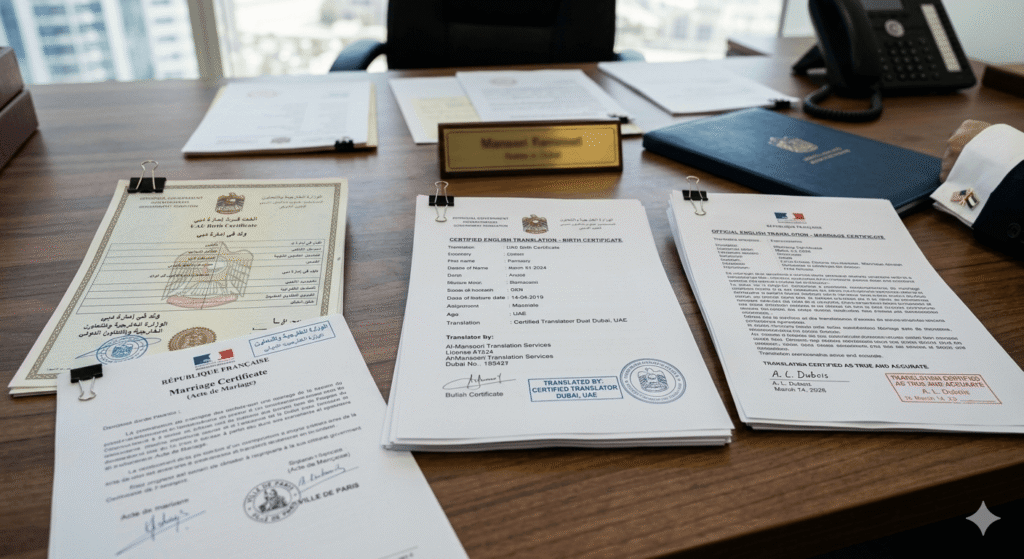
What Happens During the Interview?
The process is straightforward:
- The officer asks questions in English
- The interpreter translates into your language
- You respond
- The interpreter relays your answer back in English
Important tips:
- Speak clearly and in short sentences
- Address the officer directly (not the interpreter)
- Avoid side conversations with your translator
Do You Need Certified Translation of Documents Too?
Yes—this is separate from having a translator.
If your documents are not in English, you must provide:
- Certified translations
- A signed statement confirming accuracy
- Full, word-for-word translation
Common documents include:
- Birth certificates
- Marriage certificates
- Academic records
- Financial statements
A professional translation service ensures your documents meet U.S. immigration requirements and avoids delays.
Common Mistakes to Avoid
Many applicants face issues due to simple mistakes:
- Bringing an unapproved translator
- Using a friend instead of a professional
- Not checking embassy rules
- Submitting uncertified translations
- Failing to prepare interview answers
These can lead to:
- Delays
- Additional appointments
- Visa refusal in serious cases
How Much Does a Translator Cost?
Costs vary depending on:
- Location
- Language pair
- Experience level
- Duration of the interview
Typical ranges:
- Basic interpreter: £50–£150
- Experienced immigration interpreter: £150–£300+
While embassy interpreters may be free, availability is limited.
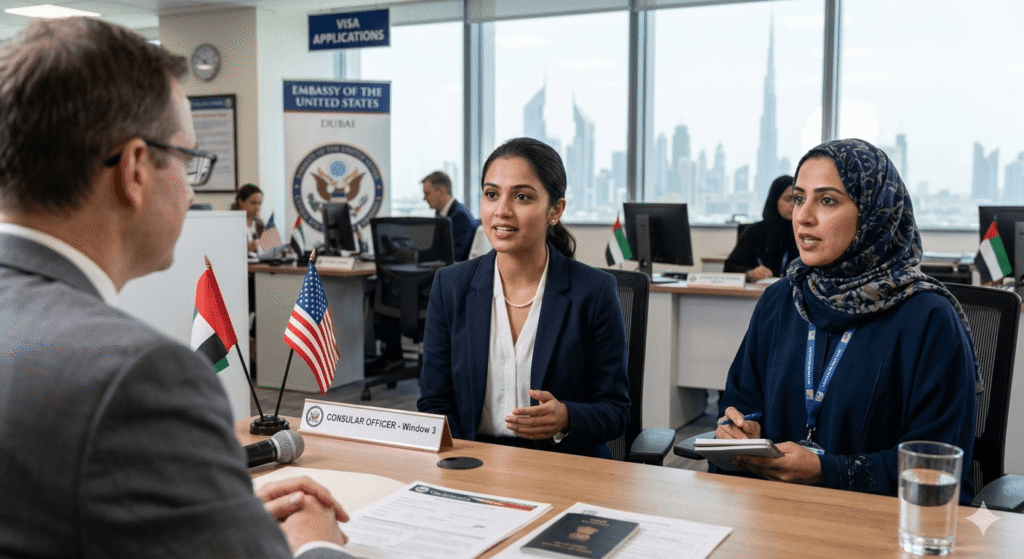
Why Professional Translators Make a Difference
A skilled interpreter does more than translate words—they ensure meaning is preserved.
Key benefits:
- Accurate communication under pressure
- Familiarity with embassy procedures
- Confidence during questioning
- Reduced risk of misunderstandings
For high-stakes applications, this can significantly improve your chances.
Real Example
A client applying for a U.S. spouse visa struggled with English fluency. During preparation, their translator helped refine answers and clarify timelines.
At the interview:
- Answers were delivered clearly
- No confusion over dates or documents
- The application was approved without follow-up questions
Preparation and professional interpretation made the difference.
Ready to Arrange a Translator?
If your visa application matters, don’t leave communication to chance.
Get a professional interpreter and certified translations handled together—accurately, quickly, and in full compliance with U.S. requirements.
Start your translation or interpreter request today and ensure your interview goes smoothly.
Frequently Asked Questions
Can I bring my own translator to a U.S. visa interview?
Yes, but only if the embassy allows it. Some require prior approval and restrict who can act as an interpreter.
Does the U.S. embassy provide translators?
In some locations, yes—but only for certain languages. Availability is limited, so always check in advance.
Can a family member translate for me?
Usually not. Most embassies require a neutral, professional interpreter.
Do I need certified translation for visa documents?
Yes. Any non-English document must be fully translated and certified for acceptance.
What if I don’t understand a question during the interview?
You can request clarification or ask for an interpreter if allowed. It’s better to clarify than guess.
Is a translator required for all visa types?
No. Many applicants attend interviews in English. A translator is recommended only if needed.
