
Attending a US visa interview can feel intimidating, especially if English is not your first language. Many applicants worry about misunderstanding questions, giving incomplete answers, or feeling pressured during the interview. The good news is that in certain situations, you can request a translator for your US visa interview—and doing so correctly can make a real difference to your outcome.
This guide explains exactly how to request a translator for a US visa interview, who is eligible, when translators are allowed, and how to prepare properly so your interview goes smoothly and professionally.
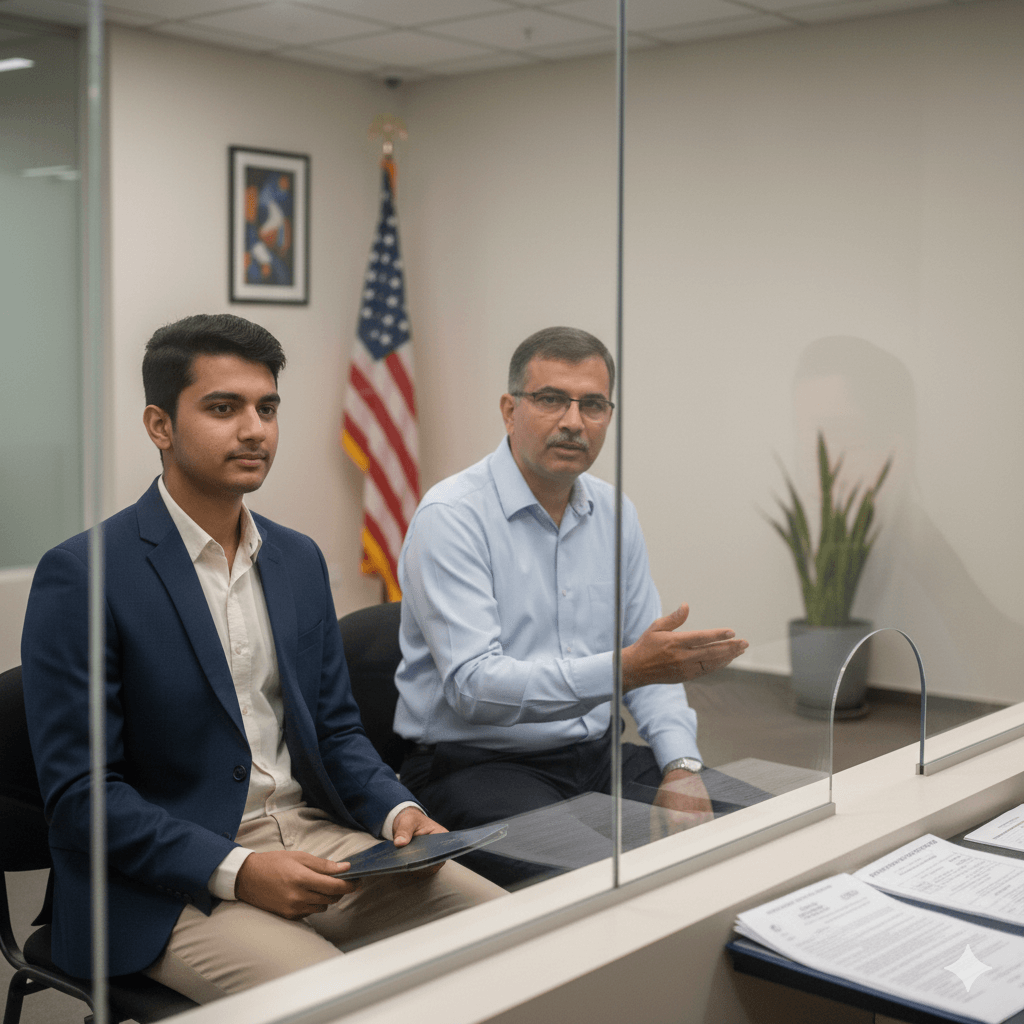
When a Translator Is Allowed for a US Visa Interview
A translator may be permitted during a US visa interview when the applicant cannot communicate effectively in English. US consular officers expect applicants to fully understand questions and respond accurately, and language barriers should not prevent that.
Translators are most commonly allowed for:
- Elderly applicants
- Applicants with limited English proficiency
- Applicants with medical or learning difficulties
- Family-based immigrant visa interviews
- Certain humanitarian or special-circumstance cases
Tourist and business visa applicants are sometimes expected to have basic English ability, but this is not an absolute rule. Each case is assessed individually by the consulate.
Who Can Act as a Translator at a US Visa Interview
Not everyone is permitted to translate during a visa interview. Consulates are strict about neutrality and accuracy.
In most cases, the translator must:
- Be fluent in both English and the applicant’s native language
- Not be the visa petitioner, sponsor, or applicant
- Not answer questions on the applicant’s behalf
- Translate word-for-word without adding explanations
Some embassies require the translator to be a professional translator with proven credentials, especially for immigrant visa categories or sensitive interviews.
How to Request a Translator for a US Visa Interview
Step 1: Check the Embassy or Consulate Rules
Each US embassy or consulate follows the same federal guidelines but may apply them slightly differently. Before your interview, check the official consulate instructions for your interview location to confirm translator policies.
Step 2: Submit the Request in Advance
In many locations, translator requests must be made before the interview date. This is usually done by:
- Emailing the US embassy or consulate
- Including a note in your appointment booking
- Submitting a request through the visa scheduling system
Waiting until the interview day can result in delays or refusal of entry for the translator.
Step 3: Provide Translator Details
When requesting a translator, you may be asked to provide:
- Translator’s full name
- Relationship to the applicant
- Languages spoken
- Proof of professional qualifications (if applicable)
- Copy of passport or ID
Professional translators are often preferred because they understand legal and immigration terminology.
Step 4: Attend the Interview Together
On the interview day, both the applicant and translator must:
- Arrive early
- Pass security checks
- Follow embassy conduct rules
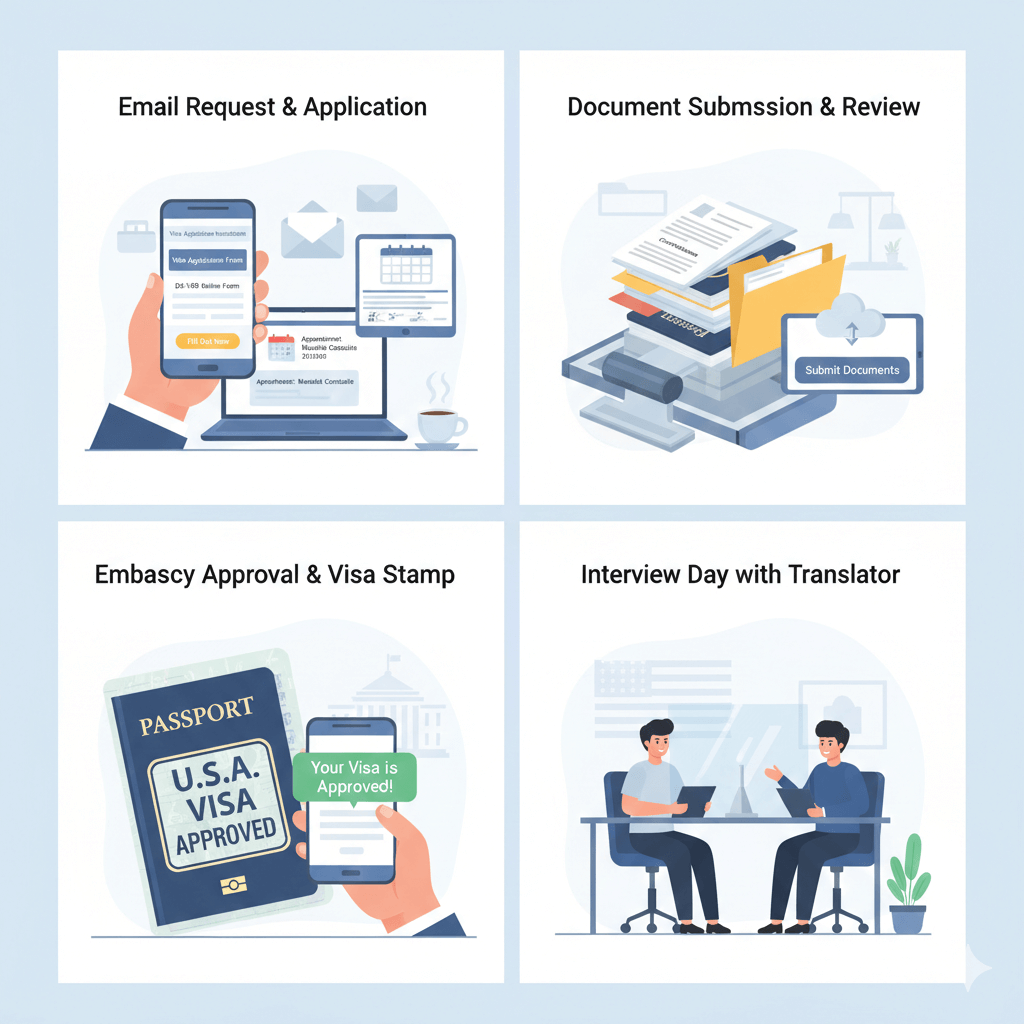
Can the US Embassy Provide a Translator?
In some countries, the US embassy may provide an official interpreter for common local languages. This is not guaranteed and depends on:
- Location
- Language availability
- Visa type
If the embassy does not provide a translator, the applicant is responsible for arranging one.
Common Mistakes to Avoid When Requesting a Translator
Many visa delays happen due to avoidable errors, including:
- Bringing a family member who is not allowed to translate
- Failing to request approval in advance
- Using an unqualified or biased translator
- Assuming the translator can explain or answer questions
A professional translator ensures accuracy, neutrality, and compliance with consular rules.
Does Using a Translator Affect Visa Approval?
Requesting a translator does not negatively affect your visa decision. Consular officers focus on eligibility, documentation, and truthful answers—not language ability.
In fact, using a qualified translator can:
- Prevent misunderstandings
- Reduce interview stress
- Improve clarity of responses
- Protect against misinterpretation
Clear communication helps consular officers make informed decisions.
Preparing for the Interview With a Translator
Before the interview:
- Review your application with the translator
- Practice translating common interview questions
- Ensure names, dates, and details are translated consistently
- Confirm the translator understands confidentiality rules
Preparation increases confidence and avoids confusion on the day.

Professional Translation Support for US Visa Interviews
Many applicants choose professional translators experienced in US visa interviews because they understand:
- Embassy procedures
- Immigration terminology
- Interview pacing and tone
Working with a qualified translator gives peace of mind and ensures your answers are conveyed accurately and professionally.
Applicants who want reliable support often arrange translation services well before their interview date to avoid last-minute stress.
Frequently Asked Questions
Can I bring my spouse as a translator to a US visa interview?
In most cases, no. Spouses, sponsors, or petitioners are usually not permitted to act as translators due to conflict of interest.
Do tourist visa applicants need a translator?
Not always. Some tourist visa applicants are expected to demonstrate basic English, but translators may be allowed depending on circumstances and location.
Can a translator answer questions for me?
No. The translator must translate only. All answers must come directly from the applicant.
Is a professional translator mandatory?
Not always, but many embassies prefer professional translators, especially for immigrant visas or sensitive cases.
What happens if my translator is refused entry?
The interview may be postponed or conducted without translation. This is why advance approval is strongly recommended.
